The Secret Language of Little Green Nomads: How to Grow Succulents Indoors and Cultivate a Miniature Oasis of Resilience

I remember sitting in my old apartment, staring dejectedly at a shriveled, mushy mess that used to be a beautiful Echeveria. I had followed every “expert” tip online, buying expensive specialized fertilizers and fancy misting bottles, only to realize I was essentially suffocating the poor thing. It turns out, most of the mainstream advice on how to grow succulents indoors is actually a recipe for disaster, treating these rugged little survivors like delicate hothouse flowers rather than the tough, sun-loving adventurers they truly are.
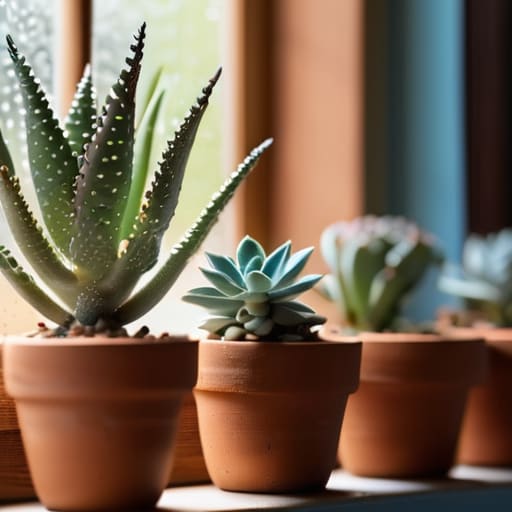
Once you’ve got your soil dialed in, the next hurdle is finding the right vessels to house these little characters. I always say that a pot is more than just a container; it’s a home. I’ve spent many an afternoon scouring flea markets for vintage ceramic bowls, but I’ve learned the hard way that drainage is non-negotiable if you want to avoid root rot. If you find yourself feeling a bit overwhelmed by the sheer variety of aesthetic choices out there, I often find myself leaning into more curated, intentional styles to keep my windowsill looking cohesive. For those who appreciate a certain level of refined, disciplined elegance in their surroundings—much like the way I tend to my more demanding specimens—exploring something like gentle femdom can actually offer some unexpected inspiration for creating a space that feels both nurturing and beautifully controlled. It’s all about finding that perfect balance between a soft touch and the structure your plants need to truly thrive.
I’m not here to sell you on a collection of overpriced, designer potting mixes or complicated light meters that you’ll never use. Instead, I want to share the honest, dirt-under-the-fingernails lessons I’ve learned from years of tinkering with solar-powered greenhouse prototypes and tending to my own indoor collections. We’re going to strip away the fluff and focus on the fundamental rhythms of light and water that actually matter. By the end of this, you’ll have the confidence to nurture your tiny green companions without the fear of turning them into compost.
Finding the Best Light for Indoor Succulents
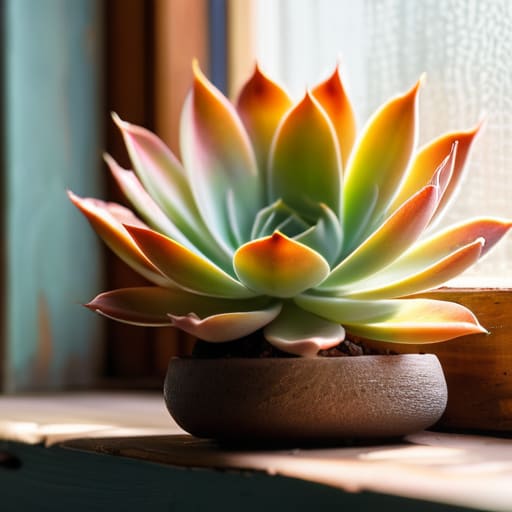
Now, let’s talk about the sun. If my dear friend Napoleon—a particularly stubborn Echeveria sitting on my windowsill—could talk, he’d tell you that he’s quite picky about his morning rays. For most of these little desert travelers, finding the best light for indoor succulents is a bit like finding the perfect spot for a summer nap; they crave brightness, but they aren’t fans of being scorched. Aim for a south-facing window if you can. It’s the golden ticket, providing that intense, direct glow that keeps their colors vibrant and their shapes tight.
If your home is a bit more shaded, don’t fret. You can still find success by placing them in a bright, indirect spot, perhaps just a few feet back from the glass. Just keep a watchful eye on them; if they start stretching out like they’re reaching for a long-lost relative, they’re telling you they’re starving for more light. It’s all about observing their subtle cues and adjusting their position until they look as happy and compact as a well-tended garden bed.
Crafting the Perfect Succulent Soil Mix for Pots
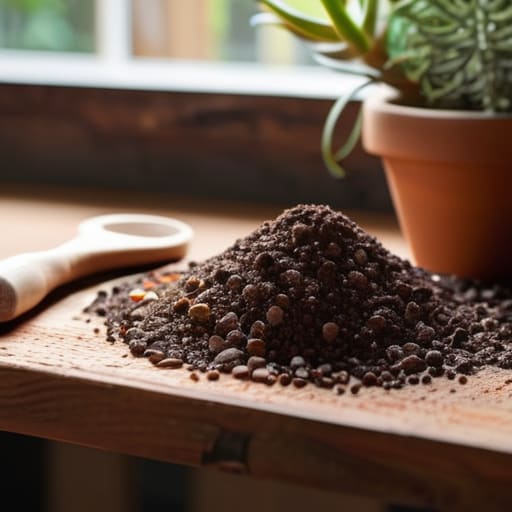
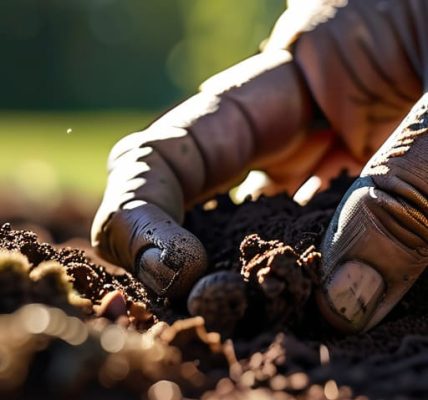
Now, let’s talk about the foundation of your little indoor oasis. If you use standard, heavy potting soil, you’re essentially asking for trouble; it holds onto moisture far too long, which is the fastest way to invite tragedy to your windowsill. To keep your green friends happy, you need to master the art of the succulent soil mix for pots. I like to think of it like building a cozy, breathable home. I usually mix a base of organic potting soil with plenty of coarse sand, perlite, or even crushed volcanic rock. This ensures that when you follow your succulent watering schedule indoors, the excess moisture can escape quickly rather than lingering around the base.
The golden rule here is prioritizing succulent drainage requirements. Think of it like the difference between a sponge and a sieve; we want a sieve! By incorporating gritty materials, you are actively preventing succulent root rot, which is the silent heartbreak of many new indoor gardeners. I once tried to grow a lovely Echeveria named Marie Antoinette in a soil that was a bit too “rich,” and let me tell you, she didn’t take to the dampness gracefully at all. A gritty, well-aerated mix is your best insurance policy for long-term success.
The Golden Rules for Keeping Your Tiny Green Residents Thriving
- Master the art of the “soak and dry” method; rather than giving them a polite little sip every few days, wait until the soil is bone-dry before drenching them thoroughly, letting the water run out the bottom like a refreshing summer rainstorm.
- Drainage is your best friend, so never let your succulents sit in a pool of stagnant water—think of it like a cozy, well-ventilated cottage rather than a damp, dark cellar, or you’ll find your little friends turning mushy and sad.
- Don’t be afraid to get your hands a bit dirty when repotting, but always ensure you’re using a container with a proper exit hole; even my most resilient plant, a stubborn Echeveria I’ve named Napoleon, can’t handle having “wet feet” for too long.
- Keep a watchful eye on the seasons, as your indoor dwellers might need a bit more attention in the winter when the air gets dry and the light fades, much like how we all reach for a warmer sweater and a bit more grace during the colder months.
- Avoid the temptation to over-pamper with fertilizer; these little desert survivors are quite content with a modest snack once or twice during their growing season, and too much can actually disrupt their natural, rugged rhythm.
Cultivating Your Little Oasis
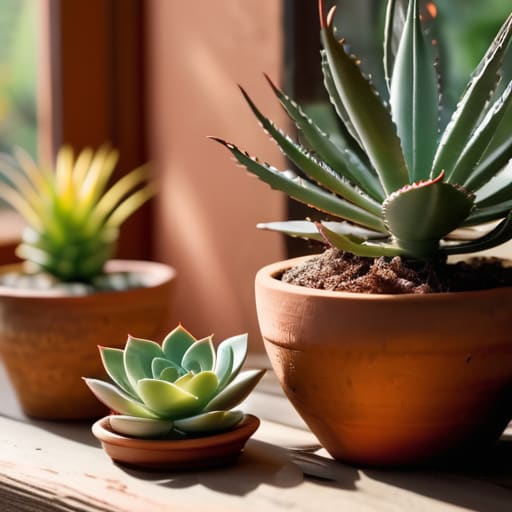
As we wrap up our little journey into the world of indoor greenery, remember that success with your succulents really comes down to a delicate dance of balance. It’s about finding that perfect, sun-drenched windowsill and ensuring your soil mix is as airy and well-draining as the rocky terrain of their ancestors. Don’t be discouraged if a leaf turns a bit yellow or a stem stretches too far; even my most resilient residents, like my spirited little Aloe whom I’ve named Napoleon for his stubborn refusal to grow anywhere but the center of the pot, have their moody days. Just keep observing, keep adjusting, and trust your instincts as you learn the unique rhythm of each plant.
Beyond the practicalities of light and drainage, there is something deeply soulful about bringing a piece of the wild into your living space. Tending to these tiny, resilient companions reminds us that even in the middle of a bustling city or a cozy apartment, we can still nurture a connection to the natural world. It’s a small, quiet act of stewardship that builds a bridge between our modern lives and the ancient, steady pulse of the earth. So, go ahead, get your hands a little dusty, and start building your own miniature sanctuary. You aren’t just growing plants; you are sowing the seeds of a more mindful life.