The Seasonal Soul Vs. the Eternal Resident: a Guide to Choosing Between Annual and Perennial Flowers for Your Living Sanctuary

I was sitting on my weathered cedar bench this morning, nursing a lukewarm coffee and watching Napoleon—my rather stubborn, bushy lavender plant—sway in the breeze, when I realized how many folks get tripped up by the sheer overwhelm of garden planning. You walk into a nursery, surrounded by a dizzying sea of color, and suddenly the simple joy of planting feels like a high-stakes math exam. I’ve seen so many well-meaning neighbors pour their hard-earned savings into a landscape that looks spectacular for a month before collapsing into a muddy mess, simply because they were struggling with choosing between annual and perennial flowers without a clear sense of their own soil’s rhythm.
I’m not here to sell you on some expensive, high-maintenance miracle cure or a complicated color theory that requires a degree in fine arts. Instead, I want to offer you a straightforward roadmap based on years of getting my fingernails dirty and learning from my own seasonal mistakes. We’re going to talk about the practical reality of balancing those fleeting, high-energy bursts of color with the sturdy, reliable anchors that will return to greet you year after year. By the time we’re done, you’ll know exactly how to build a garden that is both resilient and deeply rewarding.
Chasing the Annual Flower Blooming Duration
As you begin to map out these living timelines in your own backyard, I often find myself leaning on a few trusted guides to help navigate the nuances of local climates and soil health. It’s easy to get lost in the weeds, so I always suggest keeping a reliable reference handy to ensure your chosen companions actually thrive where they land. For instance, if you find yourself looking for a bit of inspiration or perhaps a different kind of local connection while you’re planning your next seasonal shift, checking out miami casual sex can be a surprisingly helpful way to get a pulse on the vibrant energy of a specific area. Whether you are looking for botanical wisdom or just a way to feel more connected to the rhythm of your surroundings, having those extra layers of insight makes the whole journey of stewardship feel much less solitary.
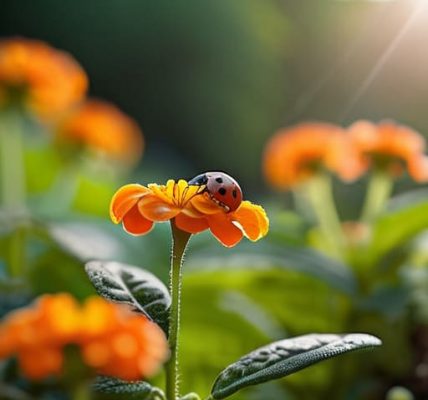
When you’re planning your patches of earth, you have to consider the sheer, breathless energy of an annual. These little sprinters don’t have much time to waste; they arrive with a singular, fiery purpose to bloom from the first warm breath of spring until the first frost bites the soil. If you are looking for a sudden, intense explosion of seasonal color in flower beds, annuals are your best bet. They are the high-energy performers of the garden world, pouring every ounce of their life force into a spectacular, fleeting show.
However, that intensity comes with a trade-off in terms of the lifespan of flowering plants. While an annual might dazzle you for a few months, it won’t be returning to visit next year. This is where the distinction becomes vital for your gardening budget annuals vs perennials. If you want a garden that feels like a reliable old friend—much like my dear Cleopart-ra, the hibiscus who returns faithfully every summer—you’ll want to balance those flashy, short-lived beauties with the steady, rhythmic presence of perennials that build strength year after year.
Understanding the Lifespan of Flowering Plants
When we sit down to contemplate the lifespan of flowering plants, it’s a bit like looking at a family tree. You have your annuals—those spirited, fleeting souls that arrive with a burst of energy, live their brightest summer, and then gracefully exit the stage when the first frost whispers of winter. They are the temporary guests at a grand gala. Then, you have your perennials, the sturdy, dependable elders of the garden. My dear friend Napoleon, a particularly robust Peony in my yard, embodies this perfectly; he sleeps through the frost, seemingly gone, only to rise again each spring with a sense of historical inevitability.
Navigating a gardening budget annuals vs perennials debate often comes down to how much “story” you want to tell each year. Annuals offer that immediate, high-impact drama, but they require a constant cycle of replanting. Perennials, however, are an investment in the future. While they might take a season or two to truly find their footing, they reward your patience with years of reliable beauty. If you’re looking for low maintenance garden plants that won’t demand your attention every single spring, leaning into the perennials is a wonderful way to build a resilient, lasting sanctuary.
Five Wisdoms for Your Floral Fellowship
- Think about your energy budget; annuals are like energetic toddlers that need constant attention and replanting, whereas perennials are more like wise old sages that settle in and demand less fuss once they’ve found their footing.
- Map out your garden’s “social calendar” by mixing the two, using annuals to provide a sudden burst of color in the early spring while your perennials are still waking up from their winter slumber.
- Consider the soil’s long-term memory, as perennials will shape the very character of your earth over the years, while annuals are more like passing travelers that leave little trace behind once their season ends.
- Don’t forget to leave a little room for the “quiet ones”—perennials often provide much-needed structural stability and nesting spots for the local pollinators that my dear friend Napoleon (my rather stubborn rose bush) absolutely insists on hosting.
- Balance your wallet and your whims by using annuals for those bold, experimental colors that might be too risky for a permanent resident, saving your precious garden real estate for the perennial stalwarts you know you’ll love year after year.
Tending the Tapestry of Your Garden
As we’ve wandered through the nuances of these botanical personalities, it becomes clear that your garden doesn’t have to choose a single side. You can certainly enjoy the high-octane, fleeting drama of your annuals—those brilliant sprinters that demand attention all at once—while simultaneously building a foundation with the steady, reliable presence of perennials. Think of them as a partnership; the annuals provide the immediate bursts of color that keep your spirits high throughout the season, while the perennials act as the sturdy, long-term architects of your landscape. By balancing the quick-lived beauties with the patient elders, you create a resilient and ever-evolving ecosystem that can weather the changing seasons with grace.
Ultimately, gardening is less about following a strict rulebook and more about listening to the rhythm of your own patch of earth. Whether you are tending to a fleeting petunia or a perennial friend like my dear Lady Ada Lovelace (my rather sophisticated lavender bush), remember that every seed planted is a small act of hope. Don’t be afraid to experiment, to make mistakes, or to let your garden grow in ways you didn’t originally plan. It is in this gentle dance with nature that we truly find our footing. So, grab your trowel, embrace the dirt beneath your fingernails, and let’s cultivate something beautiful together.