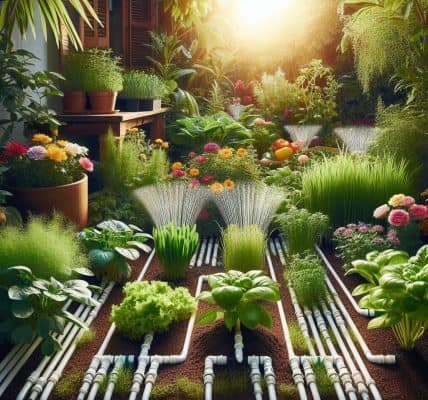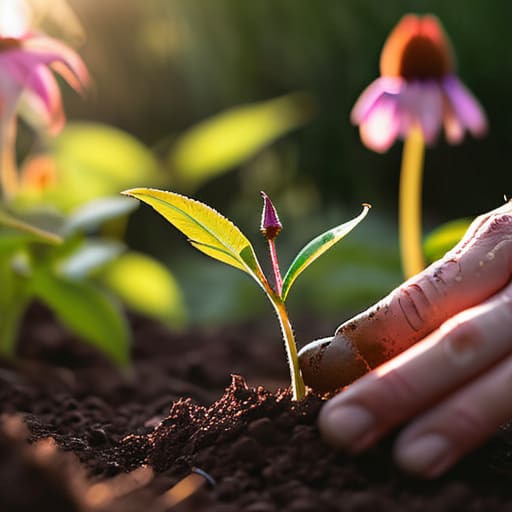
Don’t Let Your Garden’s Illustrious Residents Perish: Avoiding the Common Mistakes When Planting Perennials

I still remember the heavy, humid scent of damp earth clinging to my overalls back when I first started out on my family’s farm. I was so eager to prove myself that I treated my garden like a battlefield rather than a sanctuary, rushing through the planting process with a misplaced sense of urgency. I thought more fertilizer meant more life, but all I really did was overwhelm my young plants. I fell headfirst into the most common mistakes when planting perennials, thinking I was being a master gardener when I was actually just suffocating the very life I was trying to nurture. It took a few heartbreaking, withered seasons to realize that nature doesn’t respond to force; it responds to rhythm and respect.
I’m not here to sell you on expensive, fancy gadgets or complicated chemical regimens that promise the moon. Instead, I want to share the hard-won lessons I’ve gathered from years of getting my hands dirty and studying the science behind the soil. We’re going to walk through the pitfalls together, focusing on practical, sustainable wisdom that actually works in a real-world garden. My promise to you is simple: no fluff, no hype, just honest, experience-based guidance to help your perennial neighbors thrive for years to come.
Ignoring Soil Preparation for Perennial Gardens
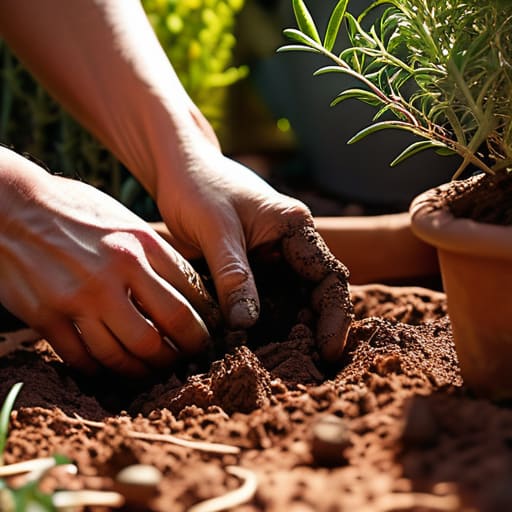
I often think of my soil as the foundation of a grand old library; if the floorboards are rotting, it hardly matters how beautiful the books are. I once met a young lady named Napoleon—a particularly stubborn rosemary bush—who nearly met a tragic end because I rushed her into the ground without checking the drainage. I had skipped the vital step of soil preparation for perennial gardens, thinking I could just wing it. Big mistake. When you treat the earth like an afterthought, you’re essentially asking your new botanical companions to build a home on quicksand.
If your soil is compacted or lacks the organic matter needed to breathe, you’re setting the stage for a heartbreak. Without proper aeration and nutrients, you’ll find yourself constantly battling stunted growth or, even worse, the dreaded preventing root rot in perennials becomes an impossible uphill climb. You want to create a rich, loamy sanctuary where roots can wander freely. Think of it as setting the table for a long, wonderful feast; if the foundation isn’t nourishing, the guests simply won’t stay.
The Hidden Dangers of Improper Planting Depth for Perennials
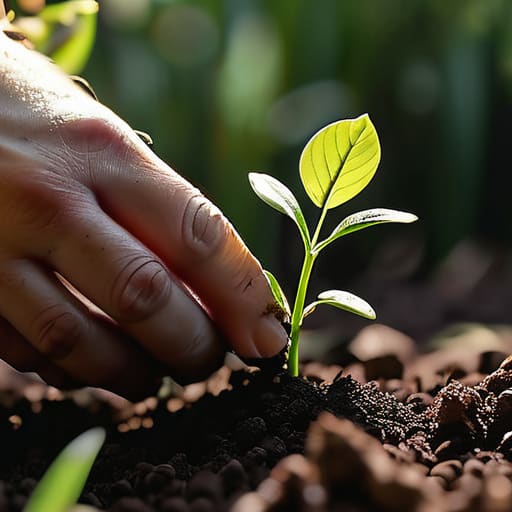
Now, let’s talk about something that breaks my heart more than a frost hitting my late-season tomatoes: the tragedy of the “buried treasure.” When you’re tucking your new green companions into their forever homes, it’s tempting to just shove them in and call it a day. But listen closely—finding the proper planting depth for perennials is the difference between a flourishing garden and a silent graveyard. If you bury the crown too deep, you’re essentially asking for trouble, often leading to the dreaded preventing root rot in perennials becomes an impossible battle once the stem starts to mush.
I remember when I first planted my lavender, whom I’ve named Winston Churchill—a stout little fellow with a very commanding scent. I was so eager to get him in the ground that I packed the soil right up against his base, nearly suffocating his spirit. He struggled for months because his “neck” couldn’t breathe! Always ensure the soil level matches where it was in the nursery pot. Think of it as a cozy blanket, not a heavy quilt; you want them snug, but they still need to catch their breath above the surface.
Five Ways to Keep Your Perennial Pals From Fading Away
- Don’t treat them like wallflowers; perennials crave a bit of social time with their neighbors. If you crowd them too tightly, they’ll end up fighting for sunlight and nutrients, leaving everyone feeling a bit withered and neglected. Give them room to breathe and stretch!
- Watch out for the “thirst trap” of overwatering. It’s tempting to drench them when you’re feeling extra nurturing, but soggy feet are the quickest way to invite root rot. I once nearly lost my beloved Napoleon—my prize-winning Peony—because I thought he needed a daily soak, when really he just wanted a steady, mindful drink.
- Mind the seasonal schedule. Planting a sun-loving variety in the middle of a shady nook is a recipe for heartbreak. It’s like trying to host a desert festival in a rainforest; the environment just won’t match the guest list. Always double-check their sunlight requirements before you commit to the marriage.
- Neglect the mulch, and you’re inviting the uninvited. Without a nice, cozy layer of organic mulch, your little residents will struggle against weeds and moisture loss. Think of mulch as a warm, protective blanket that keeps the soil temperature steady and the moisture tucked in tight.
- Avoid the “set it and forget it” trap. Just because they are perennials doesn’t mean they are invincible. They need a little check-up every now and then to ensure no pests are moving in or that the soil hasn’t become too compacted. A little bit of watchful love goes a long way in building a resilient garden.
Tending to Your Living Legacy
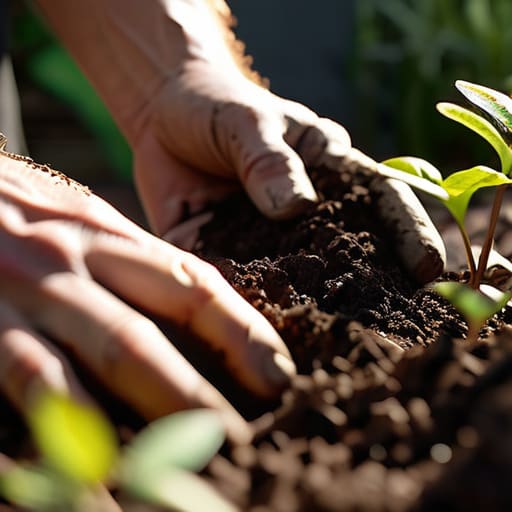
As we wrap up our little chat about these perennial pitfalls, just remember that a garden is more than just a collection of plants; it’s a living, breathing relationship. We’ve talked about how neglecting the soil is like trying to host a dinner party without any food on the table, and how burying your new arrivals too deep can stifle their very spirit. Whether you’re working with a sprawling backyard or a few modest containers, avoiding these stumbles means you’re giving your greenery the foundation they truly deserve. Take a moment to check those depths and hug your soil with plenty of organic matter; your future blooms will certainly thank you for it.
At the end of the day, don’t let a few early hiccups discourage you from the beautiful dance of homesteading. Even my dear friend Napoleon—my particularly stubborn rosemary bush—had a bit of a rough start before he finally took root and claimed his throne. Gardening is a journey of trial, error, and patient observation, and every mistake is just another lesson whispered by the wind. So, grab your trowel, get a little dirt under your fingernails, and keep sowing those seeds of resilience. We aren’t just growing plants here; we are cultivating a more thoughtful way of being in this wonderful, wild world.
Once you’ve wrestled with the soil and found that perfect depth, you might find yourself staring at a sea of empty patches, wondering which colorful souls will actually thrive in your specific microclimate. It’s a bit like trying to pick a new roommate; you want someone who matches your lifestyle and won’t cause a scene when the summer heat kicks in! I’ve found that having a reliable guide for selecting the right varieties makes all the difference in avoiding a heartbreak later on. I often find myself browsing through the collections at https://flingcanada.com to see what’s blooming and ready for a new home, as it’s a wonderful way to scout for hardy options that can truly settle into your landscape. Taking that extra moment to research your plant’s needs before they arrive in your garden is truly the best way to ensure your new botanical neighbors feel right at home from day one.