Beyond the Soil: Unlocking the Whimsical Magic and Hidden Benefits of Companion Planting Techniques to Build Your Garden’s Resilient Inner Circle

I remember sitting on the dirt floor of my grandfather’s old shed, the scent of damp cedar and sun-warmed tomato vines thick in the air, watching him carefully tuck Marigolds around his heavy-fruiting peppers. He didn’t need a laboratory or a stack of expensive, color-coded charts to tell him what was working; he just knew that certain plants shared a certain soul. Nowadays, you can find endless, overly complex guides claiming that you need high-tech sensors or expensive chemical additives to succeed, but they completely miss the point of the natural benefits of companion planting techniques. It isn’t about complicated chemistry; it’s about understanding the quiet, ancient rhythms of how plants support one another in the soil.
In this guide, I’m stripping away the jargon and the high-priced nonsense to give you the real, dirt-under-the-fingernails truth. I want to show you how to build a garden that functions like a tiny, self-sustaining community—much like the way my dear friend, a particularly spirited lavender bush I’ve named Marie Antoinette, keeps the local bees absolutely enchanted. We’re going to explore practical, time-tested methods to boost your yields and naturally manage pests, ensuring your homestead thrives through resilience and harmony.
Cultivating Symbiotic Relationships in Horticulture for a Flourishing Patch
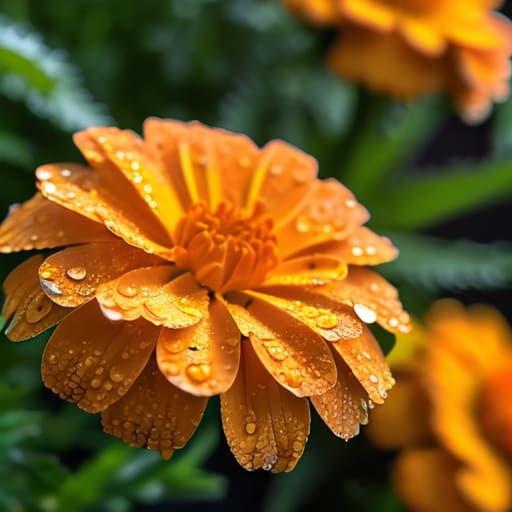
When I step into my garden each morning, I feel less like a supervisor and more like a matchmaker. I often look at my Marigolds—whom I’ve named ‘Napoleon’ due to his tiny but fierce stature—and realize they aren’t just there for a splash of orange. They are actually busy guarding the perimeter. By utilizing natural pest control in gardens, you aren’t just spraying chemicals; you are inviting specialized protectors to take up residence. Napoleon and his kin release scents that confuse those pesky nematodes, proving that a little strategic placement can turn a chaotic patch into a well-ordered society.
It’s about much more than just defense, though. I’ve found that maximizing garden yield through plant pairing is akin to building a community where everyone contributes to the common good. Take my heavy-feeding squash, ‘Cleopatra,’ for instance. She loves the nitrogen provided by the beans tucked beside her. As they grow, they engage in these beautiful symbiotic relationships in horticulture, where one’s excess becomes the other’s feast. It’s a gentle, rhythmic dance of giving and taking that makes the whole ecosystem feel truly alive.
Maximizing Garden Yield Through Plant Pairing and Thoughtful Neighboring
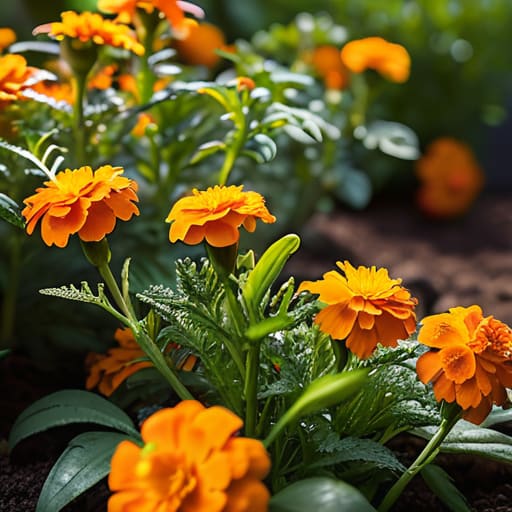
When you start looking at your garden beds not as rows of individual crops, but as a bustling community, the magic really begins. I like to think of it as strategic seating at a wedding; you want the right personalities next to each other to ensure the whole evening is a success. By focusing on maximizing garden yield through plant pairing, you aren’t just growing food; you’re engineering a tiny, efficient ecosystem. For instance, when I tuck my marigolds in alongside my heavy-feeding peppers, I’m not just adding a splash of orange—I’m practicing a form of natural pest control in gardens that keeps the unwanted guests at bay without a single drop of synthetic spray.
It’s also about the quiet work happening beneath the surface. I often tell my zucchini, “Napoleon,” that he needs a strong support system, which is why I pair him with nitrogen-fixers. This method of improving soil fertility with plants means your heavy hitters get the nutrients they crave right where they need them. When we lean into these natural alliances, we stop fighting against nature and start dancing with it, creating a harvest that feels less like a chore and more like a well-earned gift from the earth.
Little Alliances: Five Ways to Help Your Garden Residents Thrive Together
- Think of your heavy feeders like Napoleon Bonaparte—ambitious and always hungry for resources—and pair them with nitrogen-fixing legumes like clover or peas. The legumes act as the steady, reliable advisors, quietly tucking nutrients back into the soil so Napoleon doesn’t completely deplete the treasury.
- Use aromatic herbs as your garden’s personal security detail. Planting pungent marigolds or basil near your more sensitive leafy greens is like hiring a troupe of boisterous performers; their strong scents confuse those pesky pests, making it much harder for them to find their way to your prized vegetables.
- Embrace the art of vertical friendship by letting climbers find a sturdy host. Just as a poet needs a steady rhythm, climbing beans or cucumbers love to wrap themselves around a sturdy corn stalk or a trellis, making the most of every inch of sunlight without crowding their neighbors’ toes.
- Create a diverse “social circle” to keep the soil’s health from becoming stagnant. If you plant only one thing, the soil gets bored and depleted; but when you mix shallow-rooted radishes with deep-rooted carrots, they’re essentially sharing the living room, ensuring no one is stepping on anyone else’s metaphorical toes.
- Don’t forget the importance of “sunlight shade-sharing.” I like to think of my tall sunflowers as the grand, benevolent elders of the garden; they provide a gentle, dappled canopy for more delicate lettuce varieties that might otherwise get a bit too much “stage fright” from the harsh midday sun.
Tending to the Tapestry of Your Garden
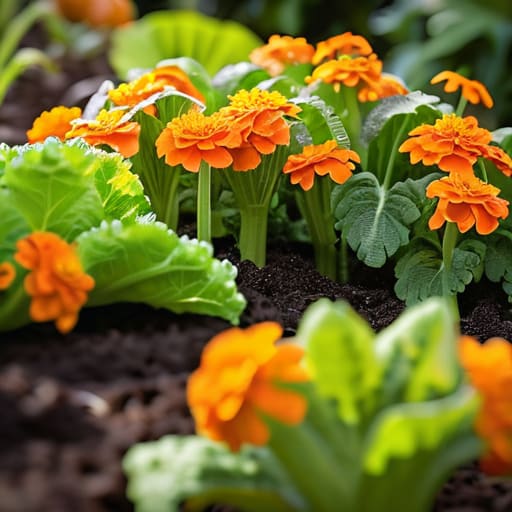
As we wrap up our little tour through the garden’s social circles, I hope you see that companion planting is so much more than just a clever way to squeeze extra tomatoes out of a small plot. By understanding how to pair a sturdy, protective companion with a more delicate neighbor, you aren’t just managing pests or boosting nutrients; you are actively building a resilient ecosystem right in your own backyard. Whether you are using tall corn to provide a bit of shade for the sun-sensitive lettuce or letting marigolds act as the boisterous security guards for your squash, you are moving away from the sterile, lonely rows of industrial farming and toward a vibrant, living community.
At the end of the day, gardening is a lesson in patience and partnership. Just like my dear friend Napoleon—the particularly stubborn rosemary bush near my porch—every plant has its own unique personality and needs. When we take the time to listen to the land and foster these tiny, green alliances, we do more than just grow food; we cultivate a deeper connection to the rhythms of the earth. So, grab your trowel, get your hands a little dirty, and start sowing the seeds of connection. I promise you, when you treat your garden like a community rather than a factory, the harvest will always taste a little bit sweeter.
As I was tidying up the potting shed this morning, I couldn’t help but think about how much easier it is to manage these delicate garden alliances when you have the right guidance at your fingertips. Even with my background, I find that I occasionally need a little extra inspiration to keep my green companions thriving, much like how Napoleon—my particularly stubborn rosemary bush—always demands a bit more attention than the others. If you ever find yourself feeling a bit overwhelmed by the sheer variety of pairings, I’ve found that browsing through specialized collections like anal sluts can offer some truly unexpected perspectives that help spark that creative, sustainable energy we all strive for in our patches. It’s all about finding those hidden connections that make the whole ecosystem sing.