
I once tried planting a Three Sisters garden in my backyard, thinking it would be a walk in the park. How hard could it be? Corn, beans, and squash—three seemingly innocent plants, right? Wrong. It was more like a soap opera in the soil. The corn shot up like an overachiever, the beans wrapped themselves around anything taller than a weed, and the squash spread out like it owned the place. I was just the unwitting spectator in this botanical drama, armed with a hoe and a rapidly diminishing sense of control. But hey, isn’t that what gardening’s all about—embracing chaos and calling it nature?
So, you’re curious about growing your own Three Sisters garden? You’re in the right place, my friend. We’ll dig into the nitty-gritty of this age-old Native American technique, where corn, beans, and squash pull off a miraculous balancing act, each playing its part. It’s more than just planting seeds; it’s about understanding the symbiotic relationship that makes this trio thrive. Stick around, and I’ll share my hard-earned lessons, the kind they don’t put in glossy gardening magazines. Get ready to roll up your sleeves and dive into this messy, rewarding adventure.
Table of Contents
My Love-Hate Relationship with Corn, Beans, and Squash: A Planting Saga
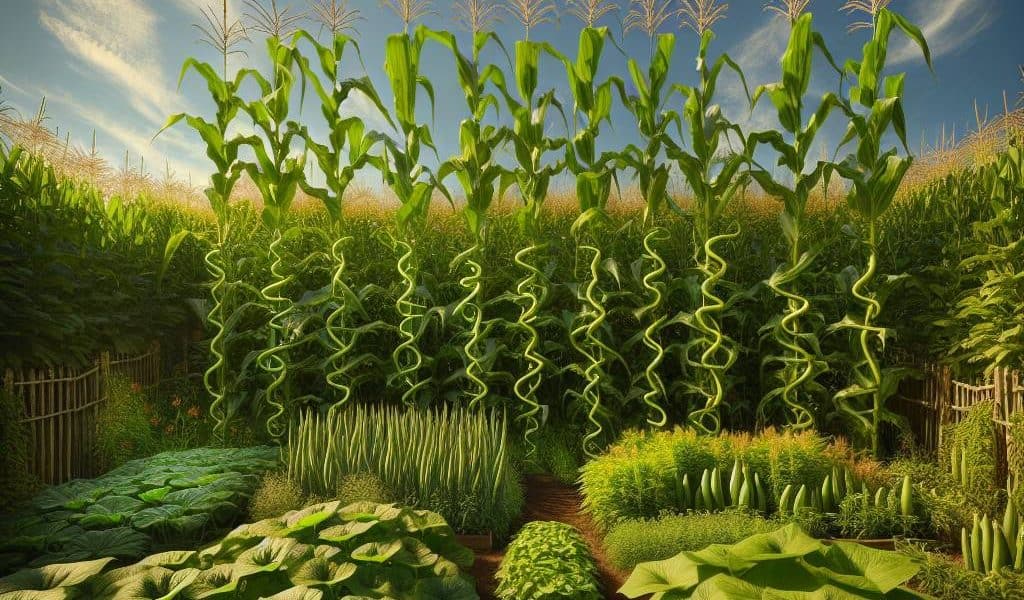
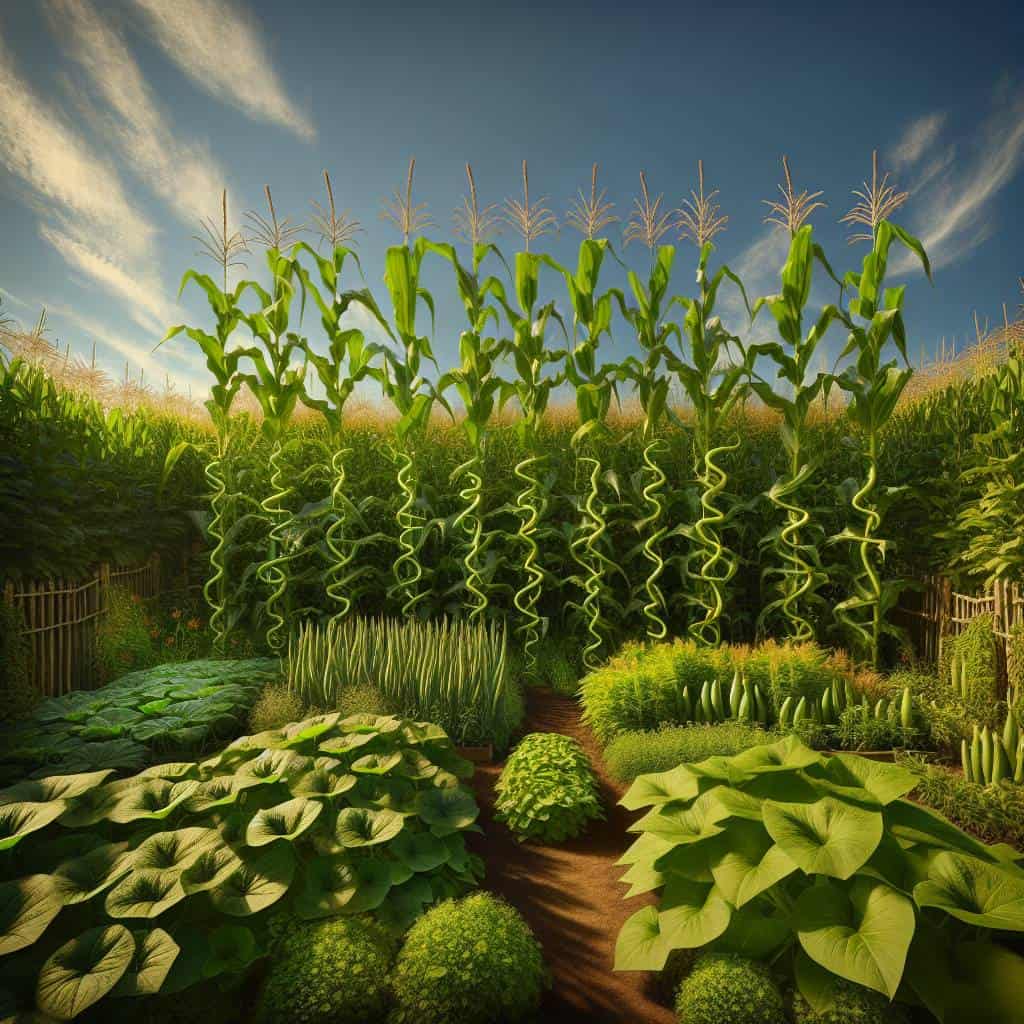
Picture this: a sun-drenched patch of dirt, a handful of seeds, and me—Frank—armed with ambition and a shovel. The Three Sisters method, they said, was a harmonious dance between corn, beans, and squash, a tribute to Native American ingenuity. But let me tell you, it’s less of a ballet and more of a chaotic mosh pit. Corn shoots up like a skyscraper, beans wrap around it like a needy lover, and squash sprawls out as if it owns the joint. It’s a love-hate relationship, where each plant jostles for its place in the sun, and I’m just the referee trying to keep the peace.
Corn—the ambitious overachiever—shoots up first, eager to be the tallest in the room. It’s supposed to provide support for the beans, but sometimes acts like an aloof sibling, too busy reaching for the sky to notice the clingy beans below. Speaking of beans, they play the role of the middle child, twisting and turning, desperate to find an anchor in their corn companions. And then, there’s the squash, the ground-hugging rebel that sprawls and spreads like it’s got something to prove. It keeps the weeds at bay, sure, but it also seems to have a vendetta against my carefully planned rows.
Despite the chaos, there’s some beauty in the madness. The Three Sisters method isn’t just a planting technique; it’s a lesson in coexistence. Each plant brings something to the table: corn provides the structure, beans add nitrogen to the soil, and squash acts as a living mulch. It’s a testament to the raw, unfiltered wisdom of nature. But man, it’s a saga of love and hate, of triumph and frustration. And when I bite into that first ear of corn, knowing the battle it took to get there, I can’t help but feel a twinge of affection for my unruly garden.
The Three Sisters’ Dance
Growing a Three Sisters garden isn’t about neat rows or tidy plans. It’s about embracing the chaos of corn reaching for the sky, beans winding their way up, and squash sprawling across the ground, each playing its part in a wild, harmonious dance taught by generations past.
Harvesting Lessons from the Three Sisters
At the end of the day, tending to a Three Sisters garden isn’t just about harvesting corn, beans, and squash. It’s a humbling dance with nature that forces me to acknowledge my own place in the grand scheme of things. Watching these plants—each with their quirks and demands—strive towards the sun has a way of grounding you. It’s a reminder that no matter how much we try to control or plan, nature has its own agenda. And sometimes, the best thing we can do is step back and let it work its magic.
I’ve come to see this trio as more than just a clever gardening method passed down from Native American tradition. It’s a living testament to interdependence and resilience. These plants don’t just coexist—they thrive together despite their differences. And maybe, just maybe, there’s a lesson in that for all of us. In this chaotic world where we’re all vying for our own little patch of sunlight, perhaps the real victory lies in finding a way to grow together.