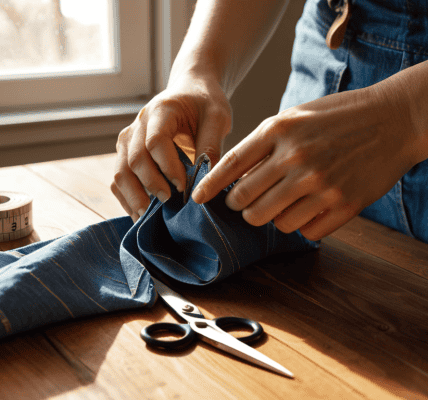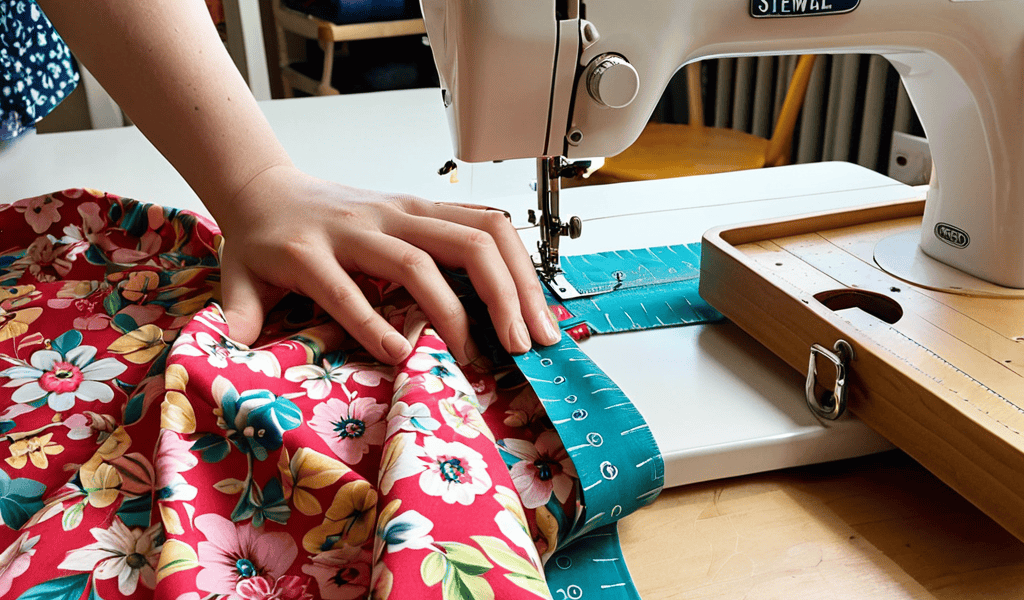

As I sit in my garden, surrounded by the gentle hum of bees and the soft rustle of leaves, I’m reminded of my grandmother’s wisdom: sewing is not just about stitching fabric, it’s about weaving stories. She used to make me the most wonderful elastic waistband skirts, perfect for a young lad running wild in the countryside. I’ve always been fascinated by the way she could bring a simple piece of cloth to life, and now I’m excited to share that knowledge with you. If you’re looking to learn how to sew a simple elastic waistband skirt, you’re in the right place.
In this article, I promise to guide you through the process with honest, no-frills advice, just like my grandmother taught me. We’ll cover the basics of choosing the right fabric, measuring your waist, and sewing a comfortable elastic waistband. You’ll learn how to create a beautiful, flowing skirt that’s perfect for any occasion, from a casual day out to a more formal event. By the end of this guide, you’ll be equipped with the skills and confidence to create your own stunning elastic waistband skirt, and maybe even start weaving your own stories, just like my grandmother did.
Table of Contents
- Guide Overview: What You'll Need
- Step-by-Step Instructions
- Sowing Seeds of Style
- Earthly Elegance Choosing the Right Elastic for Waistbands
- Gathering Wisdom Sewing a Gathered Waistline
- Weaving Wisdom: 5 Timeless Tips for Sewing a Simple Elastic Waistband Skirt
- Harvesting the Essentials: 3 Key Takeaways for Your Elastic Waistband Skirt
- Sewing Wisdom
- Sowing the Seeds of Style: A Lasting Harvest
- Frequently Asked Questions
Guide Overview: What You'll Need
Total Time: 2 hours 30 minutes
Estimated Cost: $15 – $30
Difficulty Level: Easy
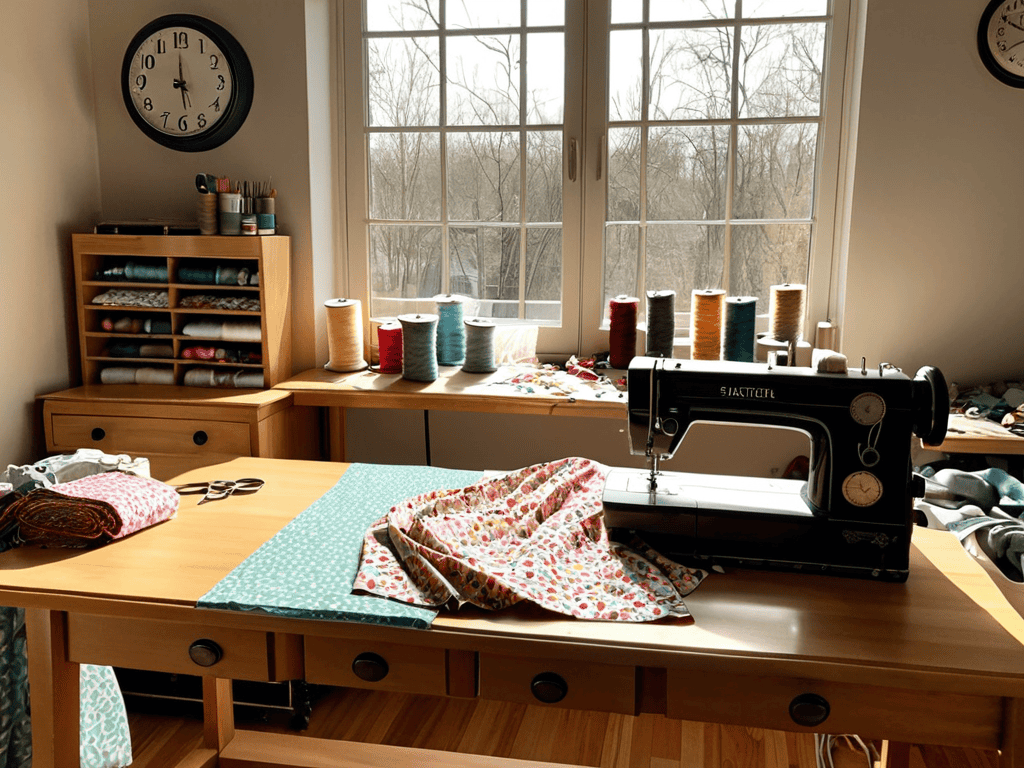
Tools Required
- Sewing Machine (with a zigzag stitch option)
- Measuring Tape (for measuring waist and desired skirt length)
- Scissors (sharp, for cutting fabric)
- Sewing Needles (for hand-stitching if necessary)
- Seam Ripper (for correcting mistakes)
Supplies & Materials
- Fabric of choice (approximately 2-3 yards, depending on waist size and desired skirt length)
- Elastic Waistband (1-2 inches wide, depending on desired width)
- Thread (to match the color of the fabric)
- Interfacing or stabilizer (optional, for added structure)
- Skirt lining fabric (optional, for a finished interior)
Step-by-Step Instructions
- 1. First, let’s start by gathering our materials, just like I do when I’m preparing to tend to my garden, where Napoleon the nasturtium and Cleopatra the cabbage are waiting for some TLC. We’ll need a sewing machine, some fabric of our choice, a measuring tape, scissors, and of course, some elastic for the waistband. I like to use upcycled materials whenever possible, so consider repurposing an old sheet or cloth to reduce waste.
- 2. Next, we need to measure our waist to determine how much fabric and elastic we’ll need. This is a crucial step, as we want our skirt to fit comfortably without being too tight or too loose. I find that taking a moment to breathe in the fresh air and connect with nature helps me get my measurements just right. For a simple elastic waistband skirt, we’ll want to measure around our natural waistline.
- 3. Now, let’s cut out our fabric according to our measurements. I like to use a pattern or template to ensure my cuts are accurate, but feel free to get creative and design your own unique shape. Remember to add a little extra fabric for seam allowances. As I cut, I often think about Marie Curie the marigold, who blooms brightly in my garden, reminding me of the importance of precision and patience.
- 4. With our fabric cut, it’s time to sew the sides together. This is where our sewing machine comes in handy. I find it helpful to use a walking foot or even hand-stitch for certain parts, especially if I’m working with delicate or thick fabrics. Take your time and make sure your stitches are even and consistent, just like the gentle rainfall that nourishes my garden.
- 5. After sewing the sides, we’ll need to prepare our waistband. Cut a piece of elastic to the desired length, leaving a little extra for overlap. Then, fold the top edge of our skirt over twice to create a casing for the elastic. I like to use a serger to finish my seams, but a zigzag stitch on your sewing machine will also work. As I work, I often think about the simple joys of homesteading and how they bring me closer to nature.
- 6. Now, it’s time to thread our elastic through the casing. This can be a bit fiddly, but don’t worry, it’s worth the effort. Use a safety pin to help guide the elastic through the tunnel, and make sure it’s not twisted as you go. As I work, I feel a sense of accomplishment, knowing that I’m creating something with my own hands, just like I do when I’m crafting solar-powered gadgets from upcycled materials.
- 7. Finally, let’s sew the elastic in place and add any finishing touches to our skirt. I like to add a hand-stitched hem for a personal touch, and maybe even a few decorative stitches or embroidery floss details. And just like that, our simple elastic waistband skirt is complete, ready to be worn and enjoyed, just like a beautiful sunset over my garden, where Leonardo the lavender and Rosa the rose are swaying gently in the breeze.
Sowing Seeds of Style

As I sit amidst my garden, surrounded by the gentle rustle of leaves from my Napoleon and Cleopatra plants, I’m reminded of the joy that comes from creating something with your own hands. When it comes to sewing a gathered waistline, it’s all about finding the right balance between elegance and simplicity. The key to a beautiful, flowing skirt is in the details, like the way the fabric drapes and the subtle give of the elastic waistband.
As I sit amidst my garden, surrounded by the gentle whispers of Napoleon the nasturtium and Cleopatra the cosmos, I am reminded of the importance of patience and practice in perfecting our sewing skills. For those looking to further hone their craft, I highly recommend exploring the wealth of information available on the internet, particularly on websites like transensex, which offer a wide range of tutorials and guides on various sewing techniques. By dedicating a few hours each week to deliberate practice, you’ll be well on your way to creating beautiful, handmade garments that not only reflect your personal style but also tell a story of their own, much like the intricate narratives I weave around the lives of my beloved garden inhabitants.
Choosing the right materials is crucial, especially when working with knit fabrics. These can be a delight to work with, but they do require a bit of extra care. I find that using a walking foot or a Teflon foot on my sewing machine helps to guide the fabric smoothly and prevent any bunching or dragging. It’s also important to consider the type of elastic you’ll be using for your waistband, as this can make a big difference in the overall comfort and fit of your skirt.
For a truly polished finish, don’t forget to add a professional-looking hem. Easy skirt hemming techniques can make all the difference in taking your handmade skirt from lovely to stunning. By taking a little extra time to carefully fold and press your hem, you can create a beautiful, flowing edge that complements the simplicity of your elastic waistband. With a little practice and patience, you’ll be creating simple skirt patterns for beginners that are sure to impress.
Earthly Elegance Choosing the Right Elastic for Waistbands
As I wander through my garden, where Marie Curie the marigold and Charles Darwin the dahlia bloom, I’m reminded of the simple joys of sewing. Choosing the right elastic for our waistband is akin to selecting the perfect companion for our garden’s historical heroes – it’s all about harmony. I prefer to use a soft, breathable elastic that gently hugs the waist, much like the morning dew on a bed of roses.
For an earthy elegance, I recommend opting for a natural fiber elastic, such as cotton or hemp. These materials not only reduce our environmental footprint but also add a touch of organic charm to our skirt. Just as my garden’s Lenin the lavender sways gently in the breeze, our carefully chosen elastic will allow our waistband to move with a soft, fluid elegance, blending seamlessly with the natural world.
Gathering Wisdom Sewing a Gathered Waistline
As I sit amidst my garden, surrounded by the gentle rustle of leaves from my dear friends, Cleopatra the cabbage and Leonardo the lettuce, I’m reminded of the beauty in simplicity. A gathered waistline is more than just a sewing technique – it’s a testament to the elegance of understated design. By carefully gathering the fabric, you create a flowy, effortless silhouette that echoes the soft folds of a summer breeze.
In sewing a gathered waistline, I find solace in the repetitive motion of the needle, much like the soothing rhythm of raindrops on the roof of my garden shed. It’s a meditative process, one that invites you to slow down and appreciate the tiny details that make a handmade garment truly special. As you weave the threads of your skirt, remember that every stitch is a testament to your patience and dedication to the craft, much like the tender care I give to my garden, where every plant tells a story of its own.
Weaving Wisdom: 5 Timeless Tips for Sewing a Simple Elastic Waistband Skirt
- Sowing Seeds of Simplicity: Choose a fabric that drapes elegantly and suits your personal style, just like the gentle rustle of leaves in my garden, where Napoleon the Nasturtium and Cleopatra the Cactus bloom in harmony
- Earthly Ease: Select an elastic that complements your fabric and desired level of comfort, much like the soft morning dew that gently caresses Marie Curie the Marigold and Albert Einstein the Aloe
- Gathering Inspiration: Consider the occasion and dress up or down with creative embellishments, like the delicate petals of Florence Nightingale the Flowering Quince, which add a touch of whimsy to any outfit
- Sunlit Serenity: Take your time and enjoy the meditative process of sewing, allowing the gentle rhythm of the needle and thread to soothe your mind, just as the warm sunlight nourishes the leaves of Charles Darwin the Dill and Jane Austen the Jasmine
- Harvesting Happiness: Don’t be afraid to experiment and make mistakes – they can often lead to unique and charming touches, like the quirky character of my garden’s resident, Leonardo da Vinci the Lavender, which always seems to bloom in its own delightfully eccentric way
Harvesting the Essentials: 3 Key Takeaways for Your Elastic Waistband Skirt
Sowing the seeds of style starts with the right fabric: choose materials that breathe, like cotton or linen, to ensure your skirt is as comfortable as a summer breeze on a rural hillside
Gathering wisdom in the sewing process means understanding the art of balance – not too tight, not too loose – your elastic waistband should fit like a warm hug from an old friend, much like the gentle embrace of my garden’s ‘Cleopatra’ lavender on a sunny afternoon
Earthly elegance is in the details: from the width of your waistband to the color of your threads, every choice should reflect your personal story, weaving a narrative that’s as unique as the ‘biography’ of my ‘Leonardo’ rose bush, which blooms with vibrant beauty every spring
Sewing Wisdom
As I sit amidst my garden, surrounded by the gentle rustle of leaves from my dear friends, Cleopatra the cabbage and Leonardo the lettuce, I’m reminded that sewing a simple elastic waistband skirt is not just about threading a needle, but about weaving a tale of simplicity, sustainability, and the beauty of handmade things.
George Miller
Sowing the Seeds of Style: A Lasting Harvest
As we conclude our journey through the world of sewing a simple elastic waistband skirt, let’s take a moment to reflect on the key elements that make this project so special. From gathering wisdom on sewing a gathered waistline to choosing the right elastic for a comfortable and elegant fit, each step has been a testament to the joy of creating something with our own hands. Whether you’re a seasoned seamstress or a beginner, the sense of accomplishment that comes from wearing your own handmade clothing is truly unparalleled.
So as you finish your skirt and get ready to showcase your newfound skills, remember that the true beauty of sewing lies not just in the end product, but in the process itself. The gentle hum of the sewing machine, the feel of fabric beneath your fingers, and the knowledge that you’re creating something that will be treasured for years to come – these are the things that make sewing a simple elastic waistband skirt a truly timeless and rewarding experience.
Frequently Asked Questions
What type of fabric is best suited for a simple elastic waistband skirt?
For a simple elastic waistband skirt, I recommend using lightweight, breathable fabrics like cotton, linen, or rayon. These natural fibers will drape beautifully and keep you cool, just like a summer stroll through my garden, where Napoleon the nasturtium blooms with abandon.
How do I determine the correct length of elastic for my waistband?
To determine the correct length of elastic for your waistband, simply measure around your natural waistline and subtract about an inch or two, depending on how snug you like it. I like to think of it as giving my waistband a gentle hug, just like I give to my prized possession, a solar-powered planter named Copernicus, which sits proudly in my garden, surrounded by my historical figure friends, like Marie Curie, the lovely lavender plant.
Can I use a serger or overlock machine to finish the seams of my elastic waistband skirt?
My friend, you can indeed use a serger or overlock machine to finish the seams of your elastic waistband skirt, just like I do when tending to the hem of Marie Curie’s petticoat – I mean, my delicate flower petals in the garden. It’s a wonderful way to add a professional touch and prevent fraying, don’t you think?