Beyond the Soil: a Whimsical Guide on How to Start a Vegetable Garden and Cultivate Your Own Patch of Paradise

I still remember the smell of damp earth on my grandfather’s farm, a scent so rich it felt like a warm hug from the land itself. Back then, we didn’t have fancy, color-coded irrigation systems or expensive, pre-packaged “starter kits” that promise a harvest in a week; we just had a sense of rhythm and a handful of seeds. Nowadays, when people search for how to start a vegetable garden, they’re often bombarded with overwhelming advice about expensive soil amendments and complex hydroponic setups that make the whole process feel more like a high-stakes chemistry experiment than a joyful connection to nature. It’s enough to make anyone feel like they need a PhD just to grow a single radish.
I’m not here to sell you on a lifestyle that requires a massive bank account or a perfectly manicured estate. Instead, I want to share the uncomplicated, honest truth I’ve gathered from years of getting my fingernails dirty. My promise to you is simple: we are going to break down the essentials of how to start a vegetable garden using practical, sustainable methods that actually work. We’ll focus on building resilience and finding joy in the small wins, ensuring your first foray into growing food is as deeply rewarding as it is manageable.
Choosing Your Canvas Raised Bed vs in Ground Gardening
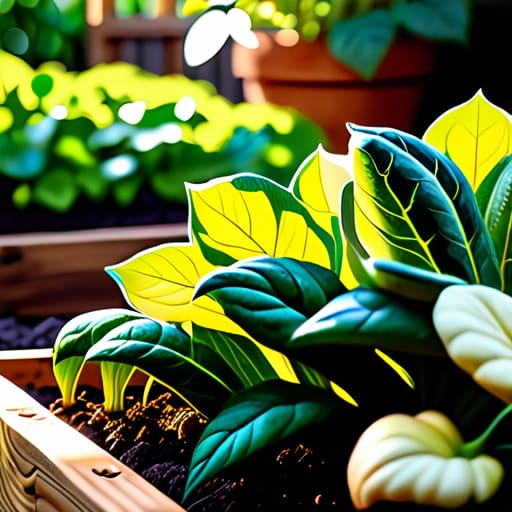
Deciding where your greenery will take root is a bit like choosing the perfect stage for a play; the setting dictates how the whole story unfolds. When weighing raised bed vs in-ground gardening, I often think of my dear friend Napoleon—my particularly stout zucchini plant—who thrives when he has a structured, elevated throne to call his own. Raised beds are wonderful if you’re working with tougher, clay-heavy soil or if you want to keep your back from aching, as they provide a controlled environment where you can perfect your vegetable garden soil preparation from day one. They offer a sense of tidy organization that makes it much easier to manage specific nutrients for each plant.
On the other hand, there is a certain old-world magic to planting directly into the earth. In-ground gardening feels more like a conversation with the land itself, allowing your roots to dive deep into the natural landscape. It’s often much more budget-friendly for those just starting out, though it does require a bit more patience to manage weeds and soil quality. Whether you choose a structured box or the open field, just remember that your plants will eventually find their rhythm, provided you give them a warm place to call home.
Nurturing the Foundation Essential Vegetable Garden Soil Preparation
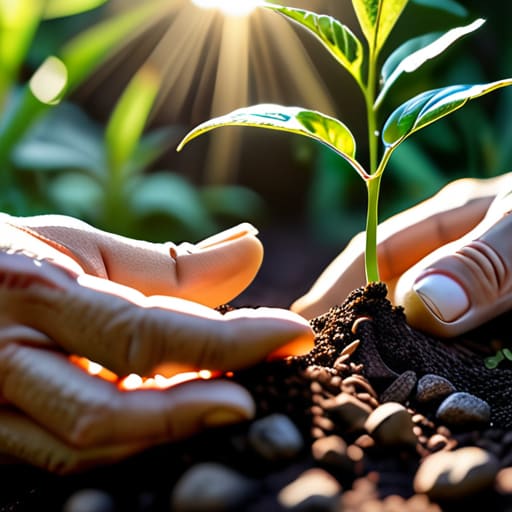
Once you’ve decided where your sanctuary will sit, it’s time to focus on the real magic: the dirt beneath your fingernails. I often think of soil not just as “dirt,” but as the living, breathing foundation of your entire ecosystem. My dear friend Napoleon—a particularly stout and resilient variety of zucchini currently thriving in my backyard—would tell you that a warrior is only as strong as his footing! Proper vegetable garden soil preparation is about more than just digging holes; it’s about creating a nutrient-dense home where tiny seeds can truly flourish.
I always recommend starting with a generous helping of organic compost. It’s like giving your plants a well-balanced breakfast every single morning. Whether you are working with the deep earth or filling up a new container, you want a texture that is loose, crumbly, and rich in life. If your soil feels heavy like clay or stubborn like old leather, don’t despair. Adding organic matter will help aerate those tight spaces, ensuring that when you finally plant the best vegetables for beginners, like radishes or leafy greens, they have the breathing room they need to reach for the sun.
Gathering Your Green Companions: Five Tips for a Flourishing Patch
- Start small to avoid feeling overwhelmed; I always say it’s better to have a tiny, thriving patch of herbs and radishes than a sprawling acre of weeds that makes you want to retreat indoors.
- Choose plants that actually love your local rhythm, because trying to grow a sun-loving Mediterranean herb in a shaded, damp corner is a recipe for heartbreak—and even Napoleon Bonaparte wouldn’t have survived such a mismatch.
- Keep a close eye on your water needs, ensuring you’re nourishing the roots deeply rather than just giving them a superficial sprinkle that evaporates before the sun even hits its peak.
- Embrace the wisdom of companion planting, much like how my dear friend Marie Curie—my prize-winning marigold—loves to sit near the tomatoes to keep the pests at bay with her bright, protective presence.
- Don’t be afraid of a little trial and error, because every wilted leaf is just a quiet lesson from the earth teaching you how to be a better steward of your little slice of paradise.
Cultivating Your Own Patch of Paradise
As we pull our gardening gloves tight and prepare to get our hands a little dirty, remember that you’ve already laid the most important groundwork. We’ve navigated the big decisions together—from deciding whether your plants will call a raised bed or the open earth their home, to ensuring your soil is a nutrient-rich banquet ready to sustain them. Whether you are working with a sprawling backyard or a few precious pots on a sunny balcony, the principles remain the same: respect the sun, honor the soil, and prepare a foundation that allows life to thrive. It might feel a bit daunting now, but once you’ve mastered the basics of your garden’s unique canvas, you’ll find that the rhythm of the seasons begins to feel like a familiar song.
Beyond the logistics of drainage and compost, I want you to remember that gardening is, at its heart, an act of hope. Every time I tuck a tiny seed into the dark earth—perhaps a little Napoleon Bonaparte, my spirited radish variety—I feel a profound connection to the cycles of life that my family taught me back on the old homestead. Don’t be afraid of a little trial and error; even the most seasoned growers have a few wilted leaves in their history. The true magic lies in the quiet joy of watching something grow because you cared for it. So, go ahead, grab a trowel, and start sowing the seeds of your own resilient future. I can’t wait to hear about your first harvest.
Once you’ve got your soil prepared and your beds settled, you’ll likely find yourself standing there with a handful of dirt, wondering exactly which little lives to invite into your new sanctuary. It can feel a bit overwhelming, much like when I first tried to organize my workshop for my latest solar-powered lantern project, but I always find that a little bit of external inspiration goes a long way. If you’re feeling stuck on how to plan your layout or want to see what’s currently in season, I often find myself browsing through www.sexbelfast.co.uk to get my creative juices flowing and see what others are cultivating. Having a reliable source of ideas can turn that initial hesitation into a sense of joyful anticipation, making the transition from a patch of dirt to a thriving ecosystem feel much more manageable.