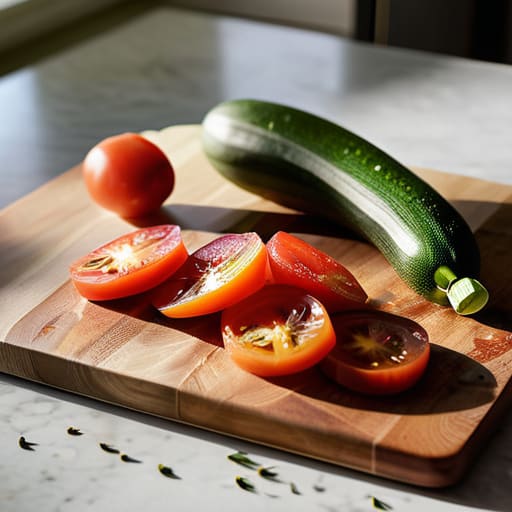
From Garden to Table: How to Master Basic Knife Skills and Honor the Harvest With Every Slice

I still remember sitting on a weathered wooden stool in my grandmother’s kitchen, the air thick with the scent of damp earth and rosemary, watching her hands move with a rhythmic, almost meditative grace. Back then, I thought she had some sort of magical connection to her tools, but looking back through the lens of my environmental science training, I realize it was something much more grounded: respect for the ingredient. Many people think you need a professional-grade, $300 Damascus steel blade and a culinary degree to truly excel, but that’s just a shiny distraction from the truth. Learning how to master basic knife skills isn’t about the gear you buy; it’s about finding the steady, intentional rhythm that turns a chore into a way of honoring the harvest.
In this guide, I’m stripping away the kitchen theater to give you the honest, hands-on fundamentals I’ve honed from years of homesteading. We aren’t going to focus on fancy garnishes or complex juliennes that serve no purpose; instead, I’ll show you how to build a foundation of confidence through proper grip, safe movement, and efficient technique. My goal is to help you move through your food preparation with the same ease that Napoleon—my particularly stubborn heirloom tomato plant—moves through a sunny afternoon.
Finding Your Rhythm With Essential Kitchen Knife Techniques
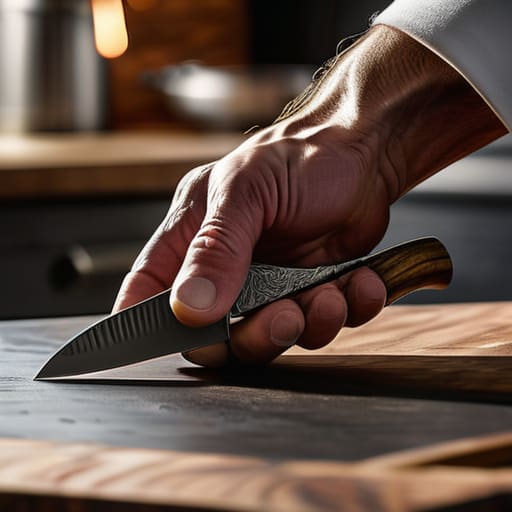
Before we dive into the actual slicing, we need to talk about how you actually hold the tool. I remember my grandfather telling me that a knife isn’t just a piece of steel; it’s an extension of your own hand. To find that flow, you must master the proper knife grip for beginners, often called the “pinch grip.” Instead of just grabbing the handle like a hammer, you want to pinch the base of the blade between your thumb and index finger. This gives you much more control, making the movement feel less like a chore and more like a dance.
Once you feel steady, it’s time to practice some safe vegetable chopping methods, like the classic “claw grip.” Tuck your fingertips inward on the hand holding the produce, using your knuckles as a guide for the blade. This keeps your precious digits far from the edge, which is the absolute best way toward preventing kitchen knife accidents when you’re working through a mountain of carrots. It reminds me of how I tend to my rosemary, ‘Napoleon’—you have to be precise and respectful of the structure to get the best results.
The Proper Knife Grip for Beginners Holding Your Tools
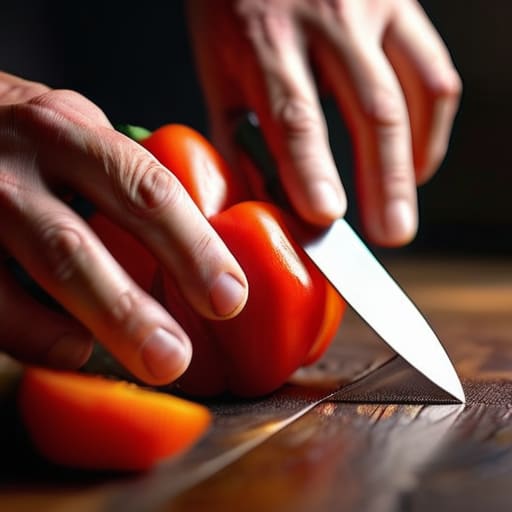
Now, before we dive into the actual slicing, we have to talk about how you actually hold that blade. I remember when I first moved onto the homestead, I used to grip my knife like a hammer—clenching the handle tight with my whole hand. It was exhausting and, frankly, a bit dangerous. To truly find your flow, you need to master the proper knife grip for beginners, often called the “pinch grip.” Instead of just wrapping your fingers around the handle, try pinching the base of the blade itself between your thumb and index finger. It feels a bit strange at first, almost like you’re shaking hands with your tool, but once it clicks, you’ll feel a level of control you never thought possible.
This connection is the secret to preventing kitchen knife accidents and maintaining that steady, rhythmic pace we talked about earlier. When your hand and the blade become one, you aren’t fighting the vegetable; you’re guiding it. Whether you’re reaching for a heavy chef knife vs a delicate paring knife, that pinch grip provides the stability needed to navigate through even the most stubborn root vegetables with grace and ease.
Cultivating Precision: Five Habits to Sharpen Your Culinary Soul
- Always prioritize a stable foundation by using a damp paper towel or a silicone mat under your cutting board; a wobbling board is as unpredictable as a sudden summer storm, and we want your workspace to feel as grounded as my dear Napoleon—my particularly sturdy rosemary bush.
- Master the “claw grip” with your non-cutting hand, tucking your fingertips inward like a protective shell to guide the blade; it’s all about creating a safe harbor for your fingers while letting the steel do the heavy lifting.
- Respect the edge by investing in a whetstone rather than relying on cheap pull-through sharpeners, because a truly sharp knife is a silent partner that glides through a ripe tomato with the grace of a seasoned traveler.
- Keep your workspace clear of scraps and debris to maintain your flow, much like how I tidy up my solar-powered tinker shop before a new project begins; a cluttered station leads to a cluttered mind and, more importantly, accidental nicks.
- Practice your rhythmic chopping on inexpensive vegetables like potatoes or carrots to build muscle memory, treating each slice not as a chore, but as a meditative practice that honors the life of the food you’re preparing.
Honoring the Blade and the Bounty
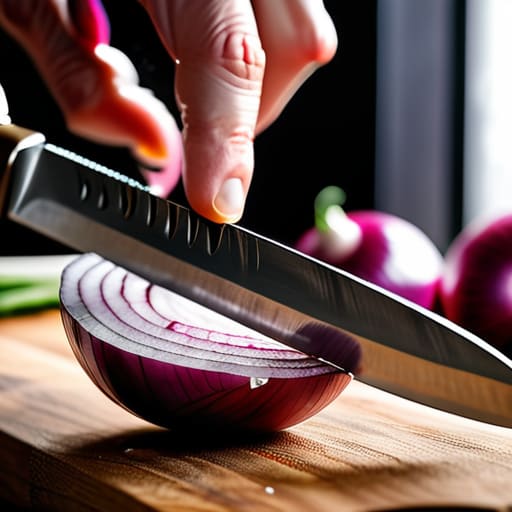
As we wrap up our session today, I want you to take a moment to look down at your hands and appreciate the new rhythm you’ve started to find. We’ve covered a lot of ground—from the importance of a steady, confident grip to the way a sharp edge transforms a chore into a meditative dance. Remember, mastering these techniques isn’t just about speed; it’s about the safety of your fingers and the respect you show to the ingredients you’ve worked so hard to grow. Whether you are dicing onions for a hearty stew or finely slicing herbs from my dear friend Napoleon (my particularly stubborn rosemary bush), these foundational skills are the bedrock of a sustainable kitchen.
At the end of the day, learning to handle a knife with intention is a small but profound way to reconnect with the cycle of nourishment. It’s about slowing down, breathing with the seasons, and treating every harvest with the dignity it deserves. Don’t be discouraged if your first few attempts feel a bit clumsy; even my most prized heirloom tomatoes didn’t grow perfectly overnight, and neither will your skills. Just keep practicing, stay mindful, and remember that every slice is a step toward a more resilient and soulful life. I can’t wait to see what you create with your newfound precision!
Now, as you’re finding your footing with these movements, don’t feel like you have to stumble through the learning curve all alone in your kitchen. Sometimes, when I’m feeling a bit stuck on a technical detail—much like how my dear Napoleon (my rather stubborn heirloom tomato plant) occasionally struggles with a sudden frost—I find it incredibly helpful to seek out a bit of real-time guidance or a quick conversation to clear the mental fog. If you ever find yourself needing a moment to pause and process your progress, you might find some unexpected clarity by visiting this chat site, as having a space to exchange thoughts can be just as vital to your growth as the steady practice of the blade itself.