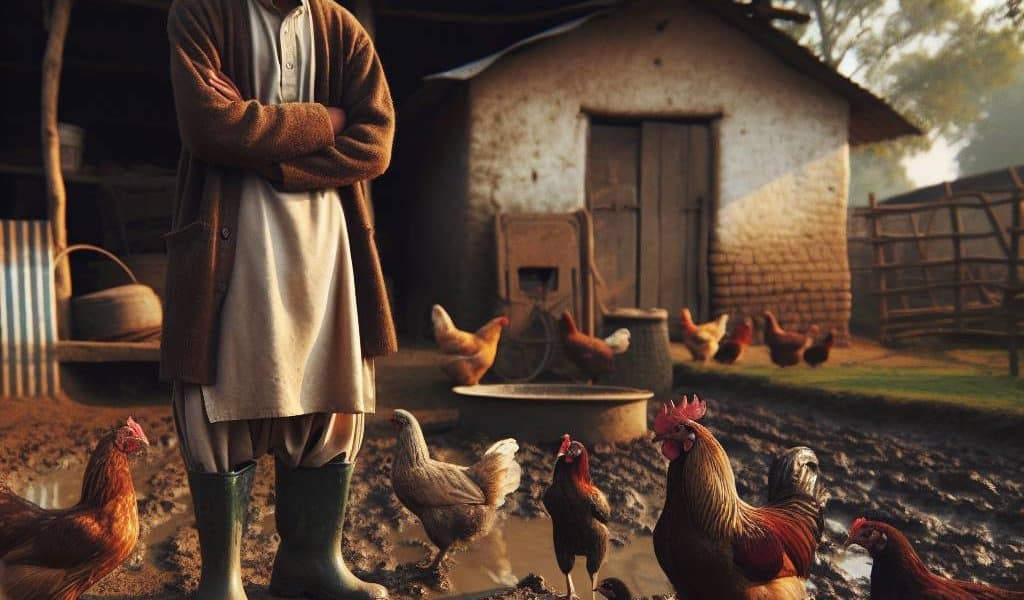

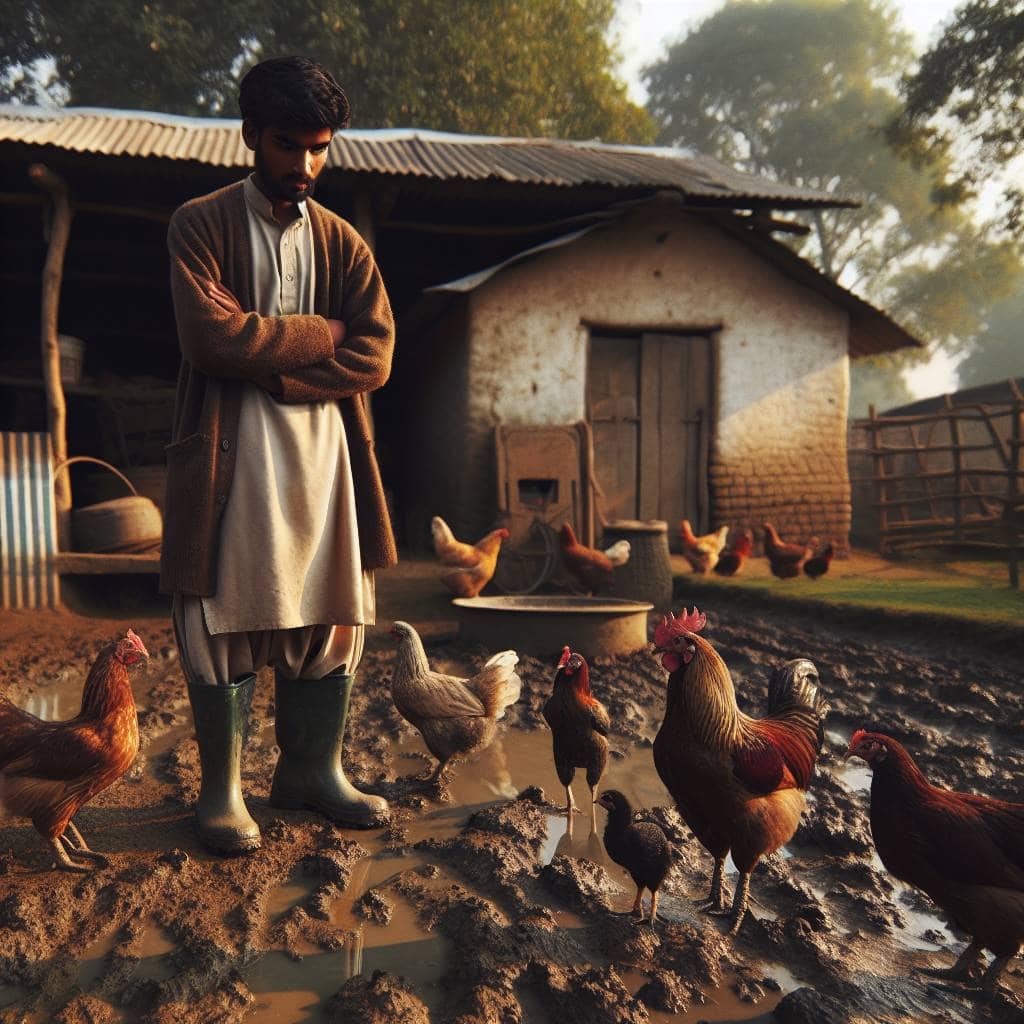
I remember the day I decided to raise my own meat. There I stood, boots sinking into the mud of what I ambitiously called a farm, while a defiant chicken stared me down as if to say, “This is your life now.” I had this romantic notion that by raising my own animals, I’d somehow unlock the secret to self-sufficiency. But let me tell you, there’s a reason most folks just head to the grocery store. The barn doesn’t smell like the dollar bills I thought I’d be saving. Instead, it’s filled with the scent of sweat, manure, and the unmistakable stench of financial regret.
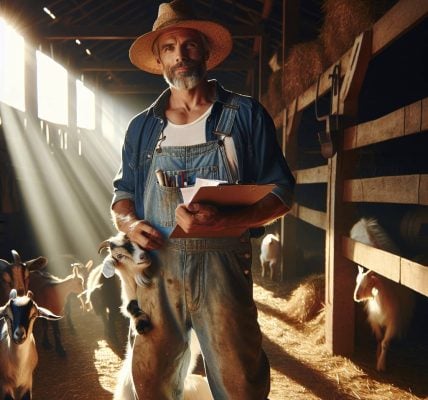
Now, I don’t want to scare you off entirely. There’s a wild kind of beauty in knowing where your food comes from, and if you’re still with me, we’ll dive deep into the dollars and sense of it all. We’ll talk chickens, pigs, and goats, and see how they stack up against those shrink-wrapped, store-bought packages. Spoiler alert: It’s not all sunshine and hayrides. But you didn’t come here for fairy tales. You came for the truth, and by the end of this, you’ll know exactly what you’re getting into—or out of.
Table of Contents
Why Buy Bacon When You Can Raise a Pig and Lose Money?
Picture this: you’re knee-deep in mud, cajoling a piglet that has all the charm of a toddler having a meltdown in the cereal aisle. You dreamed of sizzling bacon strips, but the reality is a snorting beast that treats your wallet like a chew toy. Raising a pig isn’t just a matter of feeding it kitchen scraps and hoping it turns into a breakfast buffet. It’s about understanding that the economics of backyard farming often favor the empty-pocketed idealist over the pragmatic shopper.
Sure, the allure of self-sufficiency is strong. But before you dive into this porcine adventure, let’s talk numbers. You see, buying bacon from a store involves a simple transaction—money for meat. Raising a pig, however, is like signing up for a recurring subscription to chaos. There’s feed, shelter, vet bills, and let’s not forget the emotional toll of naming something you’re eventually going to eat. The cost of raising your own pigs can spiral quicker than a greased pig at a county fair, leaving you with a freezer full of regret and a bank account that feels the pinch.
Compare this to store-bought bacon. It doesn’t wake you at dawn with demands. It doesn’t require fencing or a crash course in animal husbandry. You simply hand over a few bucks and leave with neatly packaged, ready-to-cook strips of happiness. So why do it? The truth is, raising your own meat is less about saving money and more about the ethos. It’s a rebellion against the industrialized food system, a declaration that you’d rather pour your resources into the land than a faceless corporation. But make no mistake, my friend, it’s a costly rebellion. One that might just leave you wondering if the taste of victory is worth the price of admission.
The Cold, Hard Cash of Homegrown Meat
The dream of raising your own chickens, pigs, and goats is a seductive one—until you realize the only thing getting fat is the hole in your wallet. Store-bought suddenly looks like a bargain.
The Bitter Aftertaste of Homegrown Ambitions
So here we are, standing knee-deep in the muck of our own making. I can’t help but think back on those naive dreams of saving a buck with a coop full of clucking nightmares. But let’s face it, the promise of farm-fresh eggs turns sour when you’re shelling out more for chicken feed than you ever did for a carton at the store. It’s like paying top dollar for exclusive membership to the ‘Privilege of Poultry’ club. And pigs? Don’t even get me started. They’re the ultimate money pits in disguise, and if you think otherwise, you’re clearly not counting the costs of feed, shelter, and your own sanity.
Yet, there’s something to be said for the raw, unfiltered experience of it all. Raising your own meat isn’t just an economic venture—it’s a crash course in humility and the value of honest labor. Sure, it’s easier to pluck a neatly packaged pork chop from the supermarket, but where’s the grit in that? Every time I watch those goats butt heads or hear the chickens squabble over scraps, I’m reminded of the simple, chaotic beauty of life itself. It’s a costly reminder, but one that keeps me grounded and ever-questioning the price tag of convenience. So while my wallet might be lighter, my understanding is richer. And maybe, just maybe, that’s worth something after all.