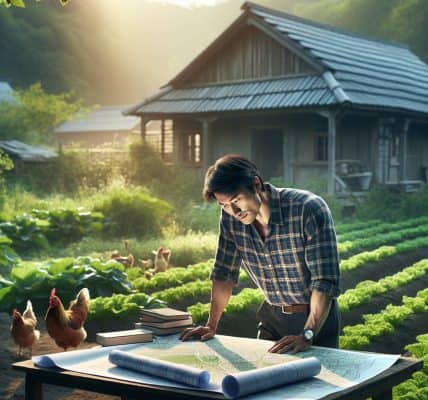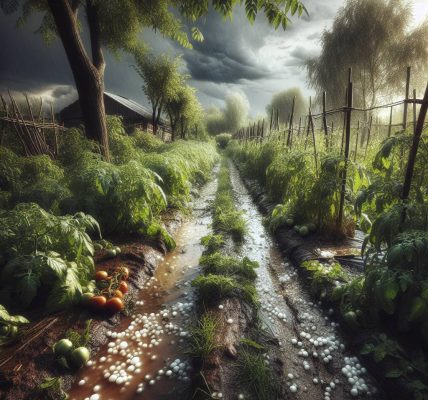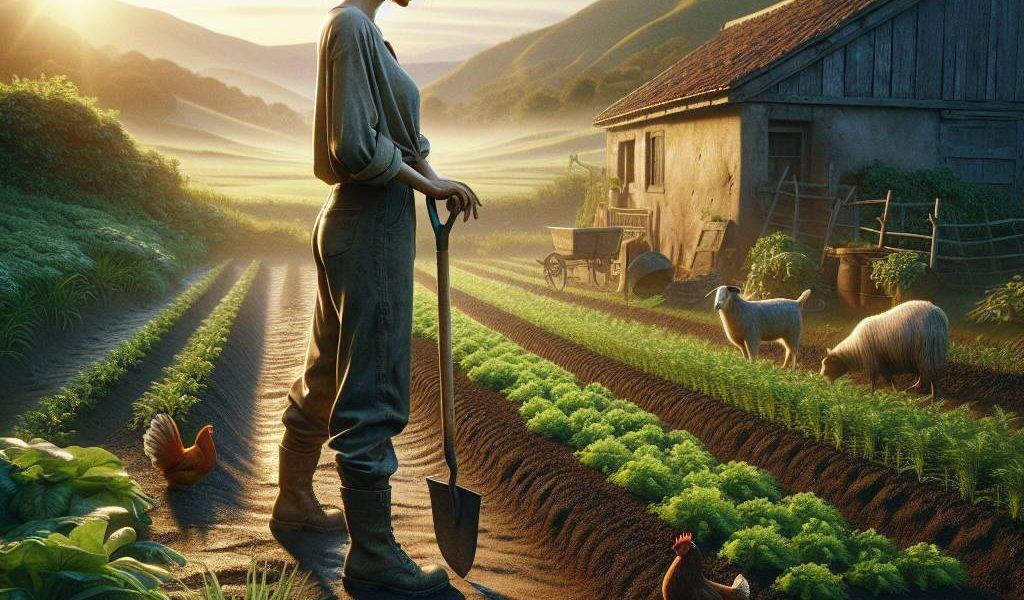

I once entertained the idea of ditching my desk job for a life of pastoral bliss. Picture this: me, knee-deep in chicken manure, trying to remember if “crop rotation” was something I read about or just a fever dream. Turns out, the back-to-the-land movement isn’t all wildflowers and wholesome porridge. It’s more like a relentless juggling act where the balls are made of dirt, sweat, and a healthy dose of existential dread. Yet, the allure was undeniable—who wouldn’t want to trade the hum of fluorescent lights for the chirping of crickets? But oh, how the romance quickly fades when you realize the crickets don’t stop chirping. Ever.
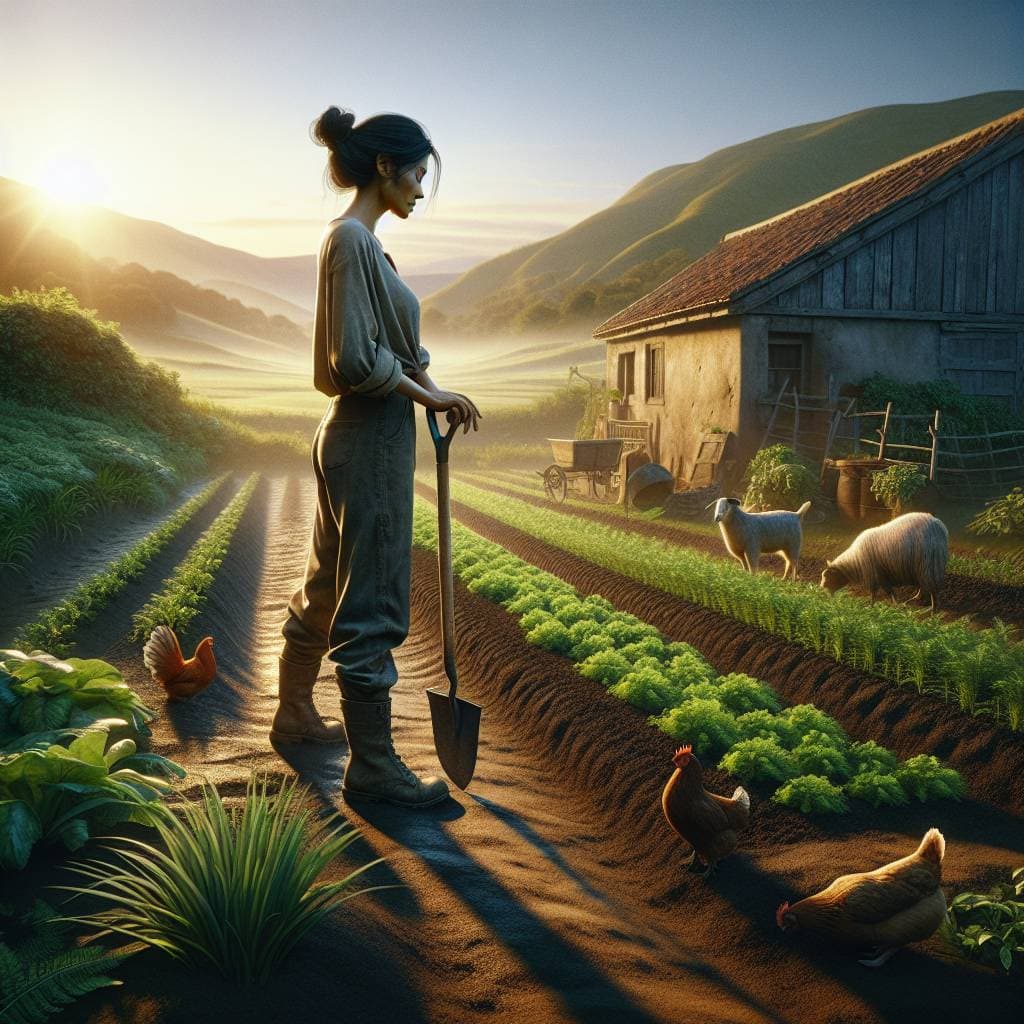
If my misadventures sound familiar, stick around. We’re diving into the tangled roots of the back-to-the-land movement, a journey that’s as much about cultural shifts as it is about personal epiphanies. We’ll unravel how this movement morphed from a countercultural rebellion to a modern-day hashtag, touching on everything from the gritty realities of homesteading to the broader cultural tides that drove folks to pack up and head for the hills. So grab your metaphorical hoe and prepare to dig deep into the soil of history and human nature. No filters, no fluff, just the dirt beneath our nails and the stories that got us here.
Table of Contents
From Hippie Dreams to Modern Homesteads: A Cultural Whirlwind
Picture this: It’s the late ’60s, and a bunch of free spirits, disillusioned by the grind of city life, decide to trade their bell-bottoms for overalls and hit the road to greener pastures. This wasn’t just a move; it was a full-on cultural exodus. They dreamt of self-sufficiency, of living off the land, of finding peace in simplicity. But let’s be real—while the idea of growing your own food and living in harmony with nature sounds like the ultimate Instagram-worthy lifestyle, the reality was often a mix of mud, sweat, and existential crises. These pioneers, armed with copies of “The Whole Earth Catalog” and a deep disdain for ‘The Man,’ sowed the seeds of what we now call the modern homesteading movement.
Fast forward to today, and the back-to-the-land dream has evolved. Modern homesteaders have traded macramé and psychedelics for solar panels and permaculture. But it’s not just the tools that have changed. Today’s homesteaders are more diverse, blending traditional skills with modern technology to create sustainable lives. This isn’t just a lifestyle choice; it’s a cultural statement—a pushback against the consumerism that defines much of modern life. It’s about reclaiming autonomy, finding purpose in the tangible, and yes, maybe even enjoying the occasional sunset over your own patch of earth. The movement has morphed from a countercultural rebellion into a viable, even trendy, alternative for those seeking more than the status quo can offer.
A Glimpse into the Rustic Revolution
The back-to-the-land movement isn’t just a shift in location; it’s a cultural rebellion against the sterile confines of modern life. Homesteading is where the ideal meets the relentless grind, revealing that true freedom is often a beautifully tangled mess.
The Reality of Planting Roots Away from the Noise
So here we are—standing at the crossroads of dreams and dirt, where the back-to-the-land movement and modern homesteading converge. I’ve spent a fair amount of time wondering if this movement is a testament to human resilience or just a stubborn refusal to accept Wi-Fi as a necessity. Maybe it’s both. What I do know is that while the world spins faster, some of us yearn to hit the brakes, even if it means trading convenience for calluses. In a world obsessed with screens, there’s something raw about digging your hands into the soil and claiming your patch of land.
But don’t get me wrong; I’m not romanticizing the struggle. The reality is gritty and unfiltered. The back-to-the-land movement, whether it’s sprouting from 1960s rebellion or today’s eco-conscious mindset, isn’t about escaping—it’s about confronting. Confronting the elements, your limits, and sometimes, your own misguided expectations. It’s a path less traveled, sure, but maybe that’s the point. It’s not for everyone, and it doesn’t have to be. But for those who dare to tread it, know this: it’s a journey that’s unapologetically yours, filled with lessons you can’t download from the cloud.