
There’s a certain kind of chaos that only a small shed can deliver. Picture this: I’m wading through a sea of mismatched screws and rusted nails, trying to find a hammer that isn’t buried under last season’s failed tomato cages. Every time I open the door, it’s like the shed is daring me to find anything in less than ten minutes. I call it character-building; my spouse calls it a disaster. But let’s be real, if I had a nickel for every time I nearly twisted an ankle tripping over a rogue wrench, I’d have enough to buy a shed twice the size—which would probably just mean twice the chaos, knowing me.
But here’s the deal, my friends: I’m done with the tool hide-and-seek. This article is your ticket to sanity. I’m diving into the gritty details of organizing those tools—no fluff, just real-deal strategies. From pegboards that might just save your sanity to storage hacks that don’t require a degree in engineering, we’re covering it all. So, toss the clichés out with last week’s trash and get ready for some solid advice you won’t find in any glossy magazine. Let’s tackle this mess together, one tool at a time.
Table of Contents
From Chaos to Zen: My Quest for Shed Organization Enlightenment
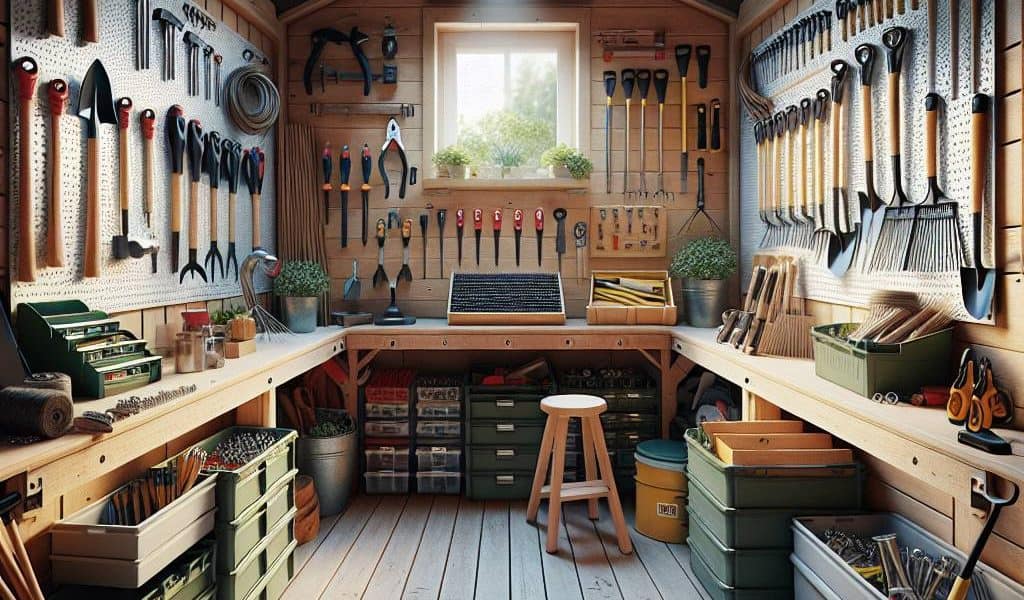
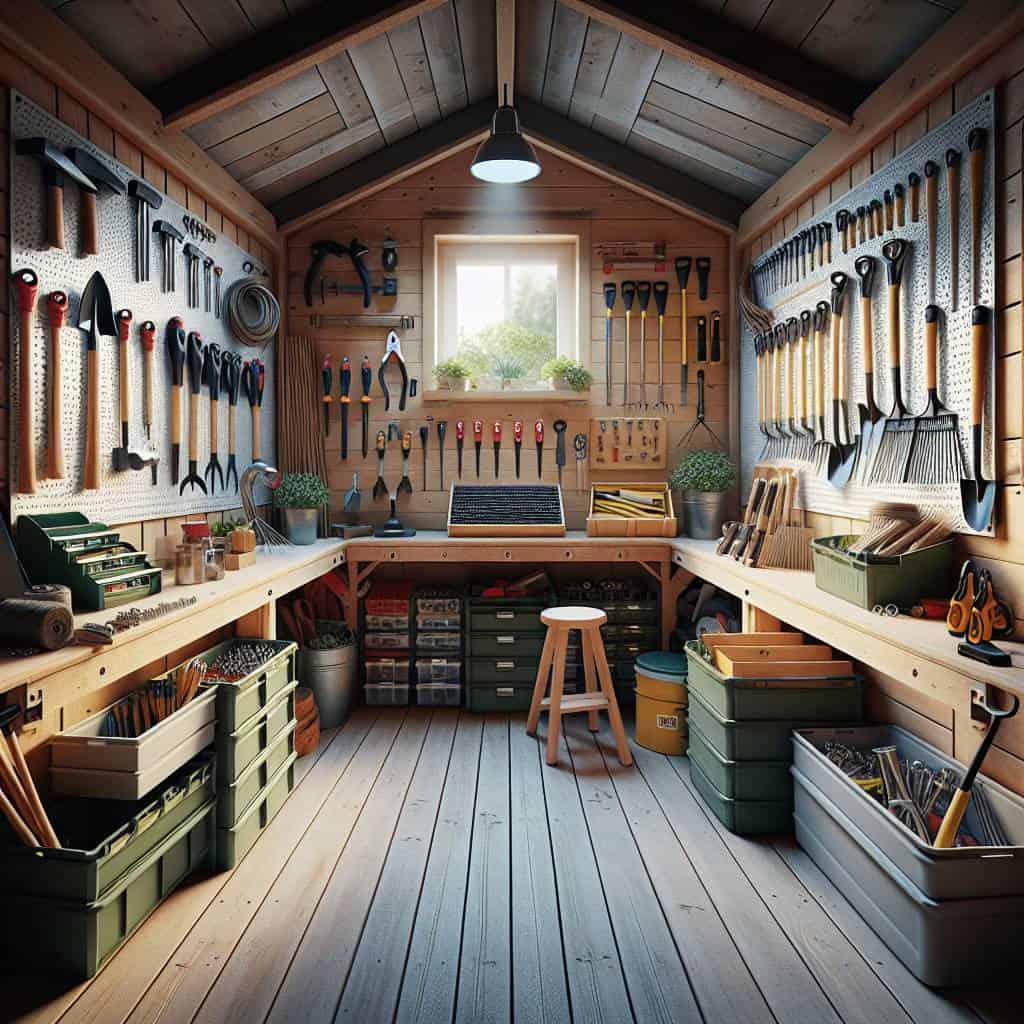
Cramped, cluttered, and chaotic: welcome to my shed nightmare. You know the drill—open the door, and it’s like a game of Tetris gone wrong, with tools teetering on the brink of a metal avalanche. The chaos was my Everest, a mountain of disarray that needed conquering. I wasn’t looking for a Pinterest-perfect solution with labels and matching bins. No, I wanted something real, something gritty that wouldn’t crumble at the first sign of reality. Enter the humble pegboard. A revelation, really. Forget the fancy storage systems that promise the moon and deliver a headache. A pegboard is like the Swiss Army knife of organization—simple, versatile, and surprisingly effective. It’s about making the space work for you, not the other way around.
But let’s get real here. A pegboard alone isn’t going to save you from the abyss. It’s about mindset. I had to unlearn years of shoving things into corners and hoping for the best. It involved a brutal honesty with myself—like admitting I didn’t need five half-broken hammers or a rusted collection of who-knows-whats. I embraced a ruthless edit of my tool collection, keeping only what was truly useful. And with the pegboard in place, each tool found its home, a sort of zen-like peace settled over the shed. It’s not just organization; it’s a form of enlightenment. The kind that comes when you walk into your shed and don’t fear for your life anymore. That’s the real victory, folks.
When Chaos Meets Clarity
In the cramped chaos of a small shed, a pegboard isn’t just storage—it’s your peace treaty with clutter.
The Shed Saga: Lessons Learned and Lived
As I close the door on this chapter of organizing chaos, one thing is clear: my shed is no longer a place where tools go to die. It’s a living testament to the art of compromise between clutter and creativity. Sure, the pegboards have turned into my personal Tetris game and the storage bins are more of a puzzle than a solution, but that’s life, isn’t it? Perfectly imperfect. I’ve realized that true organization isn’t about achieving some mythical state of flawless order, but about taming the beast just enough so it doesn’t bite you every time you reach for a hammer.
Reflecting on this journey, I’ve found a strange sort of peace amidst the mayhem. It’s like finding a little slice of zen in a world that thrives on chaos. And while I might still trip over a rogue garden hose or curse the existence of extension cords, I’ve learned to work with the mess, not against it. Because at the end of the day, it’s not just about storing tools; it’s about embracing the madness and making it your own. So here’s to sheds that are lived in, not labored over. May they forever be a testament to the grit and grime of real life.