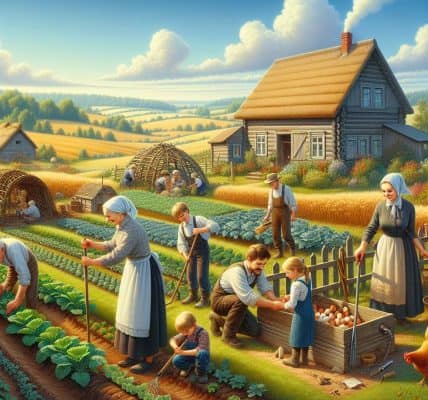

I once thought homesteading was all about getting my hands dirty in the garden, maybe raising a few chickens, and living the pastoral dream. Little did I know, the real dirt was in the paperwork. My first encounter with the legal side of things felt like running headfirst into a brick wall of bureaucracy. Imagine my surprise when I learned that my idyllic vision of self-sufficiency could be squashed by a zoning law written by someone who probably never grew a tomato in their life. The reality hit hard: if you’re not careful, the dream of homesteading can quickly become a nightmare of red tape and regulations.

But fear not, fellow truth-seekers. In this piece, I’ll peel back the layers of this legal onion, no sugar-coating it. We’ll dive into the murky waters of zoning laws, animal regulations, and water rights. I’ll also shine a light on those pesky local ordinances that seem to exist just to make our lives difficult. Together, we’ll navigate this maze with a healthy dose of skepticism and a shared commitment to uncovering the raw, unvarnished truths of homesteading. Buckle up; it’s going to be a bumpy ride.
Table of Contents
That Time I Became an Accidental Outlaw Over a Chicken Coop
Picture this: a crisp morning, the kind where the dew clings to the grass and the sun’s first rays promise a day full of potential. There I was, standing beside my newly built chicken coop, feeling like a homesteading hero. Little did I know, my dreams of fresh eggs and content clucks would soon transform me into the Bonnie of the backyard, minus Clyde, and all over a zoning technicality. You see, my coop, an architectural masterpiece of reclaimed wood and chicken wire, was in direct violation of my county’s zoning ordinances. I had unknowingly stumbled into a bureaucratic quagmire, where the simple desire for self-sufficiency collided with the cold, hard wall of local regulations.
Now, the thing about homesteading is that it’s not just about planting seeds or raising animals. It’s about navigating a minefield of legalities that can turn your bucolic dreams into a Kafkaesque nightmare. Zoning laws dictate where you can place your coop, if you can have one at all, and how many feathered friends you’re allowed. My unassuming coop was apparently in the wrong zone, too close to my neighbor’s property line, and housing more chickens than the law deemed acceptable. The irony? My neighbor loved the chickens! But rules are rules, and soon enough, I found myself summoned to a local ordinance hearing, clutching a folder full of paperwork like some sort of renegade farmer defending their turf.
This tangled web of zoning laws and animal regulations can make you feel less like a homesteader and more like a fugitive on the run from the law. And let’s not even get started on water rights or waste management. With every “I hereby declare” and “pursuant to subsection,” I realized that homesteading isn’t just about getting back to nature—it’s about negotiating with it. So, if you’re dreaming of a coop of your own, take my advice: before you pick up a hammer or name your first hen, dive into the fine print of your local ordinances. Because trust me, becoming an accidental outlaw over a chicken coop is a badge you don’t want to wear.
Cutting Through the Legal Maze
Diving into homesteading without understanding zoning laws and water rights is like building a house on quicksand. You might stand tall for a while, but eventually, everything will come crashing down.
When the Law Meets the Land
As I sit here, coffee in hand, staring out at the tapestry of fields and sky, I can’t help but reflect on the absurdity of it all. Who knew that the simple act of wanting a little piece of Eden could lead me to wrestle with a bureaucratic beast? Zoning laws, animal regulations, and water rights—it’s like the universe decided to throw a legal obstacle course at anyone yearning for a taste of self-sufficiency. But here’s the kicker: despite the headaches and the red tape, there’s an empowering sense of rebellion in carving out your own path. It’s a reminder that even in a world bound by rules, there’s still room for a little anarchy.
So, what’s the takeaway from this legal escapade? Well, it’s not just about finding loopholes or skirting around ordinances. It’s about standing your ground, understanding the system, and occasionally giving it the middle finger when it tries to fence you in. Homesteading isn’t just a lifestyle; it’s a declaration of independence in a society that often forgets the value of simplicity. And that, my savvy companions, is worth every ounce of frustration and every drop of sweat. Because at the end of the day, it’s not just land we’re cultivating—it’s freedom.