
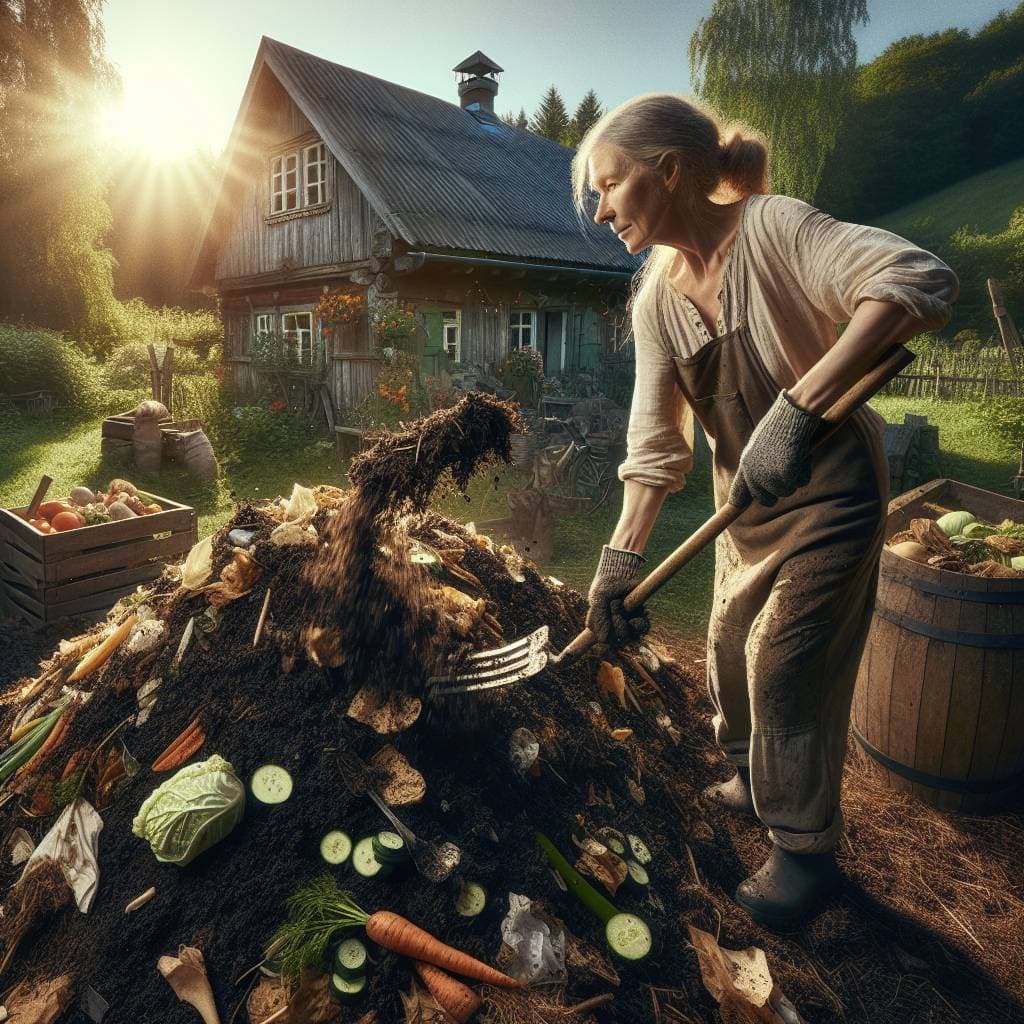
They don’t tell you this on those idyllic homesteading blogs, but let me be real with you: managing waste on a self-sufficient homestead is like trying to tame a wild beast with a spoon. It’s all fun and games until you’re knee-deep in scraps, wondering why you ever thought you could turn your kitchen waste into black gold. I remember my first attempt at composting—armed with nothing but blind optimism and a rusted pitchfork. What I got was a pungent pile that resembled a science experiment gone wrong. But hey, you live, you learn, and sometimes you just have to laugh at your own naïveté.
So here’s the deal. If you’re as fed up with trash overload as I once was, stick around. I’m going to spill the beans on the gritty reality of waste management. We’ll talk composting without the stink, recycling without the confusion, and reducing consumption in a way that doesn’t make you feel like you’re living in a cave. It’s not about achieving some glossy, zero-waste fantasy. It’s about making peace with the mess and finding a rhythm that works. Let’s get into it.
Table of Contents
The Composting Chronicles: Rotting Away My Misconceptions
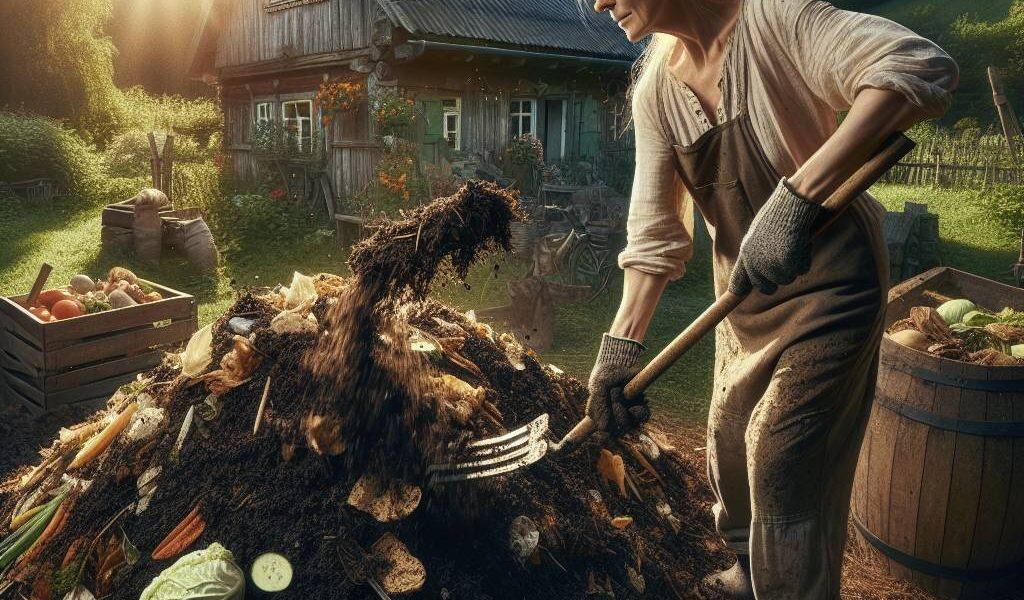
If you think tossing a banana peel on a compost heap will magically transform your homestead into a zero-waste utopia, you’re in for a messy surprise. Trust me, I was that wide-eyed optimist once, staring at my burgeoning pile of kitchen scraps and yard waste like it was some kind of mystical portal to eco-heaven. But here’s the raw truth I had to face: composting isn’t a spectator sport. It’s a hands-on, sometimes messy affair that demands a bit of knowledge and a whole lot of patience.
I used to believe that composting was just nature doing its thing, a passive process where you throw stuff in a pile and wait. Turns out, it’s more like tending a living, breathing organism that demands your attention. You need to balance the greens and browns—nitrogen-rich scraps like coffee grounds and vegetable peels with carbon-heavy materials like dried leaves and cardboard. And don’t get me started on the importance of turning the pile to keep it aerated. Otherwise, you’re left with a stinking, soggy mess instead of that sweet-smelling, crumbly black gold known as compost.
Embracing composting on the homestead taught me more than just how to manage waste; it reshaped my whole outlook on consumption and waste. I realized how much we throw away without a second thought and how that mindset doesn’t cut it if you’re aiming for self-sufficiency. It’s not just about reducing landfill waste—it’s about understanding the cycle of life and waste, and respecting the resources we have. Zero-waste isn’t an endpoint; it’s a journey of making conscious choices every day. So, if you’re serious about going off-grid and living sustainably, roll up your sleeves and dive into that compost pile. It’s a dirty job, but the payoff is as real and rewarding as the soil beneath your feet.
Turning Trash into Treasure
Real self-sufficiency means rolling up your sleeves and seeing waste as a resource in disguise. Compost isn’t just a pile of scraps—it’s the heartbeat of a thriving homestead.
The Unearthed Truths About Waste and Self-Sufficiency
It’s funny, really, how a deep dive into the underbelly of waste management has changed my perspective on living self-sufficiently. I used to think that managing waste was about ticking boxes—compost here, recycle there, job done. But the truth is, it’s more like learning a new language, one that requires fluency in patience and a solid grasp of imperfection. Each banana peel tossed onto the compost heap is a reminder that nature doesn’t rush perfection, and neither should we.
Learning to live with less waste has been less about achieving some zero-waste nirvana and more about embracing the imperfect beauty of the process. It’s a dance with consumption, a challenge to view every item not as a burden but as part of a cycle. And yes, sometimes that dance looks more like a clumsy shuffle than a graceful waltz. But in those moments of stumbling through the mess, I find clarity. It’s not about reaching an endpoint but savoring the journey of discovering how interconnected we are with the land. Maybe that’s the real reward of this homesteading life—a gritty, raw connection to something bigger than ourselves.