
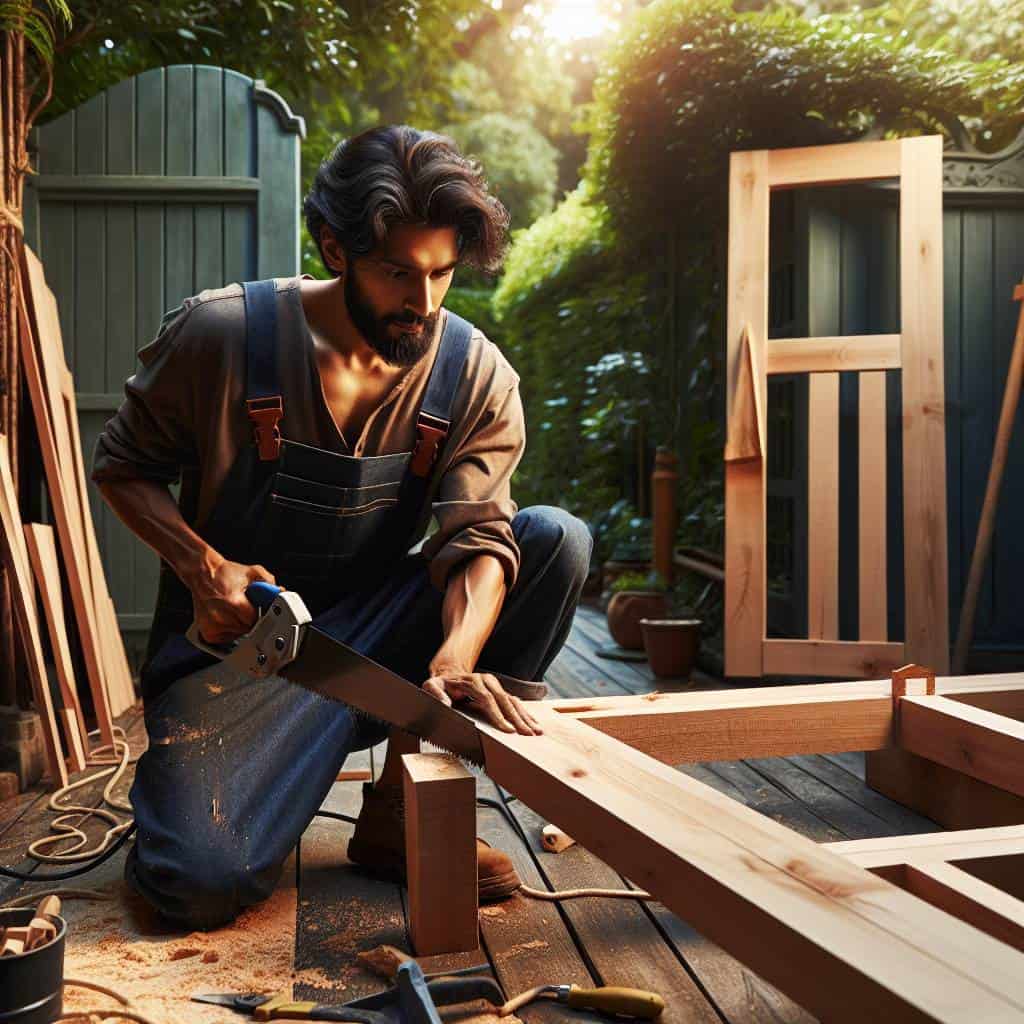
I remember the first time I decided to build a gate. It was a misguided attempt at proving I wasn’t just good at knocking things down. Armed with a borrowed saw and an inflated sense of confidence, I figured, “How hard could it be?” Turns out, harder than a politician sticking to promises. The gate ended up as a monument to everything I didn’t know about woodworking. But hey, it stood—crookedly, like a drunk uncle at a wedding. That fiasco taught me one thing: sometimes, you need a guide that doesn’t gloss over the gritty details.
So, if you’re thinking of tackling a gate project, whether it’s for a garden escape or a driveway barricade, buckle up. We’re not just talking about slapping planks together. This is about understanding the wood, planning with a purpose, and embracing the DIY spirit without losing your sanity. I’ll walk you through the process, sharing what I learned from my own lopsided adventure. No fluff, just the real deal. Get ready to make something that stands straight—well, straighter than my first attempt, anyway.
Table of Contents
The Grand Misadventure of the Garden Gate: More Than Just Wood and Plans
Ah, the garden gate. That emblem of backyard glory, where dreams of privacy and rustic charm meet the cold reality of splinters and misaligned hinges. You’d think slapping together a few planks of wood would be a straightforward affair. But no. This isn’t just about nailing some timber and calling it a day. It’s a grand misadventure, my friend—one that requires more than just a blueprint and a pile of lumber.
See, the gate isn’t just a barrier or a quaint little passageway to your tomato plants. It’s a statement, a bold declaration that your garden is worth protecting from stray cats and nosy neighbors alike. But what you don’t see in those glossy DIY magazines is the chaos that comes before the picture-perfect finish. The plans you drew up in your mind, all neat lines and precise angles, have to tango with reality. Did you measure twice before cutting once? Probably not, and now you’re dealing with a gate that might stand a little crooked. That’s okay. It’s part of the charm, a testament to your persistence in the face of warped wood and rusty nails.
And let’s not forget the driveway debates. Should the gate swing in or out? Will it clear the car, or will you be performing vehicular gymnastics every morning? These are the questions that keep you up at night, not the ones they mention in those glossy DIY guides. It’s not just about the gate; it’s about the journey—one fraught with unexpected hiccups and a hefty dose of self-discovery. So when you stand back, admiring your handiwork, know that this gate is more than just a fence. It’s a piece of your story, a testament to your ability to wrestle chaos into something that resembles order. Sort of.
Gate-Building Wisdom: No Nonsense
Building a gate isn’t just about the wood and nails; it’s about drawing the line between the world and your sanctuary. Plans? Overrated. Just make sure it swings both ways.
The Final Nail in the Wooden Adventure
So there it stands, a testament to stubborn persistence and a few splintered fingers—my wooden gate. It’s not just a barricade between me and the neighborhood chaos; it’s a symbol of the occasional madness that comes with picking up a saw and thinking you’re some kind of pioneer. I’ll admit, there were times I cursed the very existence of wood, plans, and the driveway it was meant to guard. But, in the end, it’s there, and so am I, with all my fingers mostly intact.
Building this gate wasn’t just about keeping the garden safe from the local wildlife or pretending I’m some DIY savant. It was a reminder that life’s projects, no matter how frustrating, are more about the journey than the destination. Each board fitted into place was a lesson in patience and grit—two things that rarely come wrapped in neat packages. And sometimes, when the world spins a little too fast, it’s comforting to know there’s a sturdy wooden gate at the end of the drive, reminding me that some things are still within reach, one nail at a time.