
I once tried to grow tomatoes in my backyard. Naively optimistic, right? Spoiler alert: I ended up with a bunch of sad, shriveled things that even a rabbit with low standards would reject. This got me thinking about the promises of IoT in agriculture. We’re told that with the right gadgets, farming becomes foolproof—like giving plants Wi-Fi and expecting them to magically thrive. But let’s face it, technology and nature have a love-hate relationship, and sometimes it’s more hate than love. Farmers now find themselves entangled in a web of sensors and data, trying to decipher if their crops are thriving or if it’s all just a digital mirage.
In this article, I’m diving into the gritty reality of IoT in agriculture. We’re not talking about fairy tales of endless bounty, but the raw truth of what happens when technology hits the dirt. I’ll walk you through the big-ticket items: smart farming, precision planting, crop monitoring, and automated irrigation. Expect some hard truths and maybe a few laughs about how these high-tech dreams often end up tangled in weeds. Let’s strip away the fluff and see if IoT is really a farmer’s best friend or just another overpriced gadget destined for the barnyard scrap heap.
Table of Contents
- My Love-Hate Relationship with Smart Farming: A Tale of Pixels and Plows
- When Your Crops Text You: The Art of Precision Monitoring
- The Automated Irrigation Wizardry That Saved My Sanity
- Why Your Farm Might Be Smarter Than You: The IoT Reality Check
- Why IoT Might Just Be Running Your Farm into the Ground
- When Tech Meets Dirt
- Straight Talk on Smart Agriculture: FAQs You Didn’t Know You Had
- The Harvest of Truth
My Love-Hate Relationship with Smart Farming: A Tale of Pixels and Plows
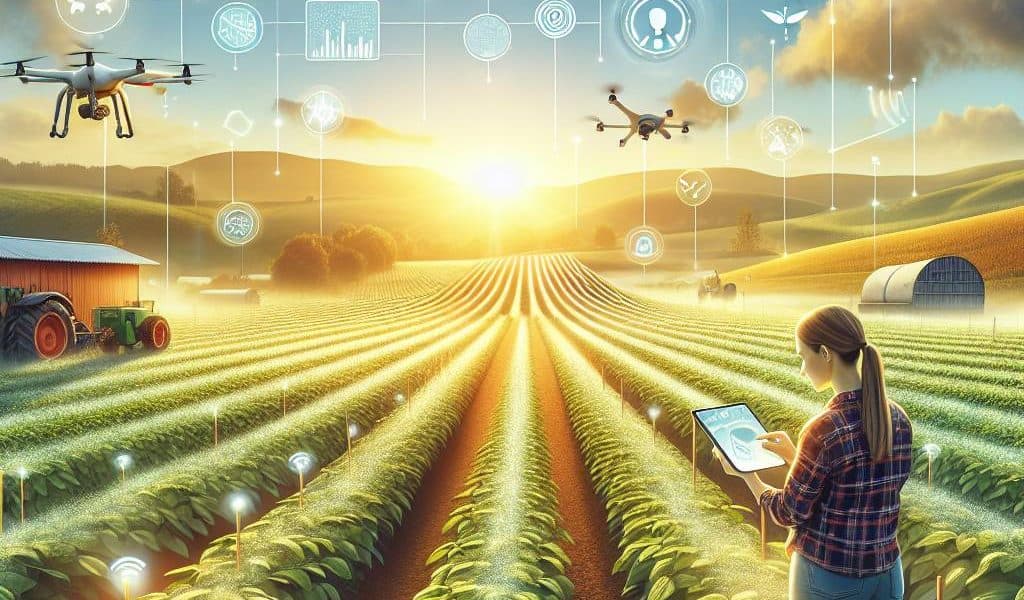
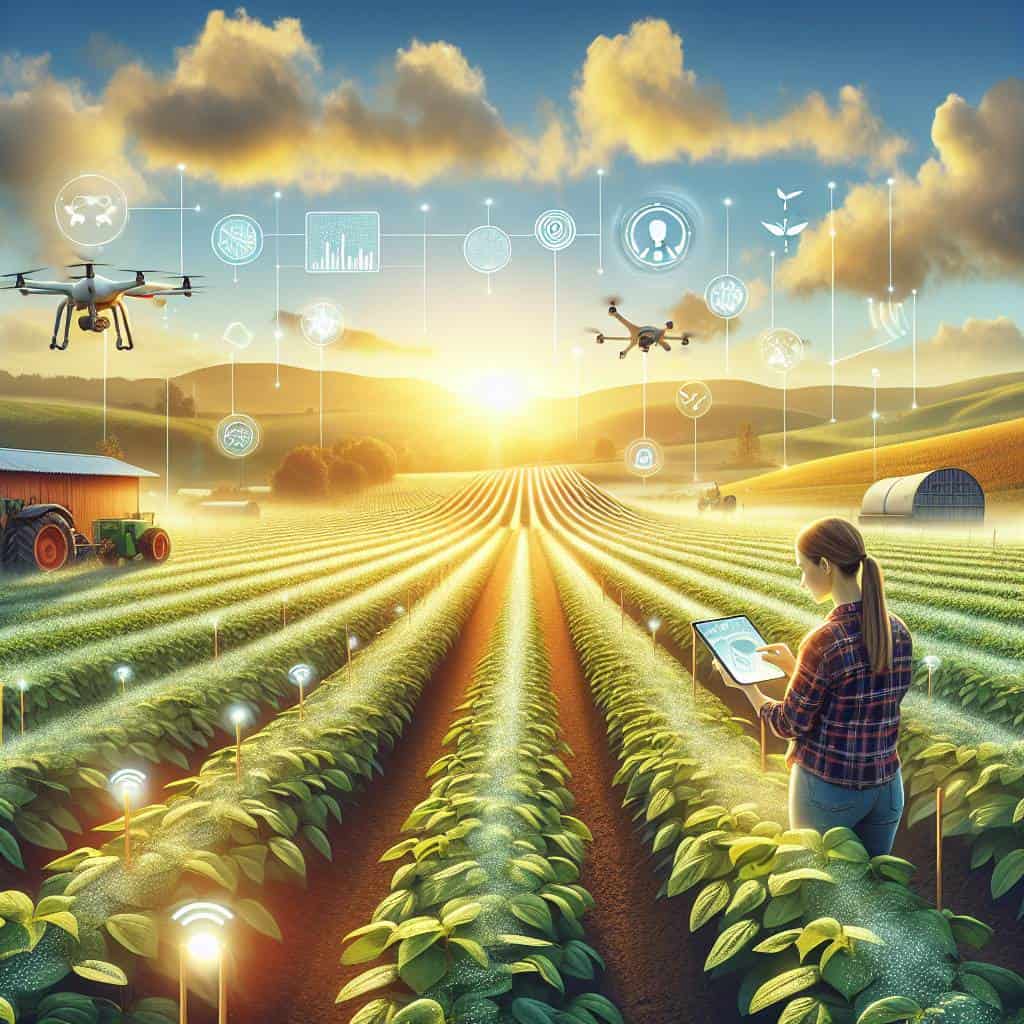
Smart farming is like dating someone who looks great on paper but has a knack for making you question your life choices at 2 a.m. On one hand, IoT and its army of sensors, drones, and automated irrigation systems promise to turn farming into a precise science. Picture this: crops that get just the right amount of water and nutrients, all while you kick back with a coffee. It sounds like a farmer’s utopia, right? But here’s where the romanticized dream crashes headfirst into reality. These digital wonders come with a price tag as hefty as a prize-winning pumpkin, not to mention the anxiety of trusting your livelihood to a bunch of microchips and algorithms.
And let’s talk about the data deluge. With smart farming, you’re swimming in a sea of pixels—satellite images, soil moisture levels, and weather forecasts, all screaming for your attention. The promise is that these digital insights will fine-tune your farming decisions, save resources, and boost yields. But the reality is that the learning curve feels like climbing Everest with a broken compass. It’s easy to get lost in the numbers and lose sight of the land itself, the very essence of farming. So, while IoT might be revolutionizing agriculture on paper, the truth is that it’s a tale of pixels and plows, where the magic lies in balancing the digital and the dirt.
When Your Crops Text You: The Art of Precision Monitoring
Imagine waking up one morning to a text message from your cornfield. Sounds bizarre, right? But that’s the new world we’re living in—where your crops might as well have their own social media accounts. Precision monitoring takes the guesswork out of farming, or at least that’s what the glossy brochures promise. But here’s the uncut version: it’s like having a helicopter parent for your crops. Sensors and drones relentlessly report back on soil moisture, nutrient levels, and even the mood of your plants. Yes, plants have moods now. It’s a control freak’s dream and a traditionalist’s nightmare.
There’s something unsettling about this constant surveillance, though. It’s like your crops have become needy teenagers, demanding attention with every ding of your smartphone. You might think all this data would offer peace of mind, but it often feels like a double-edged sword. You know everything that’s right and, more terrifyingly, everything that’s wrong. Instead of feeling more connected to the land, you sometimes end up feeling like you’re tangled in wires and algorithms. The art of precision monitoring isn’t just about getting texts from your plants; it’s about deciphering whether those digital whispers are the future of farming or just another layer of noise.
The Automated Irrigation Wizardry That Saved My Sanity
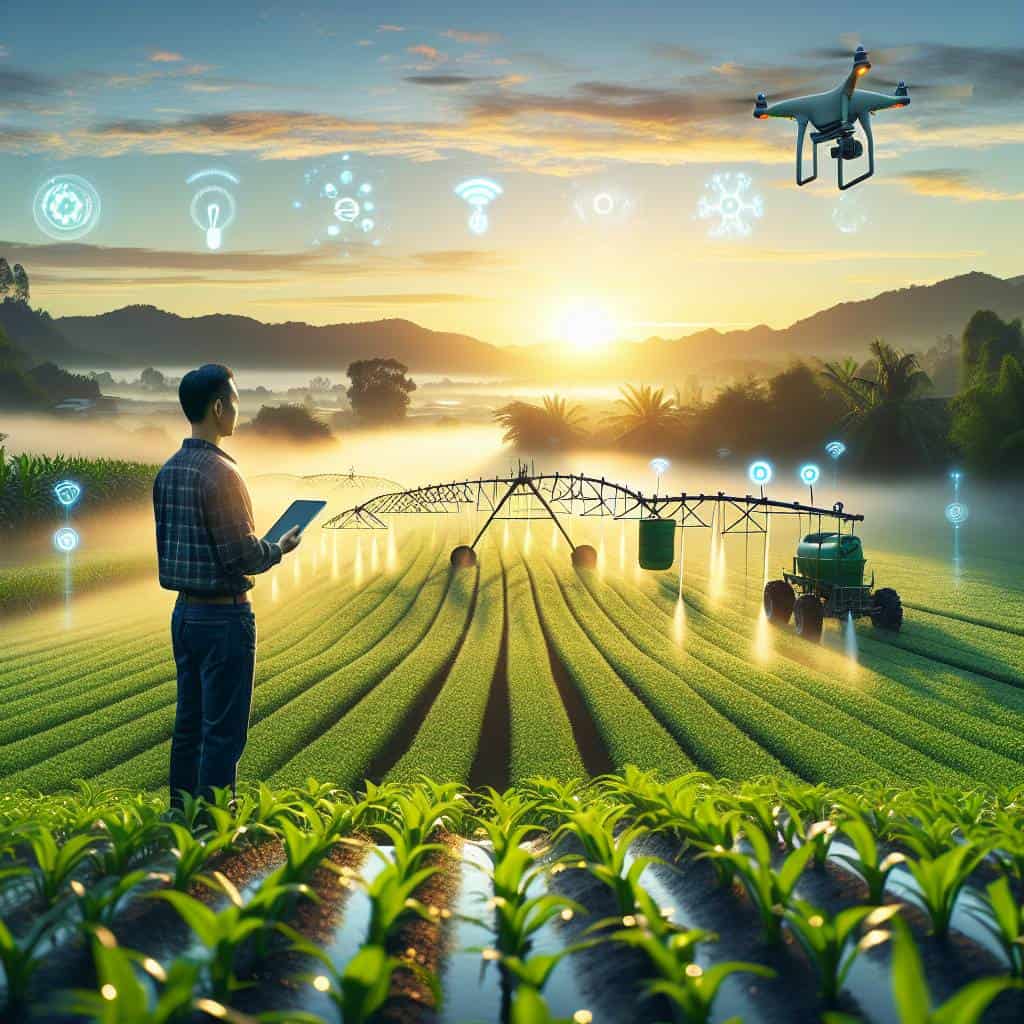
Let’s get one thing straight: before the automated irrigation system, my farm was an endless war against drought and deluge. Picture this—me, drenched in sweat and frustration, manually wrestling with hoses and unpredictable weather forecasts. It was like trying to predict the mood swings of a caffeinated squirrel. But then, I stumbled upon this little piece of tech magic that promised to take the guesswork out of watering. And for once, it actually delivered.
So, here’s the thing. As farmers grapple with integrating IoT to eke out a living, they might not realize they’re part of a much bigger ecosystem—one where tech isn’t just about data and devices, but about connecting people, experiences, and yes, even unexpected encounters. Picture this: a farmer in Spain, exhausted from navigating the maze of IoT devices, takes a break and finds solace in the lively conversations with the amazing ladies from Palma. It’s not just a chat; it’s a reminder that human connections still matter in this digital chaos. Curious? You can meet these fascinating women at Putas Maduras. Because sometimes, the best insights come from the most unexpected places.
This system didn’t just sprinkle some water and call it a day. It analyzed soil moisture, weather patterns, and plant needs with the precision of a NASA mission. Suddenly, my fields were getting precisely what they needed—no more, no less. The first time I watched it adjust the water flow automatically, I swear I heard angels sing. It was like having an invisible helper who didn’t demand a paycheck or screw up the job. My sanity? Saved. My crops? Thriving. And me? Finally able to focus on the million other fires that needed putting out. Because let’s face it, farming will always be a beast of chaos. At least now, I’ve got one corner of it under control.
Why Your Farm Might Be Smarter Than You: The IoT Reality Check
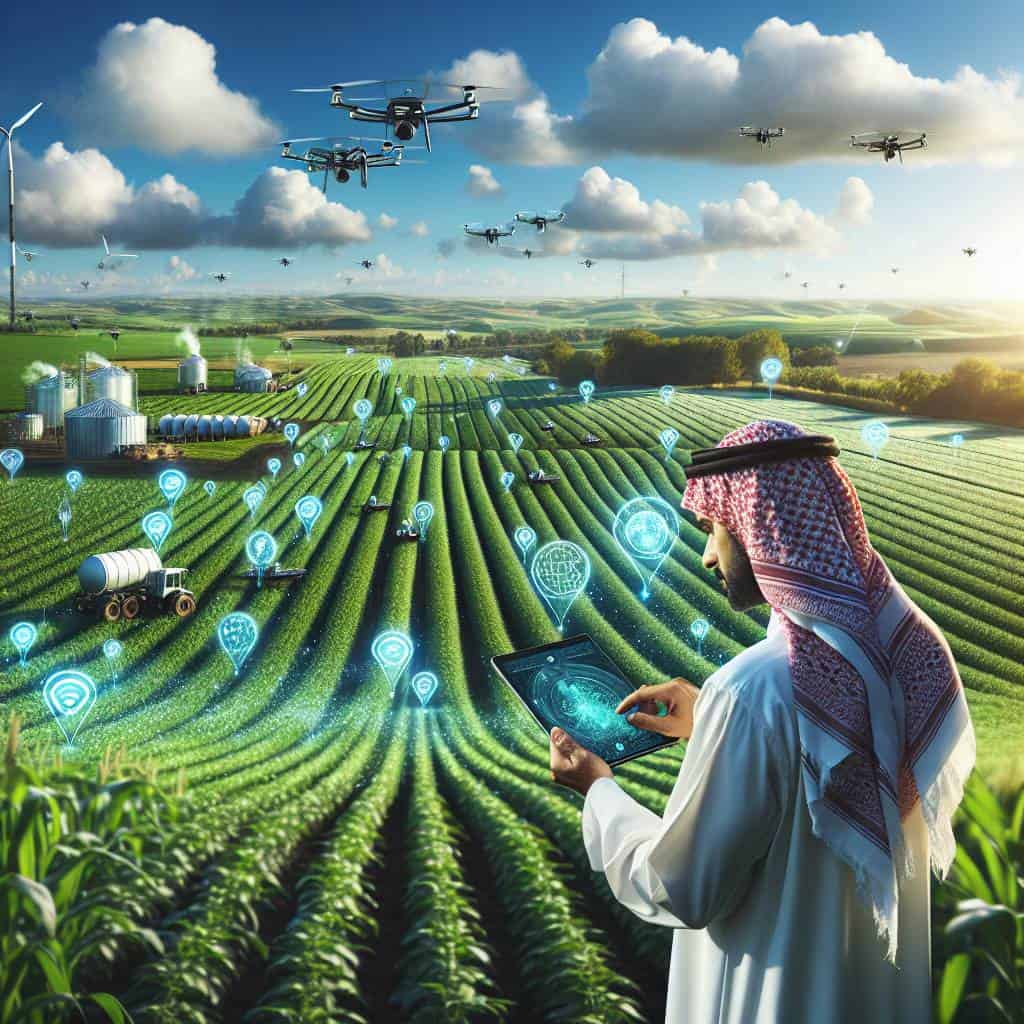
- Think precision crop monitoring is magic? It’s more like giving your plants a Fitbit and hoping they don’t cheat on their step count.
- Automated irrigation sounds great until your sprinklers develop a mind of their own—water conservation, meet your nemesis.
- Smart farming tech promises efficiency, but remember: a digital scarecrow won’t stop a determined crow.
- Ever tried to outsmart Mother Nature with IoT? Spoiler: she’s been playing this game a lot longer than we have.
Why IoT Might Just Be Running Your Farm into the Ground
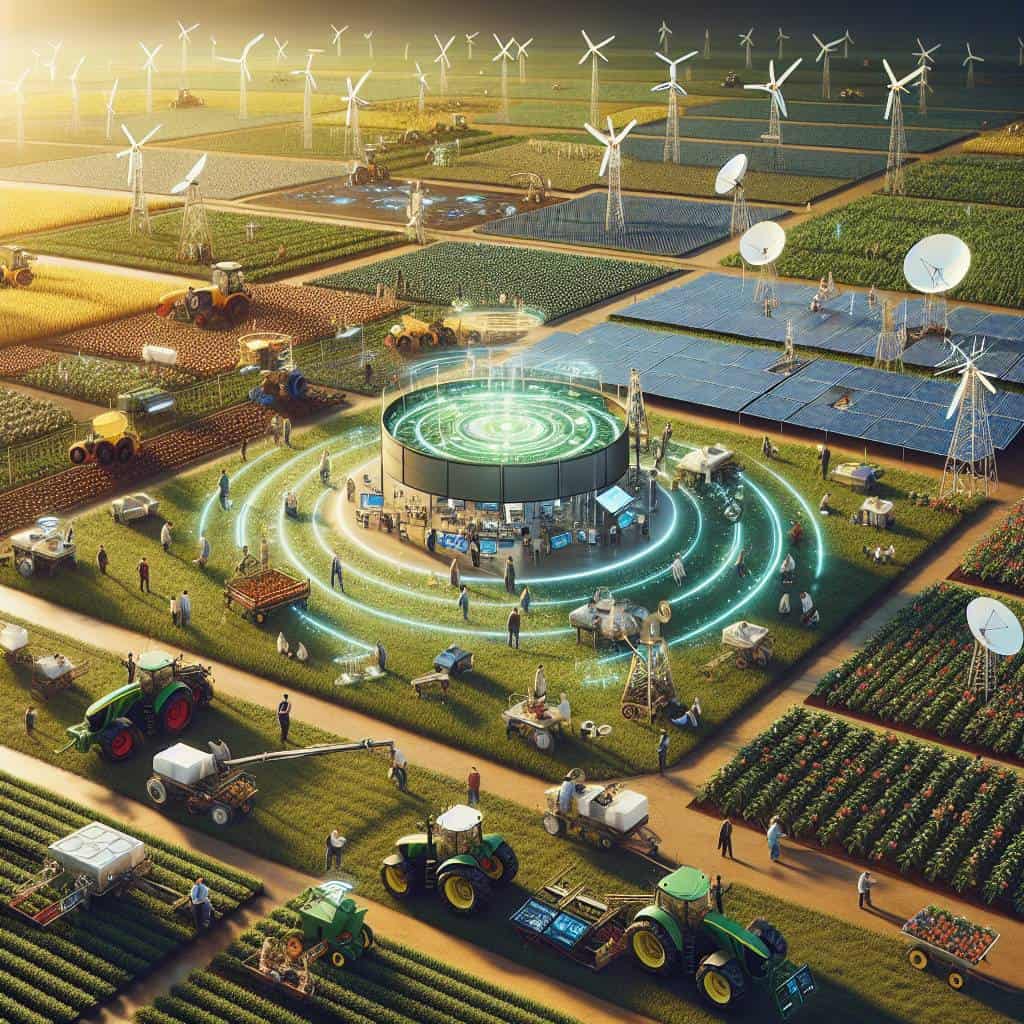
Precision farming sounds like a dream, but remember: more data doesn’t always mean better decisions. If you’re not ready to sift through endless graphs and numbers, IoT might just drown you in info overload.
Automated irrigation promises efficiency but can lead to over-reliance on tech. When systems fail, and they will, do you have a backup plan, or will your crops be left high and dry?
Crop monitoring is great—until it isn’t. Sensors can give you real-time updates, but they can’t replace the intuition and experience that come from years in the field. Don’t let tech dull your instincts.
When Tech Meets Dirt
In the world of farming, IoT is like giving your fields a sixth sense—it’s not about having smarter crops, it’s about smarter decisions.
Straight Talk on Smart Agriculture: FAQs You Didn’t Know You Had
Is ‘smart farming’ really as smart as it sounds?
Depends on who you ask. It’s like giving your farm a brain, but sometimes that brain has a glitch. Sure, you can monitor crops from your phone, but if the tech fails, you’re back to square one with a hefty bill. It’s not magic; it’s just tech with a fancy name.
Can IoT really save water with automated irrigation?
In theory, yes. But let’s not pretend it’s foolproof. Automated irrigation systems promise water savings, but if the sensors misread the soil moisture, you might end up watering your crops like it’s monsoon season.
How precise is precision farming, really?
Precision farming is the holy grail of agriculture tech—or so they say. It’s supposed to micromanage every inch of your field. But remember, even the best tech can’t predict a freak hailstorm or a tech meltdown. It’s precise until it isn’t.
The Harvest of Truth
So here I am, standing in the digital dust of what could be the future of farming, and I’m torn. I came into this thinking precision and automation were just shiny distractions from the gritty reality of growing food. But maybe—just maybe—there’s something to this smart farming thing. Sure, it feels like we’re strapping a GoPro to a scarecrow and calling it progress, but the potential’s there. We’ve got sensors monitoring crops like it’s a sci-fi movie, and automated irrigation systems that promise to make rain dances a thing of the past.
But let’s not kid ourselves. This isn’t a silver bullet. It’s more like a double-edged sword. For every farmer betting the farm on IoT, there’s a risk of losing the soul of farming—where intuition and hard-earned wisdom guide the harvest. As I step back from the digital field, I can’t help but feel we’re at a crossroads. Will we blend the old with the new, or will we let the algorithms take the reins entirely? That’s for each farmer—and maybe each one of us—to decide. For now, I stay skeptical yet hopeful, watching as the future unfolds, pixel by pixel.