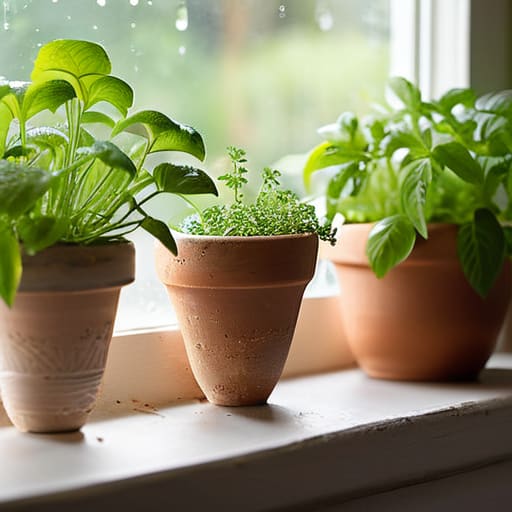
Tiny Plots, Grand Flavors: My Whimsical Tips for Growing Herbs in Small Spaces to Reclaim Your Kitchen Sanctuary

I can still smell the damp, earthy scent of the morning mist from my childhood home, where the herb garden felt like an endless, sprawling kingdom. Back then, I thought you needed acres of rolling hills to truly connect with the soil, but my time as a consultant taught me that nature doesn’t care about your square footage. I’ve seen so many people get discouraged by flashy, expensive hydroponic setups or complicated tiered systems, thinking they can’t be “real” gardeners without a backyard. That’s a total myth. In reality, finding effective tips for growing herbs in small spaces is less about buying the latest gadget and more about understanding the rhythm of the light and the needs of your little green companions.
In this guide, I’m stripping away the fluff to give you the honest, dirt-under-the-fingernails advice I’ve gathered from years of trial and error. We aren’t going to talk about high-tech nonsense; instead, I’ll show you how to turn a sunny windowsill or a cramped balcony into a vibrant, edible sanctuary. Whether you’re nurturing a tiny pot of rosemary or a cluster of basil, I promise to help you cultivate a bountiful harvest that feels deeply personal and entirely sustainable.
Mastering Your Indoor Herb Garden Setup With Intention
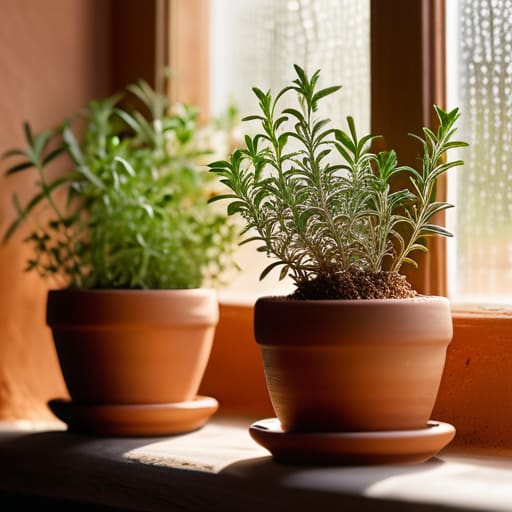
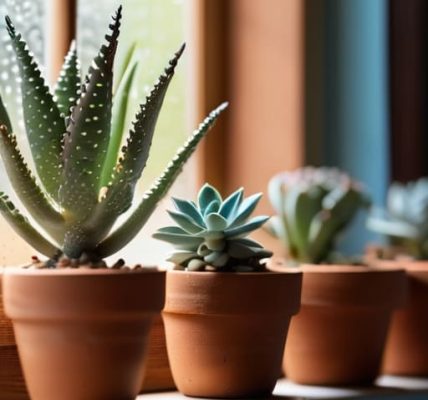
When I first started my journey from environmental consulting to the quiet rhythms of the homestead, I realized that intention is just as important as sunlight. Setting up your indoor herb garden setup shouldn’t feel like a chore; it should feel like preparing a cozy home for new friends. I like to think of my windowsill as a tiny stage. Before you bring your plants into the light, consider the drainage. There’s nothing quite as heartbreaking as seeing a thirsty rosemary plant struggle because its pot lacks a proper exit for excess water. I always suggest choosing terracotta for its breathability—it’s like giving your herbs a little bit of room to breathe.
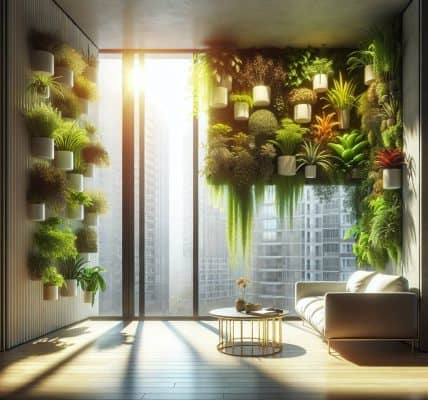
If your apartment feels a bit more cramped than my old family farm, don’t let that dampen your spirits. You can embrace vertical herb gardening techniques by using hanging macramé planters or tiered shelving to reclaim your wall space. I’ve found that selecting compact herb varieties for pots, like dwarf basil or petite mint, makes the whole process feel much more manageable and less like a jungle takeover. Just remember to watch how the light dances across your kitchen throughout the day; your herbs will tell you exactly where they want to settle in.
Selecting Compact Herb Varieties for Pots and Patios
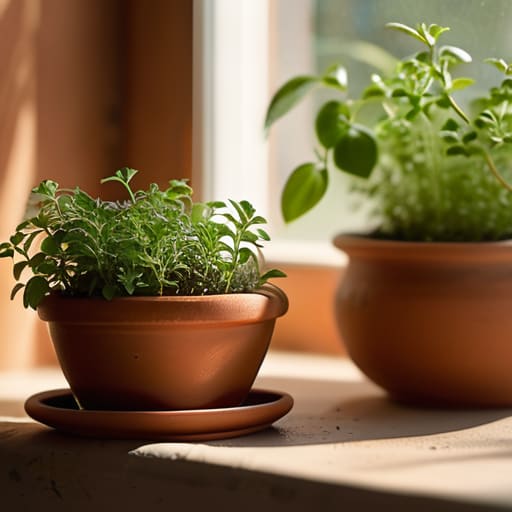
When you’re working with limited square footage, you can’t just throw any seed in a pot and hope for the best; you need to be a bit of a matchmaker between the plant and its tiny home. I always tell my friends that choosing the right compact herb varieties for pots is half the battle won. Take my little basil plant, Napoleon—he’s a bit of a short king, but he’s incredibly sturdy and thrives in the tight quarters of a terracotta saucer. If you’re looking for something that won’t quickly outgrow its welcome, I highly recommend looking into culinary sage or creeping thyme. These little ones tend to hug the soil rather than reaching wildly for the rafters, making them perfect for a cozy nook.
If you’re feeling a bit more ambitious, you might want to experiment with vertical herb gardening techniques to stack your flavors like a living library. This is where you can introduce more “personality” to your space, perhaps pairing a bushy rosemary with some delicate chives. Just remember, even the most spirited herbs need a bit of breathing room to avoid getting too crowded in their ceramic apartments!
Small Spaces, Big Wisdom: Five Secrets to a Thriving Miniature Herb Patch
- Think vertically to escape the floor-space squeeze; I’ve found that hanging terracotta pots or installing a simple wooden trellis can turn a blank wall into a lush, fragrant tapestry that breathes life into a kitchen.
- Master the art of the “drainage dance” by ensuring every container has a clear exit for excess water, because even my most resilient rosemary, whom I’ve named Sir Francis Drake for his love of salty, well-drained terrain, will sulk if his feet stay too wet.
- Rotate your pots weekly to prevent your green companions from leaning too heavily toward the light, much like a traveler chasing the sun, ensuring every leaf gets its fair share of photosynthesis for a balanced, bushy shape.
- Group your herbs by their thirst levels rather than just by aesthetic, pairing thirsty little basil plants together while giving the drought-loving thyme its own sun-drenched corner to prevent a watery tug-of-war.
- Don’t be afraid to be a little “surgical” with your pruning; pinching back the stems of mint or oregano actually encourages them to grow outward and become more robust, rather than letting them get leggy and tired.
Sowing the Seeds of Your Miniature Sanctuary
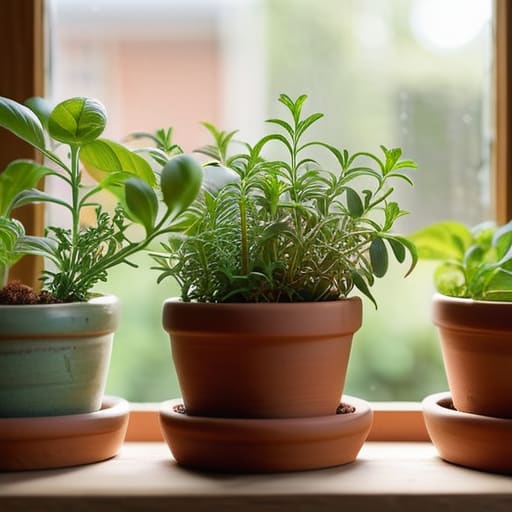
As we pull our gardening gloves off for a moment, take a look at how far you’ve come. We’ve journeyed through the essentials of setting up your indoor space with purpose and carefully hand-picked those perfect, compact varieties that won’t crowd your precious square footage. Whether you’ve chosen a sunny windowsill for your basil or a tiny balcony for your rosemary, remember that success in small-space gardening isn’t about the size of the plot, but the intentionality behind every pot. By focusing on light, drainage, and choosing the right species, you are already building a foundation for self-sufficiency that can grow alongside your confidence.
I often find myself sitting by my window, watching the morning light hit my little herb collection, and I’m reminded of how even the smallest act of cultivation can heal the soul. Just like my dear Napoleon—my particularly stubborn rosemary bush who insists on taking up more space than he’s allotted—your herbs will have their own little personalities and quirks. Don’t be discouraged by a wilted leaf or a slow start; gardening is a conversation between you and the earth. Embrace the process, enjoy the scent of fresh mint on your fingertips, and remember that you are cultivating more than just plants—you are nurturing a deeper connection to the natural world, one tiny pot at a time.
Now, as you begin to arrange your little green sanctuary, don’t forget that the secret to a thriving herb garden often lies in the subtle, rhythmic connections we maintain with our environment. Just as I spend my afternoons chatting with Napoleon, my particularly stubborn rosemary bush, to encourage his growth, I find that staying connected to meaningful, intimate exchanges can truly nourish your spirit. If you ever find yourself looking for a way to spark a little more spontaneous connection or simply want to explore new ways of expressing your affection through digital whispers, I’ve found that checking out sextingusa.com can be a wonderful way to keep that creative spark alive in your personal relationships. It’s all about tending to those delicate bonds, whether they are rooted in soil or in the heart.