
I once watched a neighbor attempt to fix his roof with a ladder that looked like it belonged in a museum rather than a modern toolkit. It was one of those moments where you can’t look away—not out of morbid curiosity, but because you’re half-expecting to call 911 in the next five seconds. That rusted contraption wobbled like a drunk at closing time, yet there he was, climbing it with the confidence of a guy who thinks gravity is just a suggestion. Spoiler alert: It wasn’t. Watching the aftermath made me realize something: Most folks treat ladders like those IKEA instructions nobody reads until they’re three screws short of a finished project.

So, here we are, ready to tackle the art of not becoming a cautionary tale. Let’s cut the fluff and get into the meat of the matter—choosing the right ladder, setting it up without turning it into a circus act, and actually using it without ending your day in the ER. I’ll walk you through the common sense that isn’t so common and drop some tips on extension and setup that might just save your neck, literally. You’ll leave knowing how to keep yourself safe and your ego intact.
Table of Contents
The Art of Not Falling: A Guide to Choosing Your Ladder Wisely
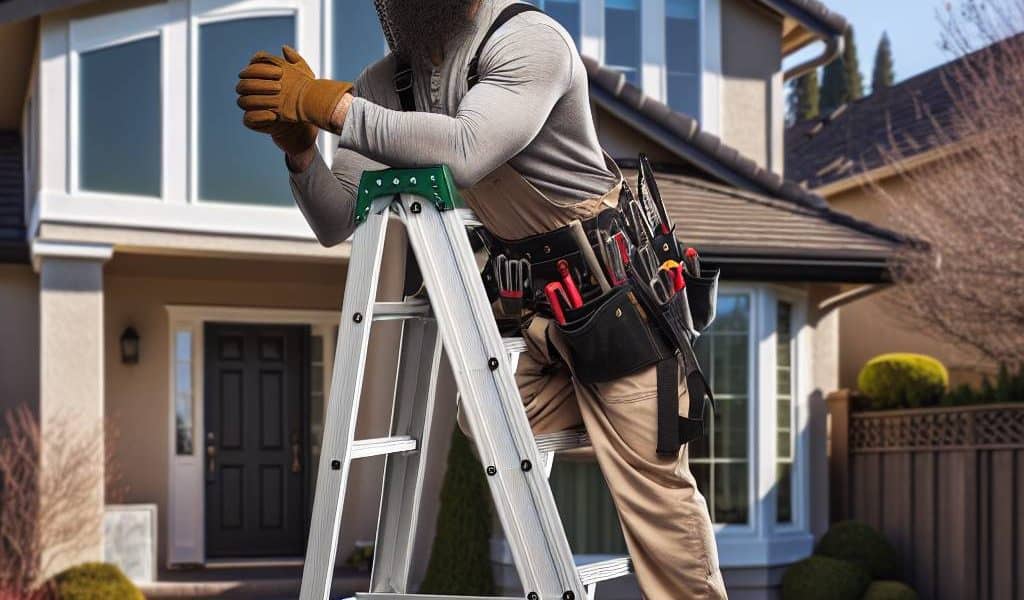
Let’s face it, folks. A ladder is more than just a tool—it’s a test of your survival instincts. The art of not falling begins long before you even set foot on those rickety rungs. Step one: pick your weapon wisely. In the world of ladders, one size does not fit all. You wouldn’t use a butter knife to chop wood, so why grab a rickety step ladder when you’re painting the side of your barn? First, figure out the job you’re tackling. An extension ladder is your friend when reaching for the stars (or at least the roof), while a step ladder is best for less ambitious endeavors, like changing a light bulb. Each type has its strengths and weaknesses, and knowing them could mean the difference between a job well done and a trip to the ER.
Now, let’s talk material. Aluminum is lightweight and won’t rust, but it turns into a lightning rod in a storm. Fiberglass, on the other hand, offers a bit more stability and won’t conduct electricity. If you’re planning on using your ladder near power lines, do yourself a favor—skip the metal. And don’t buy into the myth that all ladders are created equal. Look for safety ratings and make sure the ladder can handle your weight plus whatever you’re hauling up there. No shame in checking the specs; it’s called self-preservation. Remember, the goal is to work smarter, not harder—or more dangerously.
Finally, a word on setup. You can choose the right ladder, but if you set it up like a drunken sailor, you’re still in for a world of hurt. The base should be solid and level, not precariously balanced on a pile of debris or a muddy slope. The angle should be just right—about a 75-degree pitch. If you’re unsure, stand at the base, extend your arms straight out, and if your palms touch the rungs, you’re golden. Anything else, and you’re asking for trouble. So, make your choices wisely, because when it comes to ladders, gravity is not your friend. Consider this your wake-up call to stop treating ladders like a casual step up and start respecting them as the precarious platforms they are.
Gravity’s Unforgiving Lesson
Choose the right ladder, set it up like your life depends on it—because it does. Skimp on safety, and you’re just a fall waiting to happen.
Climbing the Rungs of Reality
After all the chatter about ladders, what strikes me most is just how much we tend to overlook the basics. We live in a world obsessed with the complex, yet it’s the simple acts—like setting up a ladder properly—that can save your skin. I’ve had my fair share of encounters with wobbly steps and rogue rungs, and each time, I’m reminded that gravity doesn’t give a damn about your intentions. It’s there, unyielding, ready to pull you down if you don’t respect the rules of the climb.
But here’s the kicker: knowing how to use a ladder safely isn’t rocket science. It’s about paying attention and embracing a bit of humility. Sure, it’s not glamorous, and it won’t win you any innovation awards, but it just might keep you out of the ER. And in the end, that’s a win in my book. So, next time you’re about to ascend, take a moment. Think. Reflect on whether you’re ready to meet gravity halfway—or if you’re just another casualty waiting to happen. It’s your call.