
I’ve always had a knack for killing plants. It’s like my superpower. But one summer, in a fit of misguided optimism, I decided to give gardening another shot. This time, I thought, why not grow something that could at least die with dignity on my dinner plate? Enter edible flowers. Not just any flowers, mind you—I’m talking about those fancy ones you see on Instagram that make salads look like overpriced art projects. My garden was about to become the world’s smallest, most colorful buffet.
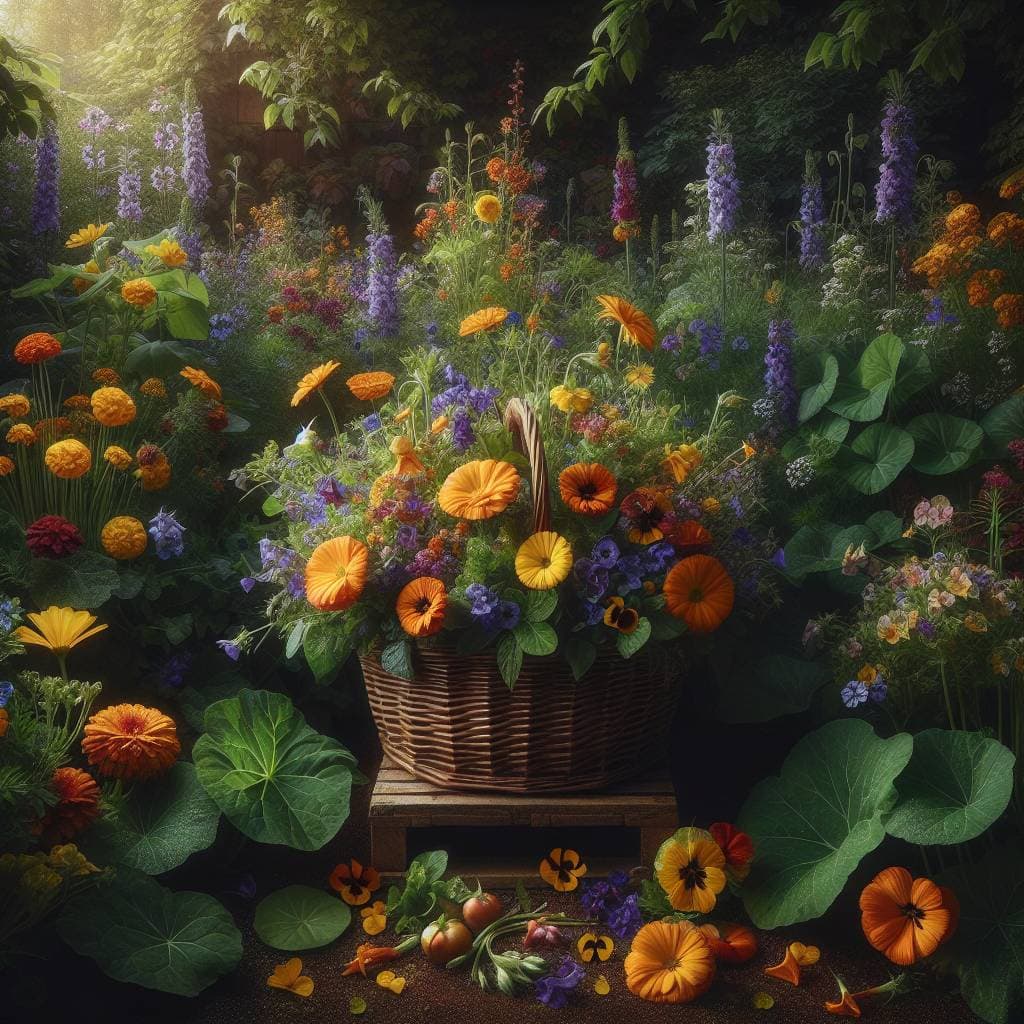
Now, if you’re as curious (or as hopelessly stubborn) as I am, you’re in for a treat. We’re diving into the world of edible flowers like nasturtiums and violas, which are basically the gateway drugs for this hobby. And let’s not forget calendula, because who doesn’t want a flower that sounds like a mythical creature? Stick around, and we’ll explore how adding a sprinkle of these blooms can turn your backyard into a gourmet salad bar, no pretentious cooking classes required.
Table of Contents
The Day I Realized Calendula Wasn’t Just a Fancy Word for Marigold
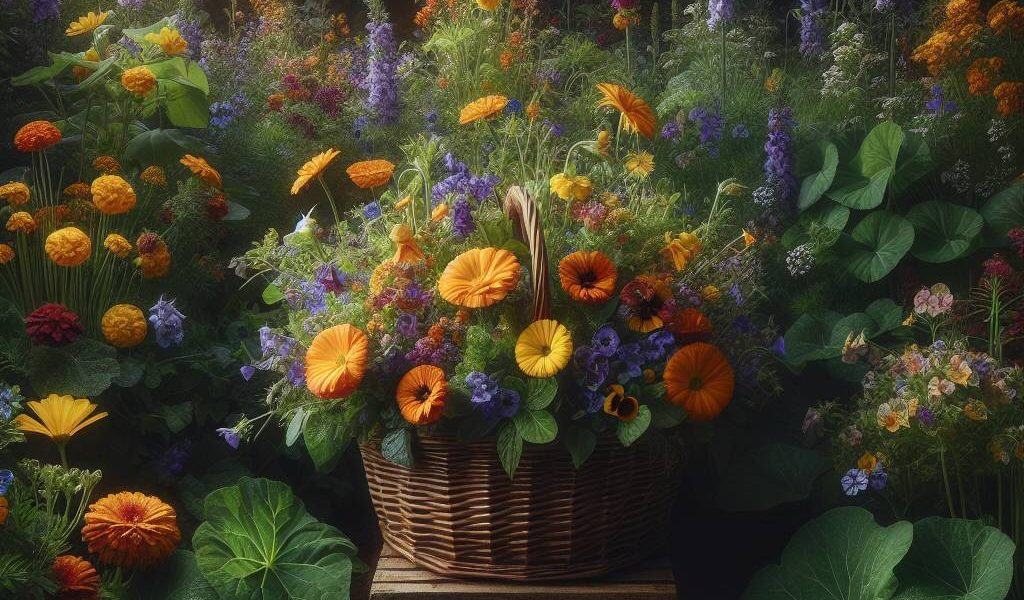
There I was, standing in my overgrown garden, mud on my boots and a crick in my back, when it hit me: calendula isn’t just a pretentious term for marigold. Sure, they look alike—both flaunting their sunny yellows and oranges like they’re auditioning for a spot in a 70s flower power poster—but they’re not the same. I used to toss the term “calendula” around as if it was a secret handshake among gardeners, assuming it was a marigold’s fancier cousin. Turns out, I was wrong. It’s a bit like assuming every dog is a Labrador because they all have four legs and a tail.
Calendula has this magical quality that marigolds don’t. It’s edible, and not in the “I’m in a survival situation and will eat anything” kind of way. No, calendula is a bona fide culinary chameleon. You can sprinkle its petals on a salad to make it look like you actually tried. Plus, it doesn’t just sit there looking pretty; it brings a peppery zing to the party. And in a world where “edible flowers” often translate to “tastes vaguely like grass,” calendula is a revelation. It’s the kind of ingredient that nudges your weekend garden salad from “meh” to “I could charge $12 for this.”
The day I realized calendula wasn’t just a fancy word for marigold was the day I stopped seeing my garden as a mere collection of plants. It became a pantry, a treasure trove of unexpected flavors waiting to be discovered. Alongside the spicy kick of nasturtiums and the delicate sweetness of violas, calendula adds a dash of sunshine to any dish. It’s not just about aesthetics; it’s about experiencing your garden in a whole new way. Who knew that the path to culinary enlightenment could start with a flower that’s been hiding in plain sight all along?
The Floral Feast Unveiled
Calendula, nasturtiums, and violas: not just garden dwellers, but the unsung heroes that transform your salads from mundane to magnificent.
When Flowers Become More Than Just Eye Candy
So, what do I really think about tossing flowers into my salad bowl? It’s a bit like inviting a peacock to a hen party—unexpected, a little flashy, but undeniably the life of the party. I’ve learned that nasturtiums aren’t just for Instagram influencers, and violas do more than look pretty in a vase. They’re conversation starters, the culinary equivalent of wearing a hat indoors. But let’s be honest, it’s not about adding a splash of color to your greens. It’s about embracing a bit of whimsy in a world that’s often too serious.
My rural upbringing taught me to appreciate the practical, the tangible. And here I am, finding unexpected joy in something as seemingly frivolous as edible flowers. Calendula, once a mystery word, now feels like an old friend—one that reminds you to see beauty where you least expect it. So, here’s to giving our gardens a purpose beyond just surviving the next frost. Here’s to making salads that don’t just nourish the body but also feed the soul—one petal at a time.