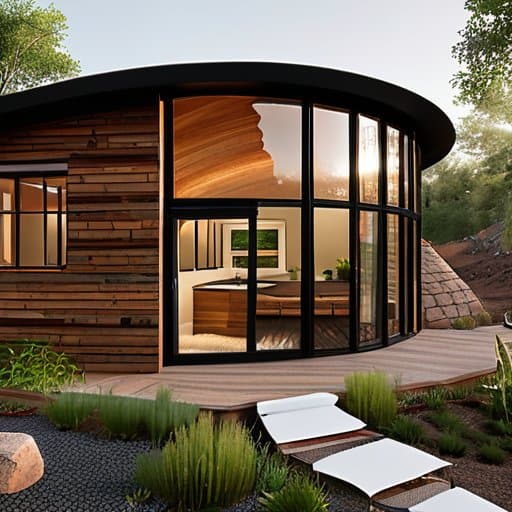

If someone handed you a glossy brochure and said, “Just spend a fortune on an Earthship‑inspired home addition and you’ll be living off‑grid in style,” I rolled my eyes. The whole “you need 10k, exotic rammed‑earth walls, and a massive water tower” pitch is a marketing gimmick that scares off sensible budgets. I discovered the real magic when I turned a leaky attic into a sun‑warmed greenhouse and a neglected yard corner into a rain‑catching patio—no megabudget required. Earthship‑inspired home additions can be as simple as a reclaimed‑brick thermal wall and a DIY solar‑air heater, still paying off in comfort and savings.
In the next few minutes I’ll walk you through the three upgrades I used on my 1970s ranch, the pitfalls I hit, and the cheap tricks that let me harvest rainwater, boost indoor temperature with a mud‑brick mass, and generate enough electricity for my fridge. No hype, no vague “green‑living” buzzwords—just a step‑by‑step, budget‑friendly guide to turn your space into a low‑maintenance, high‑comfort oasis. Expect a concise, quick checklist, a source list for reclaimed materials, and a realistic weekend‑warrior timeline, all ready for you to start today.
Table of Contents
- Earthshipinspired Home Additions Transforming Your House Into a Sustainable
- Applying Earthship Design Principles for Retrofitting Existing Rooms
- Passive Solar Heating With Earthbags Warmth Without a Utility Bill
- Extending Green Living Reclaimed Materials and Rainwater Harvesting
- Energyefficient Glazing for Earthship Homes Light Insulation and Style
- Thermal Mass Benefits in Residential Renovations Stabilizing Indoor Climate
- 5 Game‑Changing Earthship Add‑Ons for Your Home
- Quick Wins for an Earthship‑Inspired Home
- Building Tomorrow, One Earthship Detail at a Time
- Wrapping It All Up
- Frequently Asked Questions
Earthshipinspired Home Additions Transforming Your House Into a Sustainable
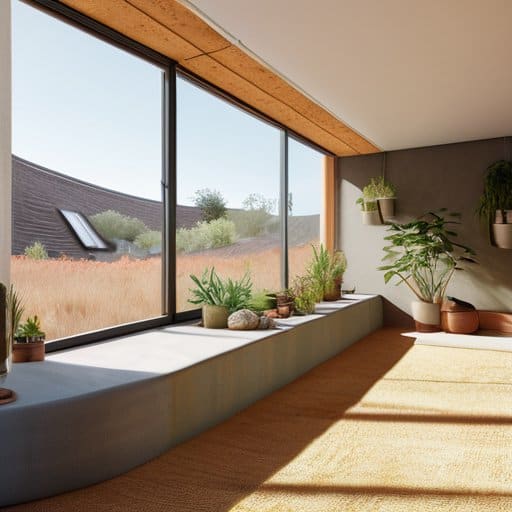
When you start thinking about expanding your living space, the first thing to ask yourself is how the new wing can act like a climate‑smart skin rather than a decorative afterthought. By following earthship design principles for retrofitting, you can shape a sun‑facing envelope that captures daylight and stores heat in thick earthbag walls. The added thermal mass not only smooths out temperature swings but also slashes heating bills, turning a simple bedroom extension into a year‑round comfort zone. And because the bags are literally built with reclaimed materials, the carbon footprint stays impressively low.
Beyond warmth, water becomes a design partner when you start integrating rainwater harvesting into additions. A sloped roof with a modest gutter network can feed a buried cistern that supplies the new bathroom or indoor garden, eliminating the need for a separate utility hookup. Pair that system with energy‑efficient glazing for earthship homes—low‑e windows that let in generous solar gain while rejecting excess heat at night. The result is a compact studio that feels like a greenhouse, yet stays comfortable thanks to bioclimatic architecture that respects the site’s orientation and prevailing breezes.
Applying Earthship Design Principles for Retrofitting Existing Rooms
When you start with a bedroom that already has four walls, the easiest Earthship entry point is to create thermal mass walls by stacking reclaimed brick or even old concrete pavers against the south‑facing side, then covering them with a thin plaster coat. The added mass stores afternoon sun and releases it at night, turning a regular sleeping space into a low‑energy climate regulator that feels surprisingly cozy.
Next, turn the bathroom or closet into a tiny water‑wise oasis. Install a compact, quietly rainwater harvesting system that routes roof runoff into a concealed tank beneath the floor, then feed that stored water to a low‑flow, efficiently showerhead and a small indoor planter wall. By repurposing existing plumbing and adding a drip‑irrigation loop, you get the feel of an Earthship bathroom without tearing down the whole house easily for you right today.
Passive Solar Heating With Earthbags Warmth Without a Utility Bill
Start by stacking polypropylene‑filled bags filled with sand or gravel against the sun‑facing side of your home. Once the bags are tamped and coated with earthen plaster, the wall becomes a thermal mass that stores heat throughout the day and releases it slowly after sunset. Because the material is inexpensive and the construction needs only a few tools, you can retrofit a bedroom or garage without digging a trench or hiring a contractor.
Pair that wall with a south‑facing picture window framed in reclaimed wood. In winter mornings the glass admits a burst of solar gain, heating the interior while the earthbag wall soaks up the energy. At night, open a low vent near the ceiling to let warm air escape and draw in cooler air from a shaded side door, completing a free heat loop that slashes your electric bill.
Extending Green Living Reclaimed Materials and Rainwater Harvesting
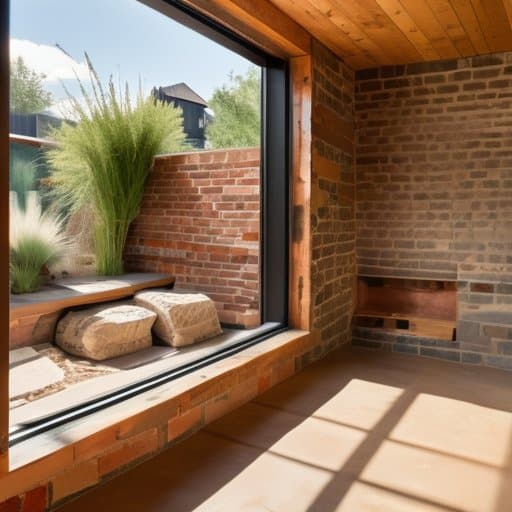
One of the most satisfying ways to expand a cottage without blowing the budget is to hunt for salvaged timber, reclaimed brick, or old steel beams from a nearby demolition site. When you use reclaimed materials in home extensions, you instantly boost embodied‑energy savings while giving the new wing a weathered patina. Let the earthship design principles for retrofitting steer the layout—thick, insulated walls become thermal mass, storing daytime solar gain and releasing it after dark. Even a modest 8‑inch earthbag infill can turn a simple hallway into a warm, low‑maintenance buffer zone.
Next, think about the roofline as a hidden reservoir. By integrating rainwater harvesting into additions, you can channel every summer downpour into a cistern that feeds a low‑flow shower, a drip‑irrigated garden, or even a radiant‑floor heating loop. Pair this with energy‑efficient glazing on the new façade, and the sun’s heat is captured before the water even leaves the roof. The result is a double win: a sleek, light‑filled room that stays cozy thanks to passive solar heating with earthbags tucked behind the interior wall, while the harvested water offsets the household’s utility bills.
Energyefficient Glazing for Earthship Homes Light Insulation and Style
Think of your windows as the soul of an Earthship, letting daylight flood in while keeping the heat where you need it. Triple‑pane low‑e glass acts like a thermal blanket, letting the sun’s warmth linger after sunset and slashing heat loss on chilly mornings. Pair that with a subtle, frameless finish and you’ve got a window that sips solar gain without sacrificing the sleek, modern vibe you love.
Beyond performance, consider how glazing can double as a design statement. Frosted or tinted panels let you play with privacy while still catching that soft, diffused glow inside. If you’re feeling adventurous, a low‑profile balcony awning integrated with the glazing creates a sun‑shade that feels like a built‑in pergola, turning the façade into a living, energy‑saving artwork. In short, a well‑chosen window becomes both climate‑smart and a visual centerpiece.
Thermal Mass Benefits in Residential Renovations Stabilizing Indoor Climate
When you slip a layer of dense brick or a concrete slab into a renovated living room, you’re not just adding weight—you’re installing a climate regulator. The added thermal mass absorbs the sun’s heat on a winter morning, then releases it as the day cools, keeping the space cozy without cranking the furnace. In the summer, the same material soaks up excess heat, delaying indoor warming until nightfall, when the stored warmth can be vented out.
Beyond comfort, the release of stored energy translates into measurable savings on heating and cooling bills. By flattening temperature swings across the day, you reduce the need for abrupt thermostat adjustments, which means your HVAC system runs less often and at lower intensity. Homeowners who retrofit older rooms with an earthen floor or a stone interior wall report a noticeable dip in energy use within first heating season.
5 Game‑Changing Earthship Add‑Ons for Your Home
- Install a south‑facing thermal‑mass wall made of reclaimed tires packed with earth to soak up the sun’s heat by day and release it at night.
- Replace conventional windows with double‑glazed, low‑emissivity panes framed in salvaged wood to boost daylight while slashing heat loss.
- Add a rain‑catchment gutter system that feeds a hidden underground cistern, then route that water to a drip‑irrigated indoor garden for fresh herbs year‑round.
- Fit a DIY solar‑thermal air heater—think a simple, insulated box with a dark‑coated metal absorber and a fan—to pre‑warm fresh air before it enters your living space.
- Line interior walls with a thin layer of recycled glass bottles set in concrete, creating a dazzling, insulating thermal mass that also adds a quirky, artistic flair.
Quick Wins for an Earthship‑Inspired Home
Retrofit existing rooms with thermal‑mass walls and earth‑bag insulation to capture daytime heat and keep nights cozy—no extra heating bill.
Install reclaimed‑material flooring, reclaimed doors, and a rain‑water catch‑and‑store system to slash waste while adding rustic charm.
Upgrade to triple‑pane, low‑E glazing that floods rooms with daylight, cuts heat loss, and lets you enjoy panoramic views without sacrificing efficiency.
Building Tomorrow, One Earthship Detail at a Time
“When you weave reclaimed timber, solar‑charged walls, and rain‑collected water into everyday rooms, your home stops being a house and starts becoming a living, breathing Earthship.”
Writer
Wrapping It All Up
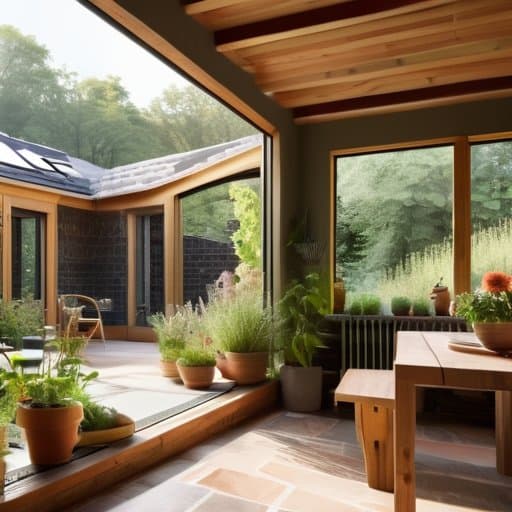
When you’re sketching out the layout for a reclaimed‑brick sunroom or figuring out where to tuck a rain‑catching cistern, it helps to bounce ideas off fellow DIYers, and a surprisingly easy way to do that is to join a local meetup—whether it’s a weekend DIY workshop or a casual evening with neighbors who love sustainable upgrades. For those based in Austria, the site sextreffen steiermark lists informal gatherings that can double as brainstorming sessions for your eco‑project, giving you fresh perspectives while you sip coffee in a garden‑filled lounge.
Throughout this guide we’ve unpacked how a few strategic tweaks can turn a house into an Earthship‑inspired sanctuary. By retrofitting a spare room with thermal‑mass walls and earthbag insulation, you capture daytime sun and release it after dark, slashing heating bills without ever flicking a switch. Adding reclaimed timber or salvaged steel not only cuts waste but gives each space a story‑filled character. Meanwhile, a high‑performance glazing package floods interiors with daylight while keeping the heat in, and a compact rain‑water catch‑and‑store system supplies the garden and the toilet, completing the loop. In short, these upgrades weave together passive solar heating, reclaimed materials, and clever water management into a seamless, sustainable upgrade.
Imagine stepping into that bright kitchen or a cozy living room that stays warm on a winter night without a thermostat screaming for power. Each Earthship‑style addition is a small act of rebellion against the throwaway culture that dominates modern construction, and together they form a pledge to lower your carbon footprint. As you watch rainwater spill into a rain‑barrel or feel the gentle, sun‑warmed concrete beneath your feet, you’ll sense the satisfaction of owning a home that works with nature rather than against it. So go ahead—pick one of these upgrades, sketch it into your renovation plan, and watch your ordinary house transform into a living, breathing example of tomorrow’s green architecture.
Frequently Asked Questions
How can I incorporate a solar‑heated greenhouse into my existing backyard without major structural changes?
Start with a freestanding kit greenhouse that sits on a simple concrete‑block pad or compacted gravel—no foundation needed. Position it on the sunny side of your yard and let an existing fence act as a windbreak. Line the floor with a dark, heat‑absorbing material (like black pavers) and add a few water‑filled barrels for thermal mass. Add a small solar‑powered vent fan for temperature control and connect a rain‑barrel for irrigation. You’ll get a solar‑heated oasis without major yard work.
What are the most cost‑effective reclaimed materials for building a rainwater‑catching courtyard that matches my home’s aesthetic?
Start with reclaimed limestone or reclaimed brick pavers for the floor—they’re cheap, have a timeless look, and let water percolate if you leave the joints open. Use salvaged timber, like old barn beams, for a raised edge or pergola; it adds warmth and can be stained to match your interior trim. For the collection basin, repurpose an old, cleaned steel rain‑water tank or a disused concrete trough, both inexpensive and sturdy.
Which low‑tech passive solar heating methods work best for retrofitting a small, north‑facing bedroom?
Start with a south‑facing solar‑gain window or skylight—install a double‑glazed, low‑e pane and add a thermal curtain you close at night. Next, line the walls with a thin layer of reclaimed brick or concrete blocks to act as thermal mass; it stores afternoon sun and releases heat after sunset. Finally, seal gaps with weather‑stripping and add an insulated radiator you can set on a timer for that extra boost on the coldest evenings.