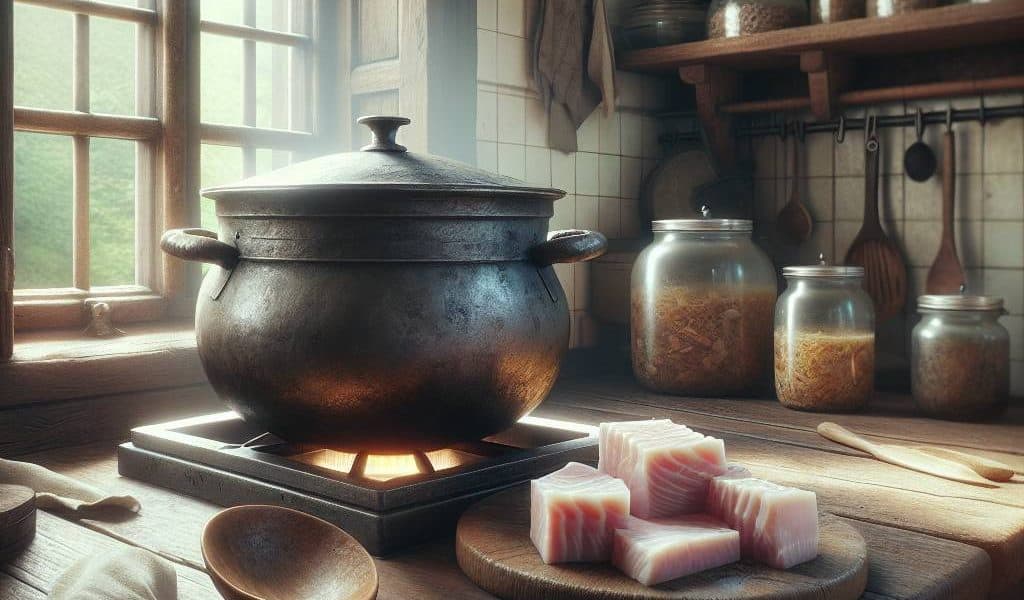

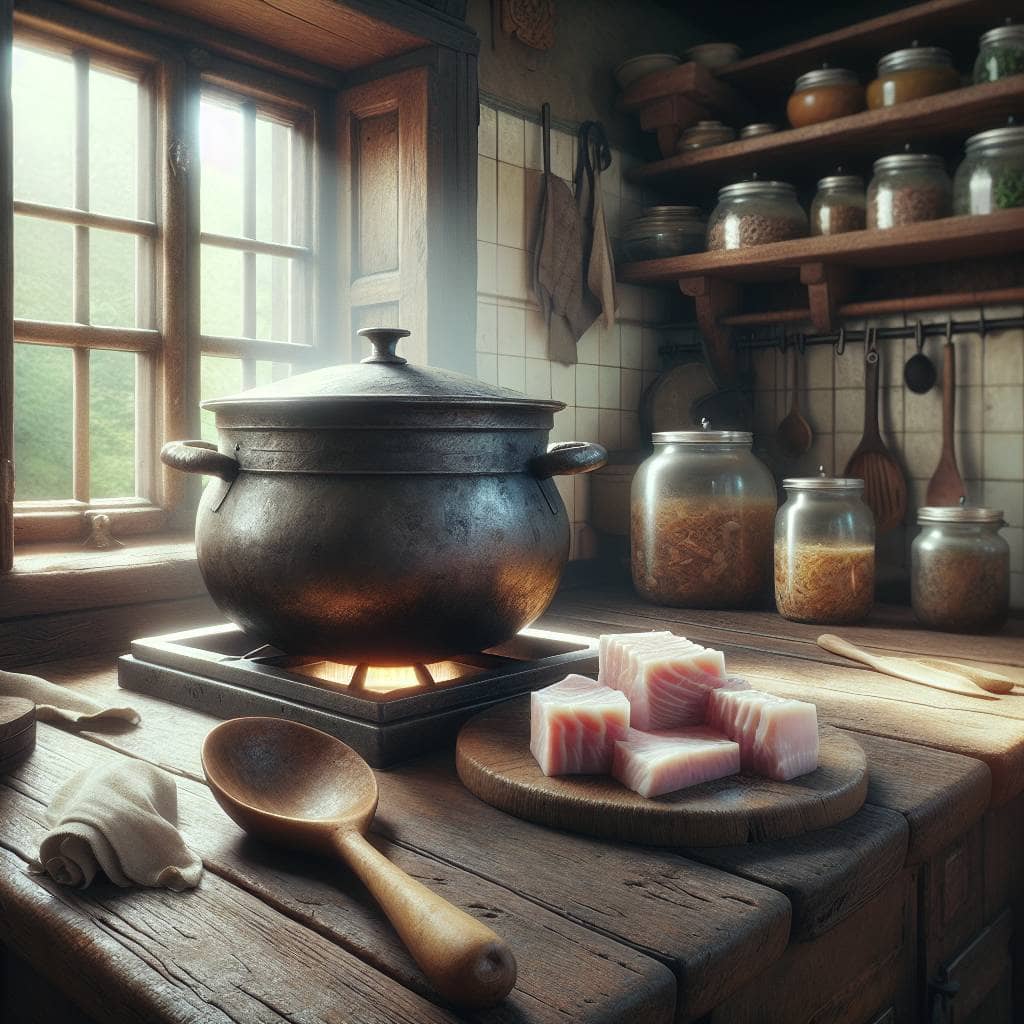
I still remember the first time I decided to tackle the age-old art of rendering lard. Picture this: me standing in my cramped kitchen, armed with a questionable second-hand pot and a mountain of pork fat that looked like it could grease the wheels of a steam locomotive. The whole endeavor felt like a throwback to a simpler time when people actually knew where their food came from. And, honestly, I thought I’d be out of my depth. The aroma that filled the room was… let’s just say, “acquired.” But beneath that pungent cloud, there was a strange satisfaction in knowing I was about to turn something most folks pitch straight into the trash into a savory treasure.
Now, if you’re still with me and haven’t clicked away in search of a more perfumed pursuit, here’s what you can expect. I’m about to walk you through the messy magic of rendering lard and tallow, a skill that’s as much about self-reliance as it is about flavor. We’ll dive into the nitty-gritty of using animal fats in cooking, explore why homesteading skills like these are worth their weight in gold, and maybe even convince you that a bit of kitchen chaos is a small price to pay for a taste of the past. So roll up those sleeves and let’s get into the real grit of it all.
Table of Contents
How I Discovered the Magic of Animal Fats: A Culinary Adventure
It all started with a pig. Or rather, a whole hog, splayed out on the butcher’s block, whispering promises of culinary alchemy. In my quest for self-sufficiency and truth—two things you can’t buy in a grocery store—I stumbled into the world of animal fats. We’re talking lard and tallow, folks. The unsung heroes of the kitchen that your grandmother probably swore by. And let me tell you, once I discovered the magic lurking in these humble fats, I never looked back.
Picture this: a kitchen filled with the savory aroma of pork slowly rendering down to a silky, white gold. I learned that rendering my own lard was akin to bottling up the rustic essence of the farm itself. It wasn’t just about the cooking; it was about reclaiming a lost skill, a connection to the land, and the satisfaction of making something with my own two hands. When you’re standing over a pot, stirring and simmering your way to culinary enlightenment, you realize that these fats aren’t just ingredients—they’re time machines, transporting you back to a time when food was real and cooking was an art.
And then there was tallow. Beef fat, rendered into a rich, buttery substance that transformed my humble potatoes into crispy, golden revelations. I remember my first batch, watching the chunks of beef fat surrender their essence over a low flame. It was messy, sure, and my kitchen looked like a small-scale grease fire had gone rogue, but the result? Worth every greasy splatter. Tallow became my secret weapon, adding depth to everything from pie crusts to roast vegetables. It was like discovering a hidden chapter in the culinary playbook—one that taught me the value of simple, honest ingredients and the joy of a homemade mess.
The Alchemy of Fat
Transforming animal fat into lard or tallow isn’t just cooking; it’s reviving a lost art. It’s about taking what most folks might toss and turning it into something sublime for your skillet and soul.
From Farm to Table: The Grease That Binds Us
In the end, rendering lard and tallow isn’t just about the practical perks of cooking with animal fats. It’s about embracing a piece of our past, a skill passed down through generations that connects us to the land and each other. There’s something oddly satisfying about taking what others might see as waste and transforming it into a culinary cornerstone. It’s a reminder that in a world obsessed with convenience, sometimes the old ways offer a richness that can’t be bought in a box.
Homesteading has taught me that there’s beauty in the mess, wisdom in the chaos of doing things yourself. The process of rendering fat, with its distinct aroma and tactile grit, is a humble nod to the resilience of our forebears. And as I stand by the stove, stirring that bubbling pot of potential, I realize it’s not just the lard or tallow I’m creating. It’s a connection—a greasy, golden thread weaving through time, tethering me to a simpler, more genuine way of living. So, here’s to the art of getting our hands dirty, to the messes worth making, and to the flavors that remind us of home.