
I once thought making fruit vinegar was just for those with too much time on their hands and a penchant for Pinterest. But there I was, in my kitchen, staring at a pile of apple scraps I couldn’t bring myself to toss. The city me would have thrown them out without a second thought. The rural me, however, saw potential. Maybe it was the quiet of the countryside getting to me, or perhaps the thought of buying overpriced vinegar at the store was just too much to bear. Either way, I decided to take the plunge into the murky waters of homemade concoctions.
So here’s the deal: I’m diving headfirst into the world of fermentation, and I’m dragging you along for the ride. We’ll explore how to transform those forgotten apple cores and skins into something that’ll make your salads sing. No fluff, no nonsense—just a practical guide peppered with my own mishaps (because who doesn’t love a good disaster story?). By the end of this, you’ll know exactly what to do with those scraps and why you’ll never look at a half-eaten apple the same way again.
Table of Contents
From Rotting Scraps to Liquid Gold: My Misadventure in Fruit Fermentation
Picture this: a bowl of fruit scraps that most folks would toss without a second thought. But in my world, they’re not trash—they’re the beginning of a peculiar alchemy. Let me level with you. I embarked on this fermentation journey not out of some romantic notion of sustainable living, but out of sheer, unadulterated curiosity. What happens when you let those apple cores and citrus peels fester in a jar? Turns out, with a little patience—and maybe a clothespin for your nose—you get something pretty spectacular.
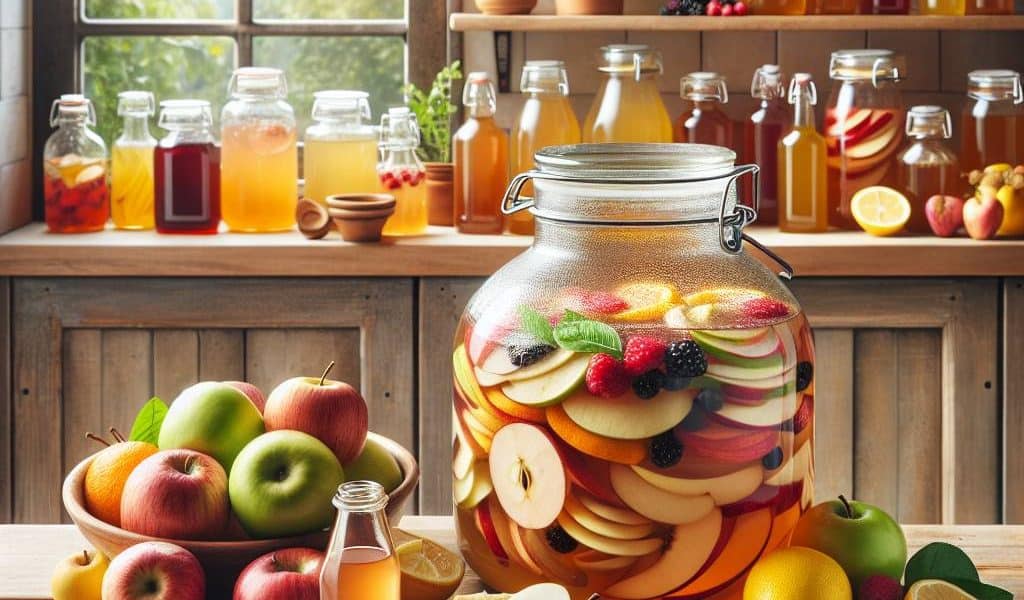
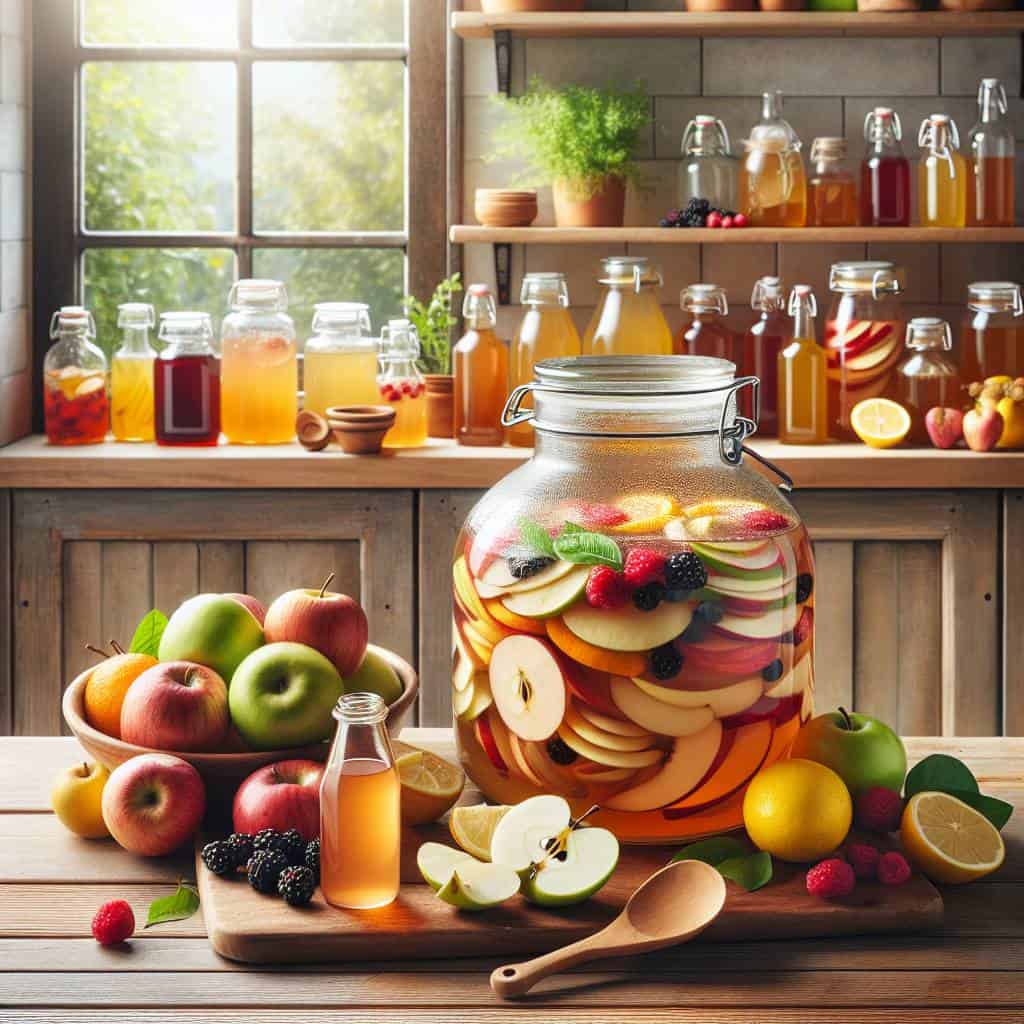
Transforming rotting scraps into vinegar is essentially like taking a lemon and making lemonade, but with a bit more science and a lot more waiting. The process involves letting your fruity refuse mingle with water and a bit of sugar, allowing wild yeasts to do their thing. It’s the kind of DIY project that makes you feel like a mad scientist, without all the ethical dilemmas. There’s something oddly satisfying about witnessing the chaos of fermentation—bubbles rising, a tangy aroma developing—and realizing that your compost could become a culinary star. It’s not just vinegar; it’s liquid gold, born from what was once considered waste.
Now, I won’t sugarcoat it (because I hate that). It’s a misadventure for a reason. There were moments when I questioned my sanity—like when the kitchen smelled like a distillery and I feared I’d accidentally invented a new strain of penicillin. But, when that first batch of apple scrap vinegar hit my salad, it was all worth it. The tang, the complexity, the sheer satisfaction of knowing I’d turned trash into treasure—it was pure magic. And if I can do it, trust me, so can you. Just be ready for a few raised eyebrows and a whole new respect for the power of decay.
The Alchemy of Apple Scraps
Turning apple scraps into vinegar isn’t just about fermentation; it’s about finding value in what we’d usually toss aside. It’s the art of seeing potential in the overlooked.
Fermentation Epiphanies: The Sour Truth
As I watch my latest batch of apple scrap vinegar bubble away, I can’t help but chuckle at the absurdity of it all. Who would’ve thought that the remnants of my kitchen, destined for the compost, could transform into something so tangibly useful? It’s like finding a Picasso amongst the trash. But that’s the beauty of fermentation; it’s a humbling reminder that even the most unassuming scraps have potential. I mean, sure, it’s just vinegar. But it’s also a testament to patience and the subtle art of letting nature do its thing.
This whole escapade has taught me more than just how to salvage my apples from the brink of the bin. It’s about embracing the messiness of life, the unpredictability of waiting for something to ferment without turning into a science experiment gone wrong. I’ve learned to trust the process, relish in the sour surprises, and appreciate the beauty in the imperfect. After all, life’s too short for bland and predictable. So here’s to more bubbling concoctions and the simple joy of turning scraps into something worth savoring.