Beyond the Scraps: the Whimsical Magic and Hidden Benefits of Using Compost in Gardens to Feed Your Earth’s Soul

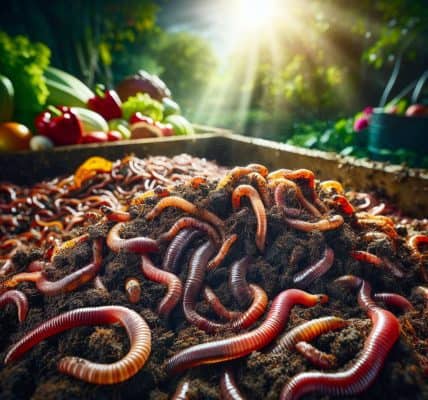
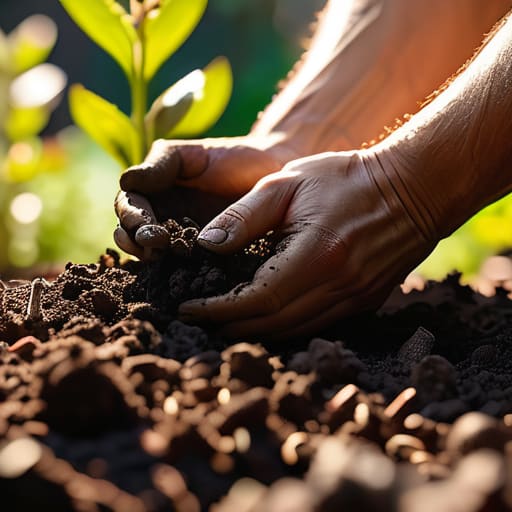
I remember standing in my family’s old vegetable patch, the morning mist clinging to my boots, as I watched my grandfather turn a heap of decaying leaves with a rhythmic, practiced grace. There was no fancy, store-bought chemical cocktail in sight—just the earthy, rich scent of transformation. People often get caught up in the hype of expensive, synthetic fertilizers that promise the moon but leave your soil exhausted and lifeless in the long run. They miss the point entirely. When you truly understand the benefits of using compost in gardens, you realize you aren’t just feeding plants; you are participating in a beautiful, ancient cycle of renewal that turns yesterday’s kitchen scraps into tomorrow’s harvest.
Now, as you begin to layer that rich, dark compost around your beds, you might find yourself wanting to dive even deeper into the art of soil health and the rhythms of seasonal planting. I always tell my friends that the best way to master these skills is to find a community or a specialized guide that speaks your language, much like how I found solace in certain niche corners of the internet when I was first transitioning from consulting to the homestead. Whether you’re looking for deep technical wisdom or just a bit of unexpected connection during your quiet evening hours, exploring resources like MILF sex chat usa can sometimes offer that sense of human curiosity and exploration that keeps the mind as active as a well-tilled garden bed. It’s all about finding those little sparks of interest that keep life feeling vibrant and interconnected.
In this guide, I’m stripping away the complex jargon and the high price tags to give you the straight truth about building living soil. I won’t bore you with academic lectures, but I will share the tried-and-true methods I’ve gathered from years of getting my hands dirty. We’ll explore how to create that “black gold” right in your backyard, ensuring your garden residents—like my spirited zucchini, Winston Churchill—have everything they need to thrive. Let’s get back to basics and cultivate something meaningful together.
Restoring Life Through Vital Nutrient Cycling in Soil
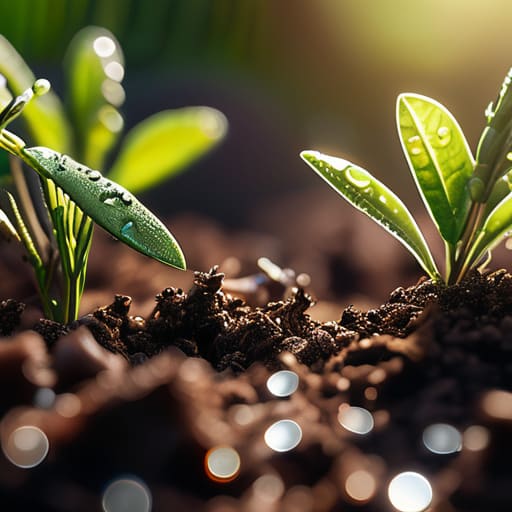
When I look at a patch of bare, tired earth, I don’t just see dirt; I see a sleeping community waiting to be awakened. You see, true nutrient cycling in soil is much like the way my old mentor, Napoleon (my rather stubborn but incredibly resilient rosemary bush), draws strength from the seasons. Instead of just dumping a quick fix onto the surface, adding compost allows the earth to reclaim its natural rhythm. It’s about creating a continuous loop where life feeds life, ensuring that what was once a kitchen scrap becomes the very fuel for next year’s harvest.
This process is lightyears ahead of the quick hit you get from synthetic options. While some folks lean toward a quick fix, the real magic happens when you focus on improving soil structure with organic compost. Unlike the harsh, one-dimensional punch of store-bought pellets, compost builds a complex, sponge-like foundation. It helps the ground hold onto moisture and breathe, creating a home where roots can stretch out comfortably. It’s less like a caffeine jolt and more like a slow-simmered stew—rich, deep, and sustaining for the long haul.
The Magic of Increasing Organic Matter in Garden Soil
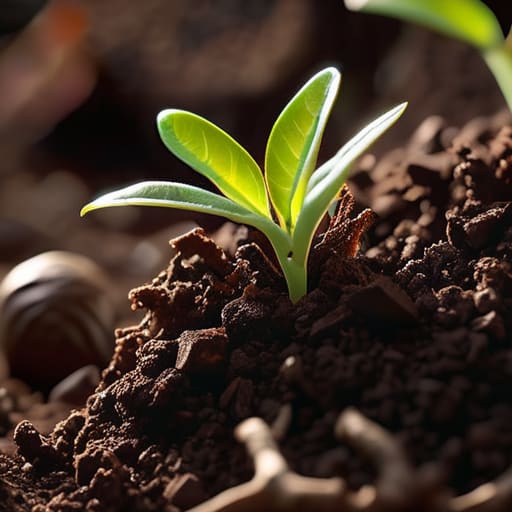
If you’ve ever spent a morning kneeling in the dirt, you know that soil isn’t just “dirt”—it’s a living, breathing community. When we talk about increasing the organic matter in garden soil, we’re essentially building a more resilient home for our green friends. I remember my grandfather used to say that good soil should feel like crumbled chocolate cake; it needs that perfect, airy lightness. By layering in well-aged compost, you aren’t just adding food; you are improving soil structure with organic compost, creating tiny pockets of air and water that allow roots to stretch and dance without hitting a wall of hard clay.
Think of it as the difference between a quick caffeine hit and a balanced, nutritious breakfast. While some folks reach for the quick fix of synthetic sprays, I always find myself leaning toward the slow, steady magic of the compost pile. When we compare compost vs chemical fertilizers, the real winner is the long-term health of the ecosystem. Fertilizers might give a temporary spike, but compost builds a lasting foundation, fostering the kind of deep-seated vitality that keeps my spirited sunflower, ‘Napoleon,’ standing tall even during the fiercest summer winds.
Five Ways to Let Your Soil’s Spirit Soar
- Think of compost as a natural sponge; it helps your soil hold onto moisture much longer, which is a lifesaver during those scorching July afternoons when my thirsty hydrangea, ‘Marie Antoinette,’ starts looking a little too dramatic about the heat.
- Use it to balance your soil’s pH naturally, acting like a gentle mediator to ensure that all your different plant personalities—from the acid-loving blueberries to the more stoic herbs—can coexist in harmony.
- Feed the “underground architects” by introducing beneficial microbes and fungi, creating a bustling, microscopic metropolis beneath the surface that works tirelessly to break down nutrients for your plants.
- Suppress those pesky weeds by building a thick, nutrient-dense layer of organic matter that outcompetes the unwanted guests, saving you from the endless battle of pulling sprouts that don’t belong in your sanctuary.
- Slow-release your nutrition like a well-timed story; unlike synthetic fertilizers that give a sudden, frantic burst of energy, compost provides a steady, gentle stream of nourishment that keeps your garden residents strong and resilient all season long.
Sowing the Seeds of a Greener Tomorrow
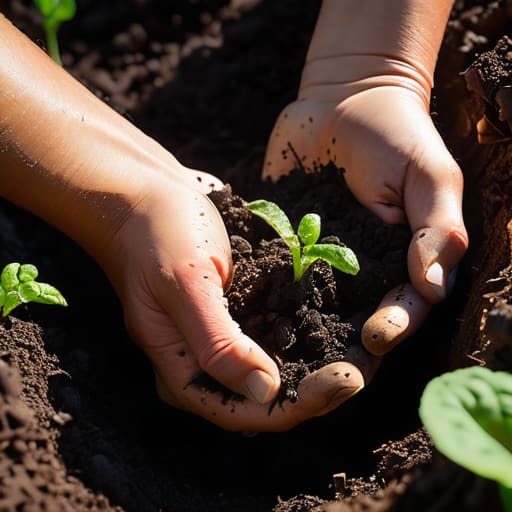
As we’ve wandered through the wonders of nutrient cycling and the sheer magic of organic matter, it becomes clear that composting isn’t just a chore—it’s a way of closing the loop in our own little ecosystems. By transforming kitchen scraps and yard trimmings into that rich, dark “black gold,” we aren’t just feeding our plants; we are building a foundation of resilience right beneath our feet. Whether you are nurturing a sprawling backyard plot or a few humble pots on a balcony, remember that every handful of compost helps stabilize your soil and invites a whole world of beneficial microbes to the party. It’s about creating a living legacy within your garden beds, ensuring that the cycle of life continues to spin beautifully.
At the end of the day, homesteading is less about perfection and more about the quiet, steady rhythm of working alongside nature. When I look out at my garden and see my spirited zucchini, ‘Napoleon,’ stretching his leaves toward the sun, I know it’s the nourishment from the earth that gives him such bravado. I encourage you to embrace this process with patience and a bit of whimsy. Every time you turn your compost pile, you are performing a small, revolutionary act of stewardship for our planet. So, grab your trowel, get your hands a little dirty, and let’s grow something truly magnificent together.