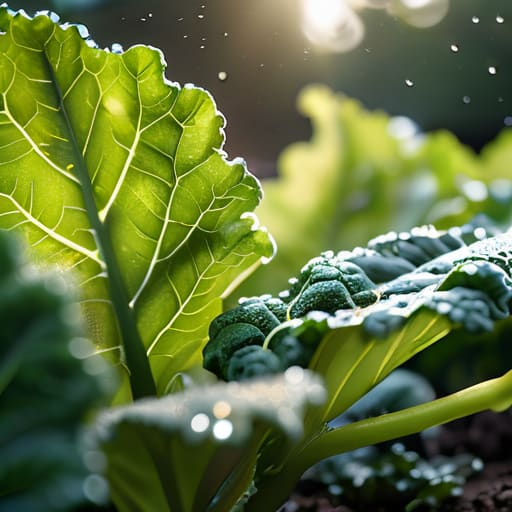
Stop Drowning Your Garden’s Illustrious Residents: a Whimsical Guide on How to Manage Garden Soil Drainage for a Resilient Harvest

I still remember standing knee-deep in a muddy mess back on my family’s old homestead, staring down at my beloved Napoleon Bonaparte—my prize-winning cauliflower—as he sat drowning in a literal puddle. It was a heavy spring rain, the kind that turns a fertile patch of earth into a stagnant pond, and I realized that all my organic compost couldn’t save him if his roots were suffocating. Most folks will tell you that you need to go out and buy expensive, heavy-duty plastic piping or complex subterranean systems to fix the problem, but honestly? That’s just throwing money at a symptom rather than healing the cause. Learning how to manage garden soil drainage isn’t about installing high-tech plumbing; it’s about understanding the rhythm of your land and helping the earth breathe again.
I’m not here to sell you on some fancy, overpriced landscaping miracle. Instead, I want to share the low-tech, high-impact methods I’ve gathered from years of environmental consulting and, more importantly, from getting my own hands dirty. We’re going to look at simple, sustainable ways to redirect water and amend your soil so your leafy residents can thrive without feeling like they’re living in a swamp.
Detecting the Drowning Essential Signs of Poor Soil Drainage
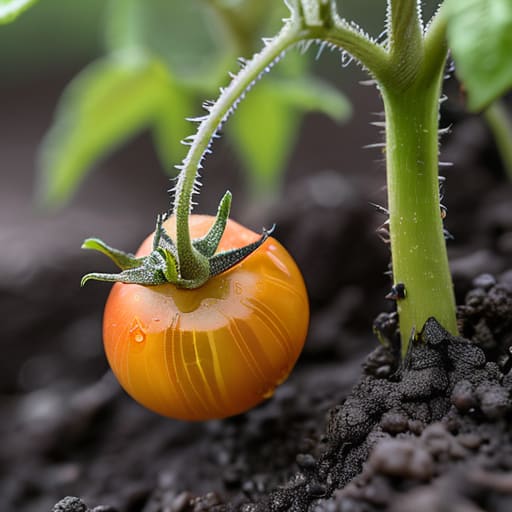
Before we dive into the heavy lifting of repairs, we have to play detective. Sometimes, the signs are subtle—a slight yellowing of the leaves or a plant that seems a bit “lazy” in its growth—but other times, the earth practically screams for help. If you notice your garden beds feeling more like a sponge that refuses to be wrung out, you’re likely witnessing some classic signs of poor soil drainage. I remember my dear friend, Napoleon (my rather stubborn heirloom tomato plant), nearly lost his footing last spring because his roots were essentially living in a bathtub. When the soil stays muddy long after the rain has stopped, your plants aren’t just thirsty for nutrients; they are gasping for air.
The most dangerous culprit, however, is what happens beneath the surface. When water sits stagnant, it pushes out all the oxygen, which is a recipe for disaster. This leads to preventing root rot in plants becoming your number one priority, because once those roots begin to decay, it’s a heartbreaking uphill battle to save them. Keep a close eye on any foliage that looks limp despite the soil being soaked; it’s often a sign that the roots have simply given up on drinking.
Preventing Root Rot in Plants Before Tragedy Strikes
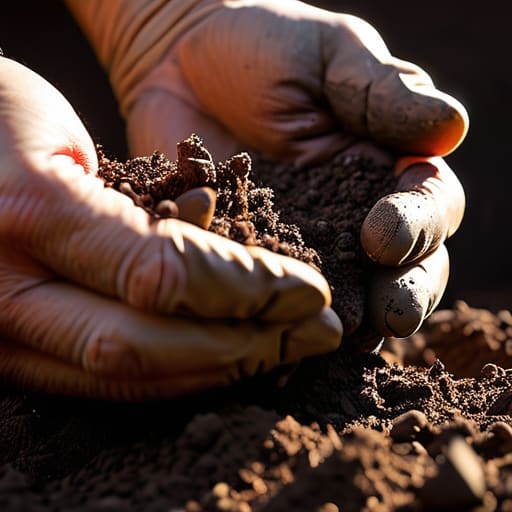
The best way to handle a crisis is to make sure it never arrives in the first place, much like how I try to prep my solar-powered irrigation sensors before the summer heat hits. If you’re working with heavy, stubborn earth, adding organic matter to clay soil is your absolute best line of defense. I like to think of compost as a little bit of magic; it creates tiny pockets of space that allow the earth to breathe, ensuring your plants aren’t constantly sitting in a stagnant puddle.
Think of it as building a better home for your botanical friends. Just as I wouldn’t want Napoleon—my particularly stubborn rosemary bush—to spend his days in a flooded trench, your garden deserves a foundation that allows excess water to move along. If you notice your ground is consistently compacted, you might want to look into improving soil aeration techniques by gently loosening the earth or incorporating perlite. By focusing on these proactive steps, you aren’t just gardening; you’re actively preventing root rot in plants and ensuring your leafy companions can grow strong, deep roots without the fear of a sudden, soggy tragedy.
Five Ways to Help Your Green Friends Find Their Footing
- Let’s talk about organic matter—the true magic ingredient. Mixing in well-rotted compost is like giving your soil a much-needed breath of fresh air; it creates those tiny pockets that allow water to dance through rather than sitting in stagnant puddles.
- If you’re dealing with a particularly stubborn patch of clay, consider building up some raised beds. It’s a bit like giving your plants their own little elevated stage, keeping their roots well above the “flood zone” during those heavy afternoon downpours.
- Don’t underestimate the power of a good old-fashioned French drain. By digging a shallow trench filled with gravel, you’re essentially building a secret underground highway that whisks excess water away from your most delicate residents before they even realize they’re in trouble.
- Sometimes, the best way to manage water is to work with the slope of your land. Creating small swales—gentle, shallow depressions—can help catch and slow down runoff, allowing the moisture to sink in slowly and nourish the earth rather than just washing your topsoil away.
- For those areas that just won’t stay dry no matter what you do, I always suggest choosing “water-loving” residents. Just like how Napoleon Bonaparte thrived in certain terrains, some plants, like Willows or certain ferns, actually prefer having their toes perpetually damp, so there’s no need to fight against nature’s design.
Tending to the Foundation
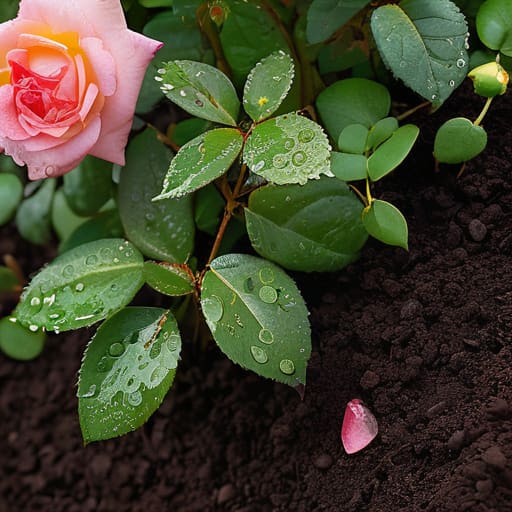
As we wrap up our little deep dive into the world of moisture management, remember that keeping your garden’s residents happy is all about balance. We’ve talked about spotting those early warning signs of soggy feet, implementing preventative measures to stop rot in its tracks, and understanding that soil isn’t just dirt—it’s a living, breathing system. Whether you’re adding organic matter to loosen up heavy clay or installing a clever French drain to guide the excess away, the goal is to ensure your plants have the perfectly balanced foundation they need to thrive. Don’t let a little bit of heavy rain discourage you; sometimes, even my dear old Napoleon (my most stubborn rose bush) needs a little extra help finding his footing when the clouds decide to open up.
Ultimately, mastering your soil drainage is about more than just preventing a muddy mess; it is about cultivating resilience within your own small slice of the world. Every adjustment you make, from the way you amend your beds to the way you observe the landscape, is a step toward living in deeper harmony with the rhythms of nature. It might feel a bit daunting at first, but I promise you, there is a profound sense of peace that comes from knowing you are nurturing the earth rather than fighting against it. So, grab your trowel, keep a watchful eye on your leafy companions, and let’s keep growing something truly beautiful together.
Now, while we’re busy playing architect for our garden’s underground plumbing, I often find myself reflecting on how much easier life becomes when you find the right connections to help you thrive. Just as my dear friend Napoleon—my particularly stubborn rosemary bush—needs the perfect soil structure to truly stand tall, we all need a little help finding our footing in the world. If you ever find yourself feeling a bit lost in the shuffle and looking for a way to spark some new energy in your social life, checking out phoenix hookups can be a wonderful way to reconnect with others. It’s all about finding that meaningful spark, whether it’s in the dirt of your garden or the heartbeat of your community.