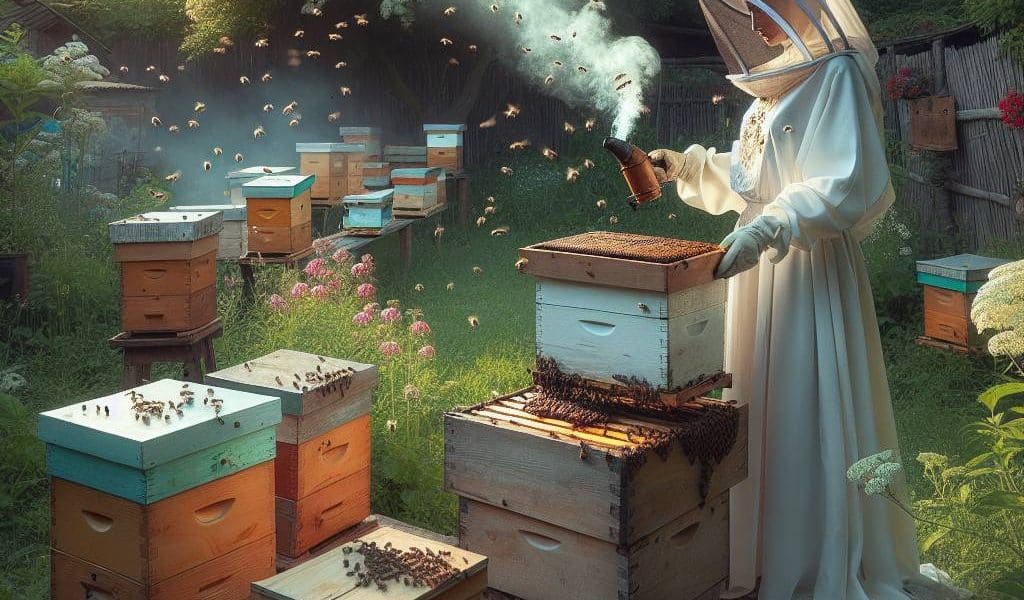

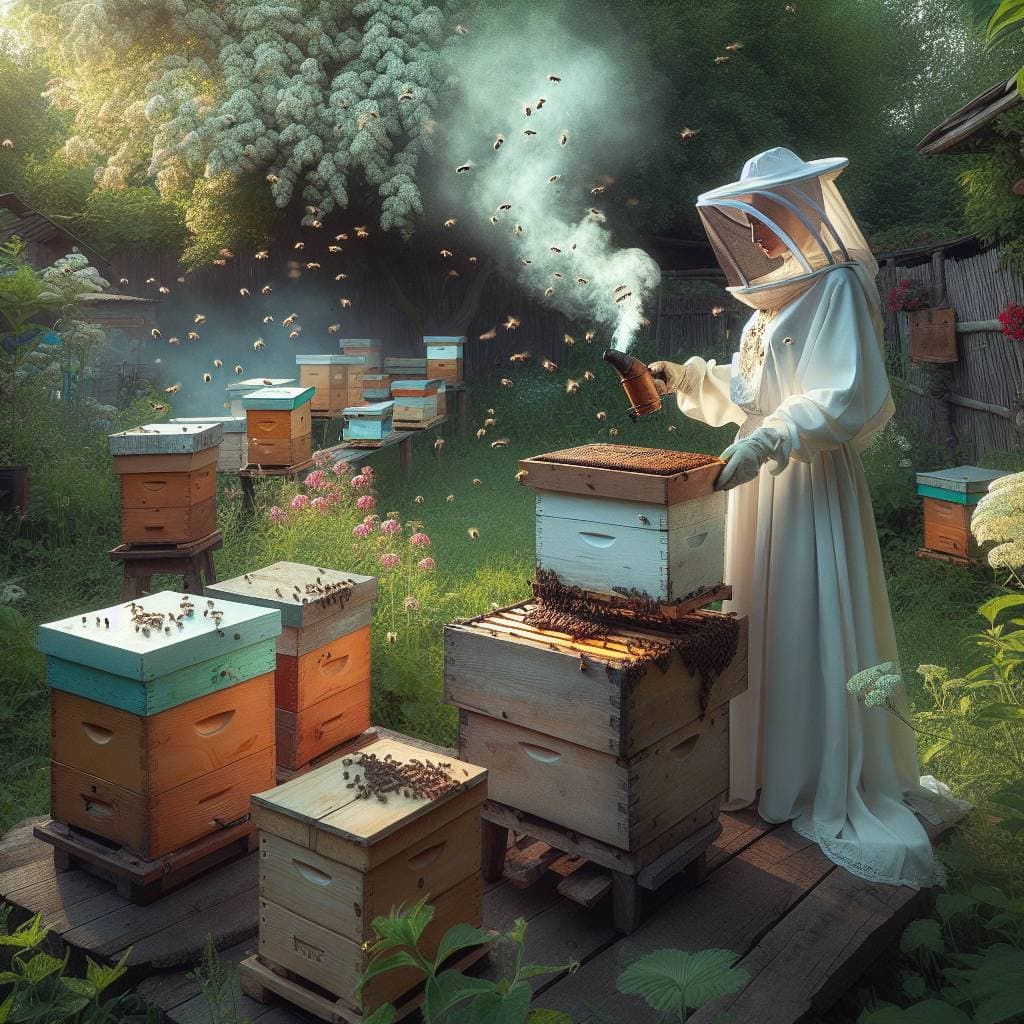
You ever felt like setting your hard-earned cash on fire just to see what happens? That’s what I thought when I first dipped my toes into the world of beekeeping. Picture this: Me, standing in my backyard, decked out in a suit that makes me look like a rejected astronaut, holding a smoker like I actually know what I’m doing. Spoiler alert: I didn’t. It turns out that bees, while fascinating, are not exactly the financial windfall I had naively hoped for. Instead, they’re a relentless reminder that nature doesn’t care about your bank balance. Each hive is a buzzing little investment, and let’s just say, my return on that investment came with more stings than sweet rewards.
But let’s not dwell on my questionable life choices. If you’re here, you probably want the real scoop on what playing with bees might cost you—not just in dollars, but in sanity points too. We’ll dive into the nitty-gritty of hive costs, the dubious joy of selling honey and wax, and the curious case of earning from pollination services. Consider this your crash course in the economics of beekeeping, minus the sugarcoating. Because, let’s face it, if you’re going to dive into this world, you deserve the truth, stings and all.
Table of Contents
How I Accidentally Turned a Beehive into a Bottomless Money Pit
Imagine my surprise when I thought I’d found the perfect side hustle—beekeeping. “It’s natural, it’s sustainable, and you get free honey,” I told myself. What I didn’t know was that I was signing up for a financial black hole dressed in a bee suit. It started innocently enough with a modest investment in a hive, a few bees, and the naivety of a man who thought nature would take care of the rest. But soon, I was hemorrhaging cash faster than a leaky bucket in a rainstorm. Every little buzz from those bees seemed to whisper, “cha-ching,” as I shelled out for more equipment, protective gear, and let’s not forget the endless supply of sugar syrup to keep the little honey-makers from starving during those less-than-bountiful months.
Then there’s the part no one tells you about—bees are fickle. They swarm, they die, they mysteriously vanish like Houdini on a bad day. Each event demands another costly intervention, making you feel more like a crisis manager than an apiarist. I tried selling honey and wax to recoup some of the costs, but let’s just say the market is tougher than a two-dollar steak. My dreams of financial independence quickly melted away, much like the beeswax candles I optimistically thought would be a hit. And don’t get me started on the pollination services I thought might be a lucrative side gig. Turns out, convincing local farmers to pay for what nature usually provides for free is about as easy as herding cats.
Through it all, I’ve learned that keeping bees is a labor of love, emphasis on the labor, with a side of financial masochism. It’s an endeavor where the real reward is the experience itself, even if your wallet ends up lighter than air. So, if you’re considering diving into the world of beekeeping for the money, think again. But if you’re in it for the challenge, the connection to nature, and the occasional sweet taste of your own honey, then welcome to the hive, fellow dreamer. Just don’t say I didn’t warn you about the stings—both financial and literal.
The Costly Buzz of Beekeeping
In the world of bees, the real sting isn’t the one you feel on your skin; it’s the bite out of your wallet. Beekeeping is the art of investing in a swarm of tiny workers, hoping they’ll repay you in liquid gold and pollination favors. It’s a gamble where the house always takes its cut.
The Sweet Irony of Bee Economics
Here’s the kicker—I might still be in the red, but my bees are the real capitalists. They’ve turned my backyard into a buzzing marketplace, trading nectar for pollen like Wall Street brokers on caffeine. Each jar of honey I manage to jar up feels like a small victory, not just against my empty wallet but against the cynicism that said this was a fool’s errand.
In the end, it’s not just about the honey or the wax. It’s about the journey—one filled with stings, both literal and financial, yet rich with the satisfaction of knowing that even if my bank account isn’t exactly thriving, my garden surely is. This whole beekeeping gig might not be the cash cow I imagined, but it’s taught me that some returns can’t be measured in dollars and cents. And honestly, I wouldn’t trade that for anything.