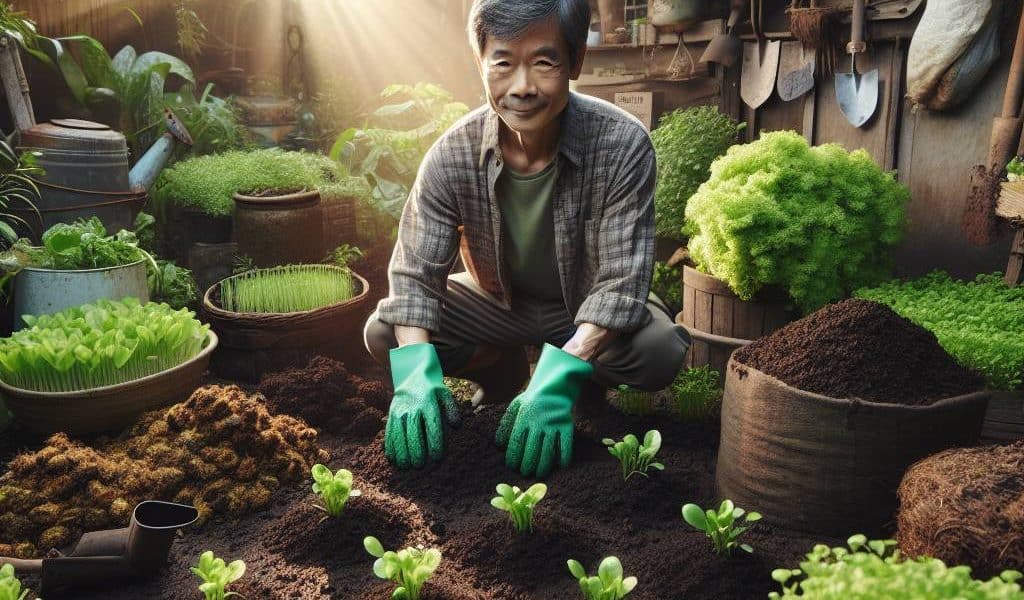

Ever tried to convince a stubborn patch of earth that it could be more than just a glorified dust bowl? I have. Picture me, standing in the middle of a field, arguing with dirt—because I thought I could outsmart nature on a budget. Spoiler alert: nature laughed, and I ended up with a crop of weeds that looked like they were auditioning for a horror movie. But hey, I learned a thing or two about frugality and humility. Turns out, when your wallet’s tighter than a jar lid after arm day, you get creative. And sometimes that creativity leads you to realize that you’ve been throwing away gold—compostable gold, that is.

So, if you’re looking to pull a fast one on Mother Nature while keeping your bank account intact, you’re in the right place. Forget the overpriced soil supplements and fancy fertilizers that promise the moon and deliver a dust cloud. Let’s dive into some no-nonsense, wallet-friendly strategies like composting your kitchen scraps, planting cover crops that do the hard work for you, and cutting down on those fertilizer bills. Stick around, and I’ll show you how to trick your dirt into giving you more than just a bad case of allergies.
Table of Contents
How My Neighbor’s Pile of Rotting Vegetables Saved My Wallet
I’ll admit, I wasn’t initially thrilled about the stench wafting over from my neighbor’s yard. Imagine my surprise when that pile of decomposing vegetables turned out to be a goldmine—well, a compost pile, but you get the drift. My neighbor, who I’ll call Bob because that’s his name, had stumbled onto something brilliant without even trying. Bob was turning his garden scraps into compost, the quintessential DIY soil enhancer. And let me tell you, it worked wonders for his garden and for my wallet. Instead of shelling out cash for overpriced fertilizers that promise the world and deliver a shrug, I started borrowing from Bob’s bounty. It was simple, it was smelly, and it was free.
Now, I know what you’re thinking. “Olivia, you mooch.” But before you cast judgment, let me explain the genius here. Composting is nature’s way of telling us to stop overcomplicating things. Bob’s pile was a symphony of decomposition, a party where apple cores and carrot tops danced their way into nutrient-rich soil. It was a revelation—one that taught me that building soil fertility doesn’t require a degree in chemistry or a second mortgage. By reducing our reliance on chemical fertilizers and embracing the magic of microbial activity, we’re not just saving dollars; we’re saving our sanity and the planet, one rotting tomato at a time. And if it means sneaking over to Bob’s yard with a shovel now and then, well, that’s just frugal ingenuity.
Dirt Cheap Wisdom
Why pay for fancy fertilizers when you can just let nature and a bit of patience turn your leftovers into a feast for the soil?
The Dirt-Cheap Truth
Looking back, it’s a bit wild how much life-changing wisdom can be gleaned from a simple pile of rot. Who knew those forgotten veggie scraps could transform my garden and my wallet in one messy swoop? It’s like nature’s own alchemy, dirt-cheap and abundantly wise. I’ve ditched the overpriced, shiny bags of commercial promises for a heap of humble compost and a dash of patience. And let me tell you, my soil—and my bank account—have never been richer.
It’s funny how the simplest solutions are often right under our noses, or in this case, under our feet. Embracing these frugal soil-boosting tricks has been less about saving money and more about grounding myself in a cycle of give and take with the earth. By reducing my reliance on expensive fertilizers and embracing cover crops’ quiet labor, I’ve found a rhythm that’s sustainable and, dare I say, a little poetic. So here’s to getting our hands dirty and trusting the process. Sometimes, the best way forward is to dig deep, literally and figuratively.