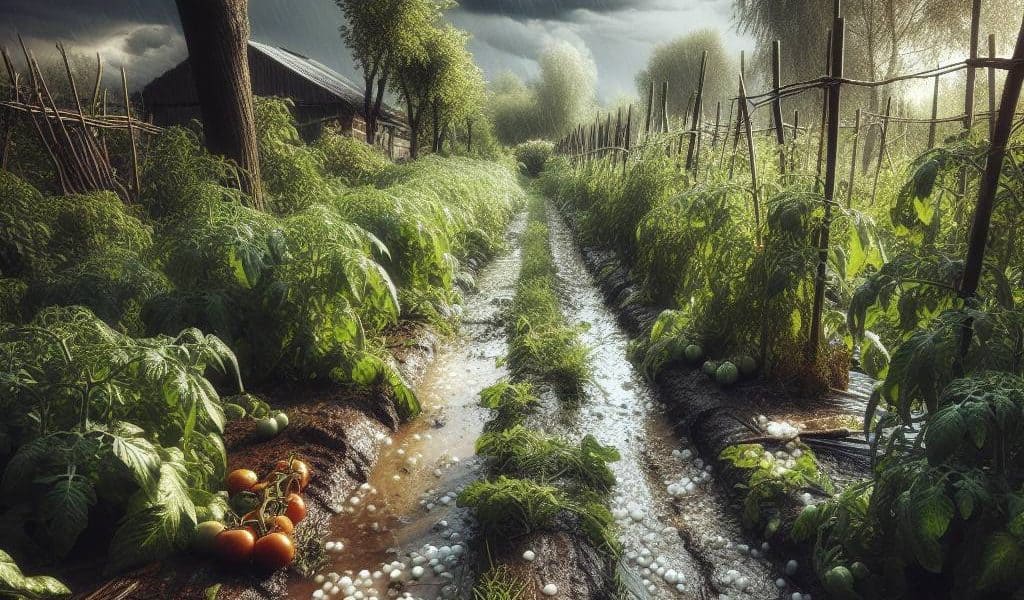

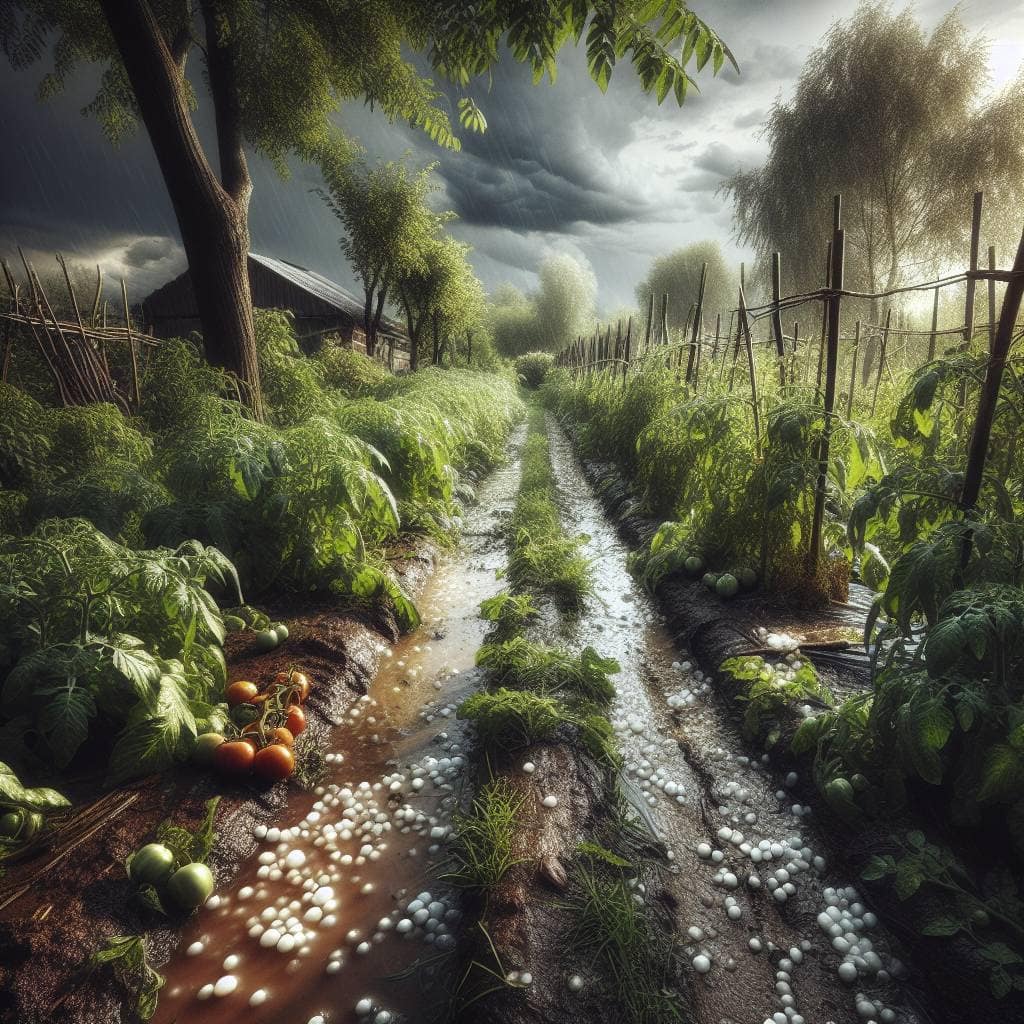
If you’ve ever found yourself knee-deep in mud, staring at a wilting row of tomatoes that promised more than they could deliver, you know exactly what I’m talking about. There was a time, not too long ago, when I thought I could outsmart nature. I had the books, the tools, and the determination of a mule. But no one told me that determination alone doesn’t stop a freak hailstorm from turning your pride and joy into a sad, green mush. It’s these moments, when the universe seems to be having a laugh at your expense, that test your mettle more than any textbook ever could.
But here’s the thing: failure on the homestead isn’t just inevitable; it’s essential. In this piece, we’ll dive headfirst into the stark reality of losing crops, watching livestock vanish, and the grit it takes to rebuild when everything falls apart. I’ll share what I’ve learned the hard way, and hopefully, it’ll save you a few headaches—or at least make you feel less alone when you’re out there, battling both nature and your own expectations. Let’s cut through the romanticized fluff and get real about what it means to cultivate resilience in the face of loss.
Table of Contents
When Chickens Fly the Coop: Dealing with the Unexpected Loss of Livestock
Ever had one of those mornings where you step outside, coffee in hand, expecting the usual clucks and pecks, only to find the coop eerily silent? Yeah, me too. It’s like the poultry version of a bad magic trick—poof, they’re gone. While it’s tempting to give in to panic or start blaming your neighbor’s dog, let’s take a deep breath and face it head-on. Losing livestock is a visceral reminder that homesteading isn’t all sunshine and sunflowers. It’s about adapting, about building resilience from the rubble—or in this case, the feathers.
First, let’s talk about dealing with the fallout. It’s easy to feel like a failure when your livestock disappears or meets an untimely end. But here’s the truth: loss is a part of the package. Whether it’s a fox with a midnight craving or a gate left open by your forgetful self, these things happen. The key? Learn from it. Beef up that coop’s security, install a game camera, or maybe just double-check your locks. And while you’re at it, take a moment to mourn. Yes, really. Acknowledge that these were living creatures you cared for. But don’t wallow. Use that frustration to fuel your next steps.
Then, there’s the emotional toll. It’s not just about the financial hit or the empty coop; it’s about the trust you place in your little corner of the world. When that trust is shaken, it’s easy to lose faith in the whole homesteading dream. But remember, resilience isn’t built in the good times. It’s forged in the fire of setbacks and disappointments. So, gather up what you’ve learned, patch the holes—literal and figurative—and move forward. Because for every chicken that flies the coop, there’s a lesson in resourcefulness and grit waiting to be discovered. And that’s worth its weight in gold.
When the Barn Doors Close: Wisdom in Loss
The trick isn’t in avoiding the storm; it’s in learning how to dance in the mud after the rain has washed away your plans.
The Dirt Under My Nails
In the end, homesteading isn’t about perfect rows of corn or chickens that lay like clockwork. It’s about the dirt under my nails and the sweat on my brow—proof that I’ve given it my all, even if sometimes all I get back is a heap of disappointment. Sure, I’ve lost crops to blight and critters, and there’ve been days when it seemed every creature I cared for decided to hop on the express train to the afterlife. But every setback is a lesson carved into the landscape of my life, teaching me to be a little tougher and a lot more resourceful.
I suppose what I’m really saying is that failure and loss are just part of the terrain here. They don’t define your success; they shape it. Every dead plant and wayward animal is a chapter in my story, a testament to resilience born not from unyielding optimism but from a gritty determination to keep going. So, while the city folks might have their skyscrapers and shiny gadgets, I’ve got my patch of land and a stubborn will to make it work. And honestly, there’s no place I’d rather be.