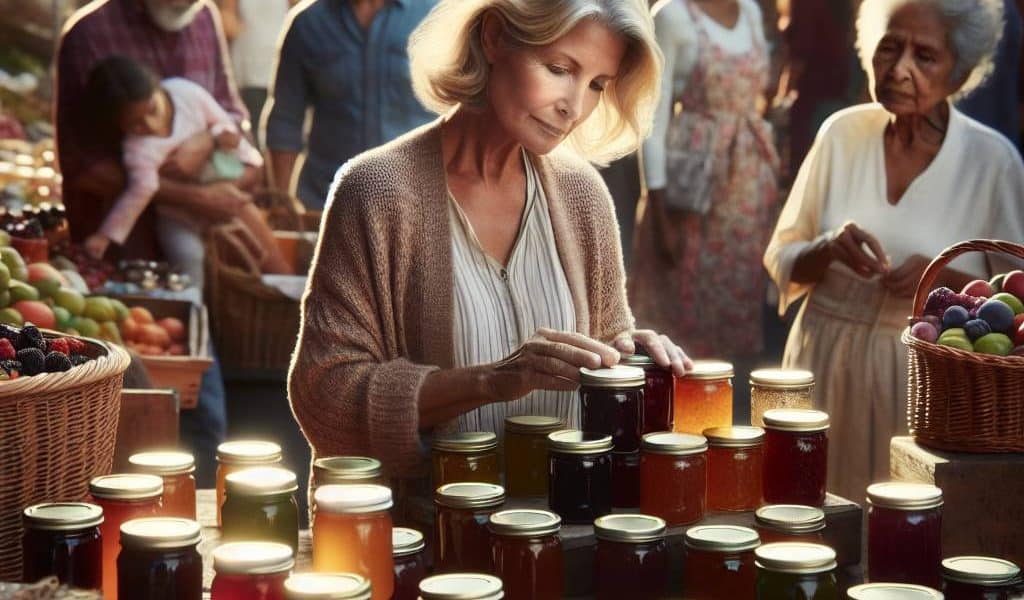

I remember the first time I tried to sell my homemade jams at the local farmer’s market. I stood there, surrounded by jars of sticky sweetness, with a price list that felt more like a desperate plea than a business plan. Pricing those jars was like trying to solve a riddle—how do you put a number on something that holds a piece of your soul? I watched potential customers walk by, eyebrows raised at my amateur attempt to balance fair value with personal pride. It was a humbling experience, to say the least. And it taught me one thing: setting prices is as much about understanding people as it is about crunching numbers.
So, what can you expect from this article? We’re going to dive into the murky waters of pricing your eggs, your tomatoes, and even those hand-knitted scarves you swear look like art. We’ll talk about the arithmetic—yes, there’s math, but don’t worry, it’s the kind that makes sense. We’ll also tackle the emotional rollercoaster that is valuing your hard work. By the end, you’ll have a clearer idea of how to strike a balance between making a living and staying true to your craft. No fluff, just the gritty reality of turning your homestead dreams into a sustainable livelihood.
Table of Contents
An Introduction to how to set prices for your homestead products
Let’s face it, placing a price tag on your blood, sweat, and tears—whether it’s a carton of eggs, a bushel of vegetables, or a lovingly handcrafted piece of art—feels more like a brutal chess match with your own conscience than a simple calculation. You didn’t break your back all summer coaxing those tomatoes from the soil just to give them away for less than the dirt they grew in. But here’s the kicker: pricing isn’t just about what feels right; it’s about finding that sweet spot where your effort meets its worth without scaring away potential buyers. And believe me, it’s easier said than done.
Now, before we dive into spreadsheets and numbers, let’s get one thing straight: your homestead products deserve respect. Don’t undersell yourself. Start with understanding your costs—every cent you spent on seeds, feed, and materials should be accounted for. Then, add in the value of your time. Yeah, your time. It’s a precious commodity that often gets ignored in the homesteading world. Once you’ve got a handle on costs, think about your profit margin. This isn’t just about keeping the lights on; it’s about making your hard work sustainable. Trust me, the satisfaction of seeing a fair return in your pocket is well worth the awkwardness of setting a price that truly reflects the quality of your work.
But pricing isn’t just a math equation. It’s also a conversation with your community. Do your homework: what are other local producers charging? Are you offering something unique that deserves a premium? And don’t forget, this isn’t just about making a sale today. It’s about building a relationship with customers who’ll come back because they trust that your eggs are worth every penny. So, be honest with yourself and your buyers, and don’t be afraid to adjust as you learn. Remember, this is your homestead, your rules. Keep it real, keep it fair, and everything else will follow.
Key Considerations and Final Thoughts
Think of pricing your homestead products as setting the stage for a play where every actor—be it your basket of freshly laid eggs or your hand-knitted crafts—has a role to play. You aren’t just slapping a price tag on a carton of eggs; you’re deciding the worth of those early morning chores and the countless cups of coffee that kept you going. It’s easy to get lost in the numbers and spreadsheets, but let’s not forget the heart behind the hustle. You need to consider the cost of production, yes, but also the value of your time and labor. And what about market trends? That market stall next to yours selling organic vegetables at rock-bottom prices? They’re part of the equation too. It’s a delicate balance of art and commerce, and sometimes, you have to trust your gut as much as your calculator.
Now, as we wrap up this whirlwind journey through pricing, let’s get one thing straight: your homestead is more than just a business. It’s an extension of who you are. The decisions you make aren’t just about maximizing profit margins—they’re about sustaining a way of life. So when you’re in doubt, pause and reflect on what your work means to you. Pricing is not just a numbers game; it’s a reflection of your values and priorities. Keep that in mind as you move forward, and remember that while the path may be winding, it’s worth every step. After all, the road less traveled is often the one with the best view.
The Brutal Truth About Pricing Your Passion
Putting a price on your homestead goods is like setting a value on your own heartbeats. It’s about balancing the sweat on your brow with the worth of your soul. Charge what makes you proud, not just what fills the jar.
The Price of Our Harvest
Taking a step back from the ledger, I realize pricing my homestead products isn’t just about crunching numbers. It’s a dance with identity, a reflection of every early morning and blistered hand. When I think about slapping a dollar sign on a basket of fresh eggs or that batch of jam, the process feels less like a business decision and more like a personal reckoning. It’s about respecting the journey from seed to market, and ensuring that the sweat and care poured into each product are honored, not shortchanged.
As I sit here, listening to the quiet rustle of the wind through the fields, it strikes me that setting prices is a lot like farming itself—equal parts intuition and stubborn resilience. Balancing profit margins with integrity is no easy feat, but maybe that’s the beauty of it. It’s a reminder that every choice we make, every price we set, tells a story—our story. And in that story, amidst the rows of vegetables and stacks of homemade crafts, lies the true value of what we do. Here’s to pricing with purpose, and to walking this unpaved path with eyes wide open.