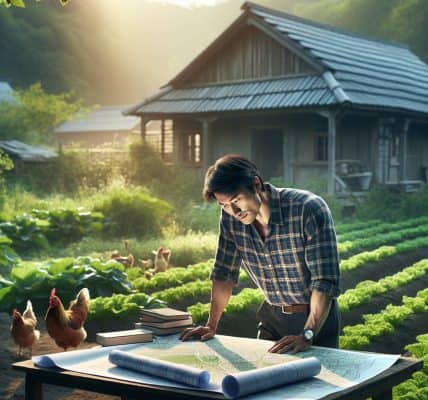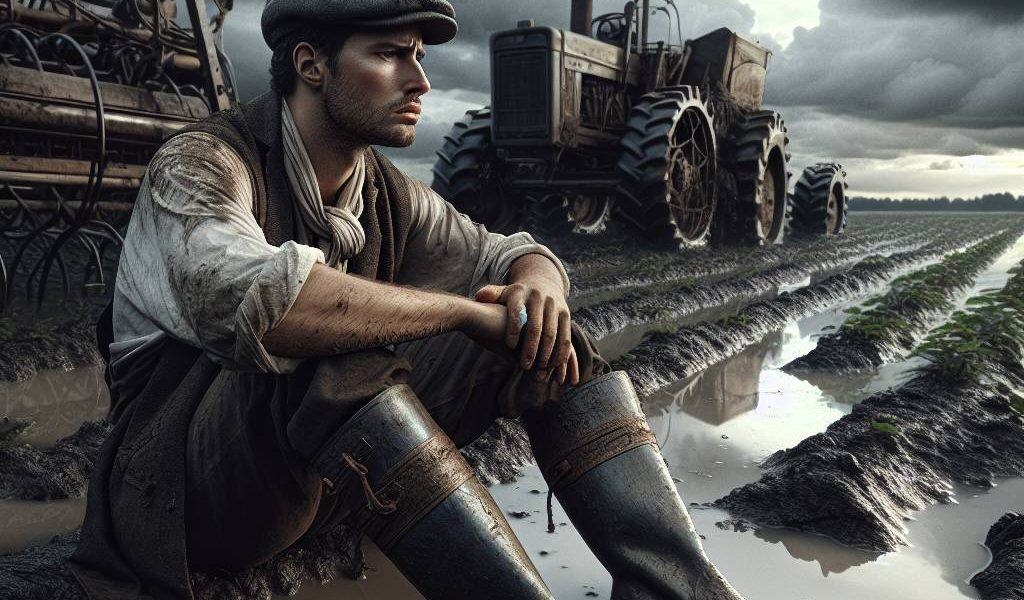

I remember my first year on the farm, when I thought I could outsmart the weather. Armed with a shiny new app and a half-baked sense of invincibility, I felt ready to tackle whatever the sky threw my way. But then came the rain, the kind that turns your fields into a muddy slip-n-slide of despair. I spent hours stuck in that muck, cursing my own ignorance and realizing that no amount of digital forecasts could replace good old-fashioned grit and foresight. That was the day I learned: Mother Nature doesn’t care about your plans or your pretty little app. She’s got her own agenda, and she won’t hesitate to slap you with a reality check.
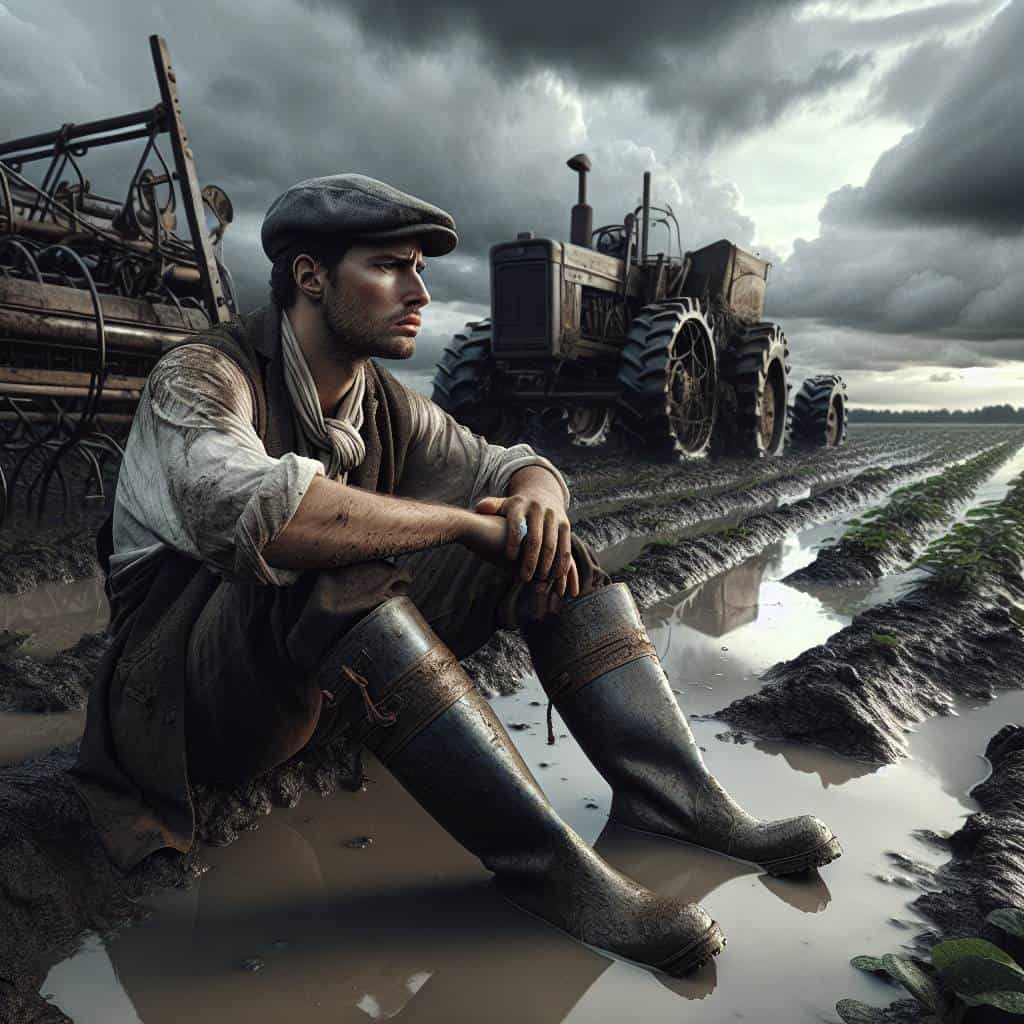
So, here’s what we’re diving into today: the raw, unfiltered truth about weather preparedness on the farm. We’re talking about those relentless droughts that leave your crops gasping for mercy, the floods that turn your hard work into a soggy mess, and the snow that blankets everything in a deceptive, peaceful silence. I’m going to walk you through planning for these extremes, sharing the gritty details and hard-earned lessons that don’t come with a manual. No fluff, no sugar-coating—just real talk about how to stay a step ahead when Mother Nature decides to throw a tantrum.
Table of Contents
How I Learned to Dance with the Drought: A Farmer’s Tale of Survival
Imagine standing in a field that’s all dust and no dance. The sun’s got a bone to pick with the earth, and here I am, trying to coax life from a stubborn ground. Drought isn’t just a weather pattern; it’s a relentless adversary that tests your grit, your wits, and your faith. I didn’t just learn to farm through a drought—I learned to outsmart it, to tango with its challenges and come out with a crop worth celebrating. The first lesson? Hope is not a strategy. You need a plan, one that’s as flexible as it is robust. When the rain forgets to RSVP, I switch to drought-resistant crops, the kind that laugh in the face of a dry spell. And water conservation? It’s not just a buzzword; it’s a lifeline. Drip irrigation became my gospel, turning every drop into a blessing.
But let’s not put on rose-colored glasses here. Surviving a drought isn’t about just making do; it’s about playing the long game. I had to diversify like my livelihood depended on it—because it did. Livestock, cover crops, even dabbling in agroforestry. These weren’t just add-ons; they were my insurance policy against the whims of the weather. And those years when the sky’s mood swings included floods or frost? They taught me resilience. There’s something beautiful about the way a farmer must dance with the seasons—sometimes leading, sometimes following, but always in step with the rhythm of the earth. In the end, it’s about embracing the unpredictability, learning its steps, and never missing a beat. That’s how you survive when the rain plays hard to get.
When the Sky Plays Hardball
Weather’s not your friend, nor your foe; it’s the wild card in your farming deck. Plan for the worst, and you’ll still be thrown a curveball or two. That’s the gritty romance of it.
Weathering the Storm: My Unvarnished Truth
In the grand tapestry of farming, weather is the unruly thread that can unravel the whole damn thing in a heartbeat. I’ve danced with droughts that turned fields into dust bowls and watched floods wash away months of backbreaking work. There’s no sugarcoating it—Mother Nature can be a real tyrant. But here’s the kicker: it’s not just about survival, it’s about resilience. Every storm, every blizzard, every sun-scorched summer day taught me a lesson in grit and adaptability. Planning isn’t just a skill; it’s a lifeline. You learn to read the sky like a book, to anticipate its moods, and most importantly, to have a backup plan because, let’s be honest, the weather doesn’t care about your schedule.
Reflecting on my journey, I’ve realized that being prepared for the extremes isn’t just about spreadsheets and forecasts. It’s about embracing the uncertainty with open arms and a stubborn spirit. I’ve found kinship in the unpredictability, a strange sort of peace in knowing that while I can’t control the sky, I can control my response to it. So here’s to the farmers who, like me, refuse to back down in the face of nature’s fury. We’re not just growing crops; we’re cultivating resilience, one storm at a time. And in that stubborn defiance, there’s a raw beauty that no weather can take away.