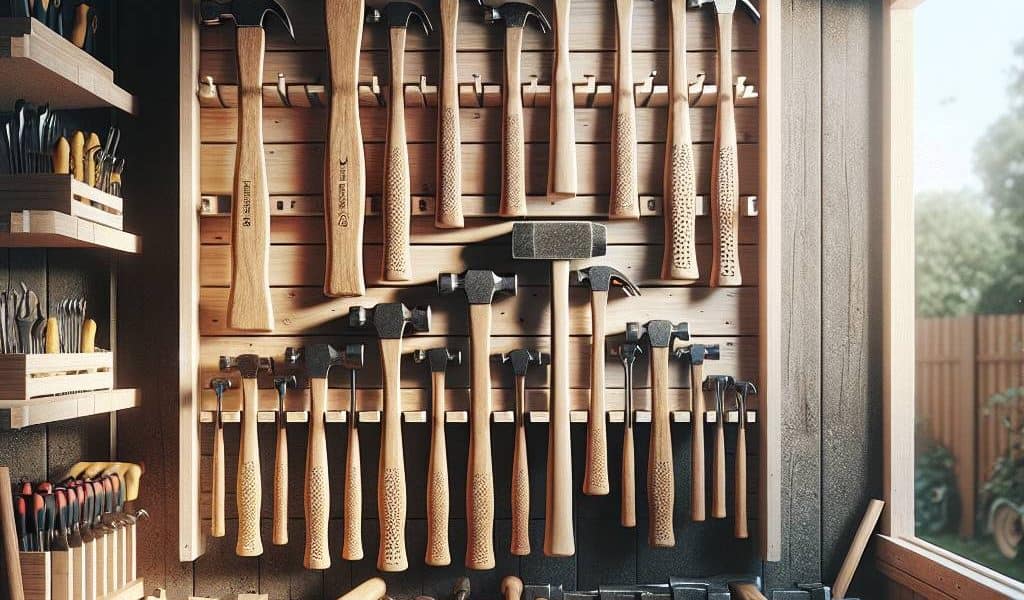

I once thought all hammers were created equal, a notion that lasted until the day I tried to put together a garden shed with nothing but a claw hammer and sheer willpower. Spoiler: the shed looked more like a modern art installation than a structure meant to withstand the elements. That was my baptism by fire—or should I say, by hammer. It turns out, not all hammers are fit for all jobs, and my naïve reliance on a single tool became a cautionary tale I now share with anyone who’ll listen. Because let’s face it, if you’re going to swing a hammer, you might as well swing the right one.
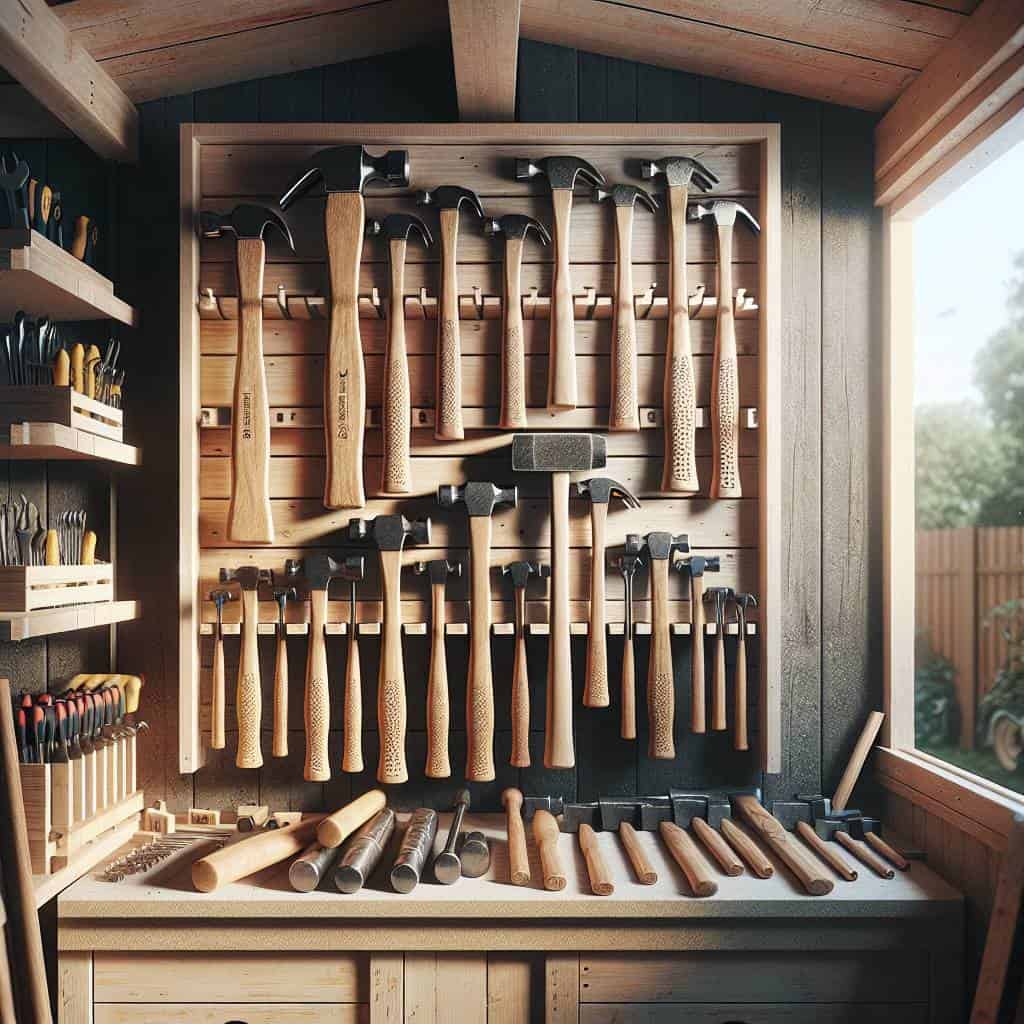
In this article, we’re diving into the misfit world of hammers, each with its own quirks and specialties. From the brute force of a sledgehammer to the precise elegance of a mallet, and the indispensable claw hammer that betrayed me, you’ll get the lay of the land. Consider this your guide to avoiding my rookie mistakes and understanding why each hammer is a specialist in its own right. Stick around if you want the unvarnished truth about these formidable tools and their rightful place in your toolkit.
Table of Contents
The Day I Realized Not All Hammers Are Created Equal: A Journey with Claw and Friends
Growing up in a place where the nearest neighbor was a good mile away, you learn to make do with what you have. This usually means turning to the trusty claw hammer for everything from fixing barn doors to building makeshift treehouses. But one day, while attempting to dismantle an old shed, I realized that the claw hammer was more of a polite suggestion than a serious contender. Enter the sledgehammer—clumsy, heavy, and utterly unapologetic. It’s like the distant relative who shows up uninvited and takes over the party. When you need something obliterated, it’s your guy. That day, I came to appreciate that not all hammers are created equal, and some are downright rebellious.
Then there’s the mallet, the gentle giant of the hammer family. It’s the kind of tool you’d want on your side if you’re working on something that requires a softer touch, like encouraging wooden joints to fit together without a splintery mess. It’s a far cry from the sledgehammer’s brute force, a reminder that sometimes a gentle nudge does more than a heavy blow. But don’t be fooled—it’s got its own kind of strength. And let’s not forget the framing hammer, the one with a longer handle and a heavier head, perfect for driving nails into oblivion with precision. It’s like the refined sibling who knows exactly how to get the job done without breaking a sweat. This journey into the world of hammers taught me that each has its quirks and strengths. Just like people, they all have their role to play, whether it’s taking down a wall or building something new.
The Hammer Philosophy: Tools of Intent
In the world of hammers, each one tells a story of purpose. The claw hammer solves your hang-ups, while the sledgehammer is for when you want to erase mistakes with authority. Meanwhile, the mallet whispers in soft taps what the framing hammer shouts in precise blows.
The Hammer Epiphany
In the end, each hammer has its own story to tell. The claw hammer, with its dual personality, taught me that versatility often beats brute strength. But then, the sledgehammer came along, reminding me that sometimes, subtlety just won’t cut it. It’s the heavyweight champion of demolition, a tool that laughs in the face of delicate work and embraces the chaos. The mallet, a gentle giant in comparison, whispers a reminder that force without finesse is just noise.
Reflecting on these tools is like pondering the human condition—each one unique, each one flawed in its own way. The framing hammer, with its long handle and weighted head, is the unsung hero of precision, breaking stereotypes that size is everything. These hammers aren’t just tools; they’re characters in my life’s ongoing saga, each one teaching a lesson in their silent, unassuming way. And isn’t that the beauty of it? Inanimate objects having the audacity to hold a mirror up to us, if only we’re willing to look.


