
Ever try to douse a fire with a garden hose while your neighbor’s barn goes up in smoke? I have. Spoiler alert: it doesn’t work. Turns out, when Mother Nature decides it’s time for a good old-fashioned bonfire, your bucket brigade dreams won’t hold a candle—pun intended. Growing up in the countryside, fire safety wasn’t just a section in a safety manual; it was a matter of survival. But let’s not romanticize this. It was a harsh lesson learned through singed fence posts and the smell of scorched earth. I figured out pretty quickly that hoping for the best is not a strategy, unless you’re keen on watching your hard-earned homestead turn into a smoldering heap.
So, what’s the real plan? How do you make sure your patch of paradise doesn’t become nature’s next barbecue? In this article, we’re diving into the nitty-gritty of fire prevention. We’ll slice through the fluff and get down to brass tacks: creating defensible space, setting up fire breaks, and all the gritty details the brochures forget to mention. Grab a coffee—or something stronger—and stick around. We’re going to arm you with the know-how to keep your homestead off the evening news.
Table of Contents
The Art of Outsmarting Wildfire: Crafting Your Defensible Space
Let’s get one thing straight: if you think a little garden gnome and some wishful thinking will save your homestead from turning into a giant bonfire, you’re in for a rude awakening. Wildfires don’t play by the rules—so why should you? Crafting a defensible space isn’t just about ticking boxes on a checklist; it’s about outsmarting Mother Nature at her own game. You need a buffer zone, a no-man’s land, where fire loses its steam and your home stands a fighting chance.
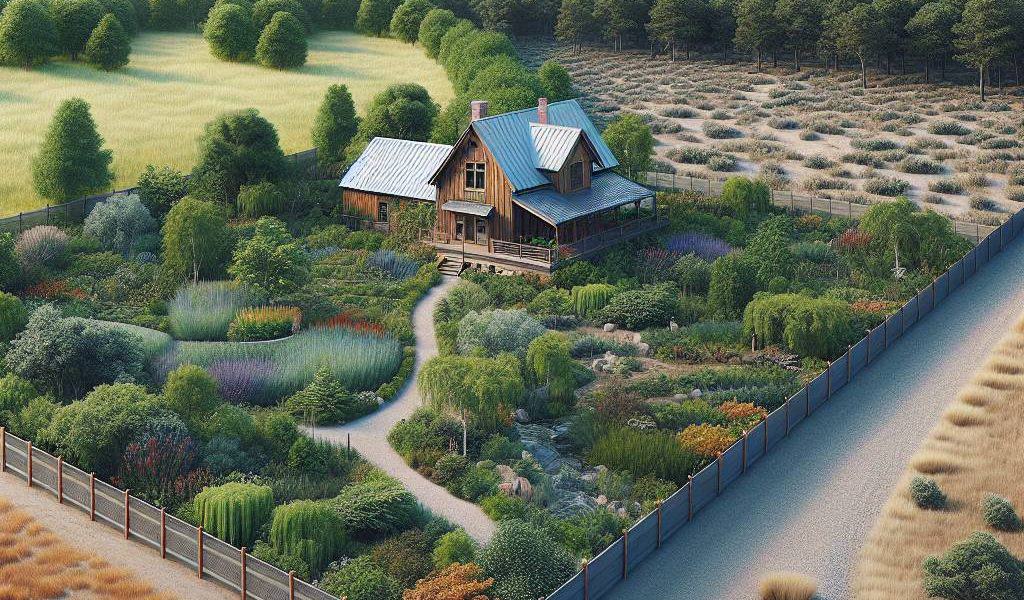
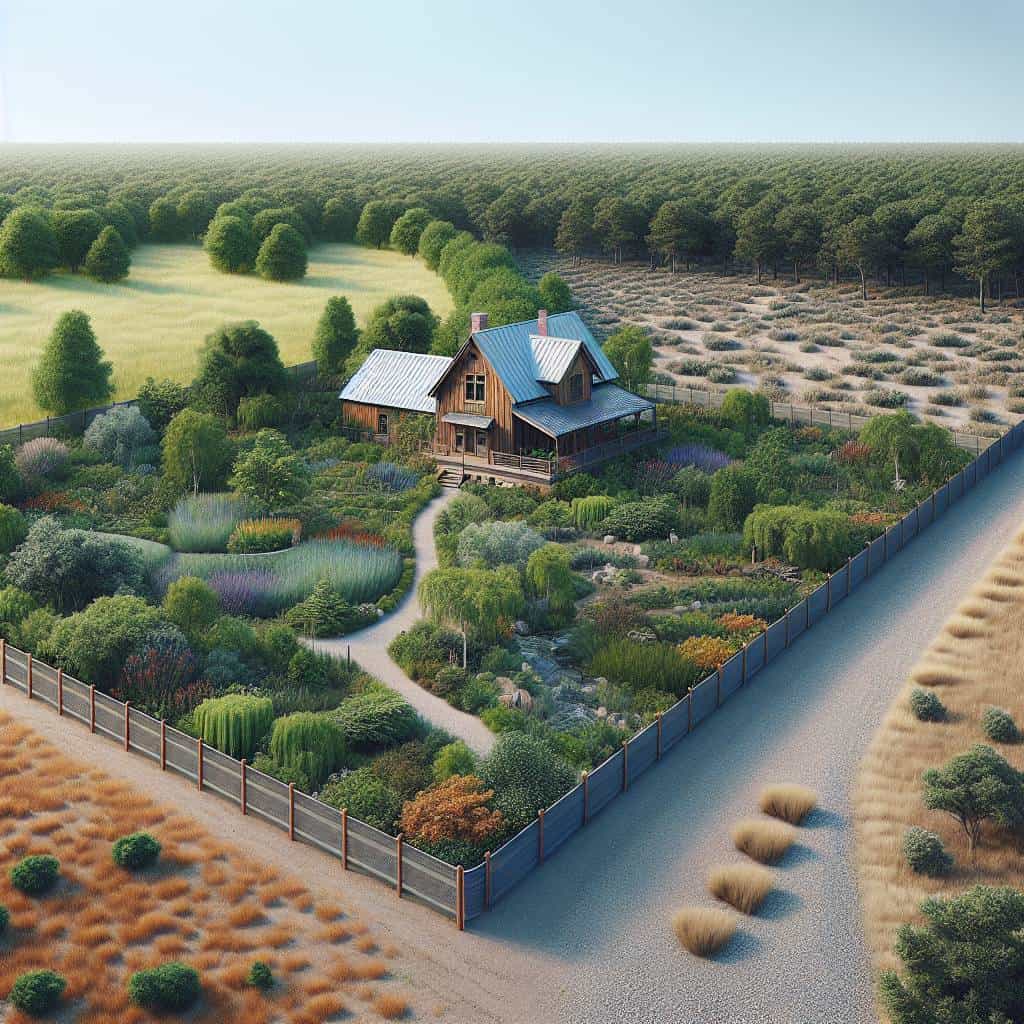
Start by clearing out the low-hanging fruit—literally. Branches that droop too close to the ground are nothing but kindling waiting for a spark. Think of your home as the fortress and anything flammable within a 30-foot radius as potential traitors. It’s not just about removing, though. It’s about rethinking. Replace those thirsty shrubs with fire-resistant plants. Gravel paths? Yes, please. They’re not just pretty; they’re firebreaks in disguise.
And let’s talk about those charming wood piles. Sure, they look rustic next to the back porch, but they’re basically begging for a stray ember to come knocking. Move them away. Farther than you think. This isn’t just about aesthetics; it’s survival strategy. Creating defensible space is an art form, one that requires a bit of elbow grease and a healthy dose of paranoia. But trust me, when the flames come crawling, you’ll be glad you took the time to outsmart them.
Cold Truths About Fire Safety
A homestead isn’t fire-safe because of luck or wishful thinking. It’s the dirt under your nails and sweat of your brow as you carve out those firebreaks and clear the brush.
The Unvarnished Truth About Fire Safety
As I sit back and look at the charred history of my own backyard trials, it becomes clear that creating a fire-safe homestead isn’t just about following a checklist. It’s a gritty reality of accepting that nature holds the upper hand. Sure, we can clear the brush, lay down gravel, and call it a defensible space. But let’s not kid ourselves—Mother Nature has her own plans, and she’s not consulting us.
In this journey of outsmarting wildfires, I’ve learned that the real victory isn’t just about the physical barriers we erect, but the mindset we embrace. It’s about acknowledging our limitations while doing everything we can to tilt the odds in our favor. So here’s to the relentless effort, the dirt under our nails, and the stubborn hope that our homesteads won’t become tomorrow’s bonfire. Stay vigilant, stay real, and remember—nature doesn’t do predictability.