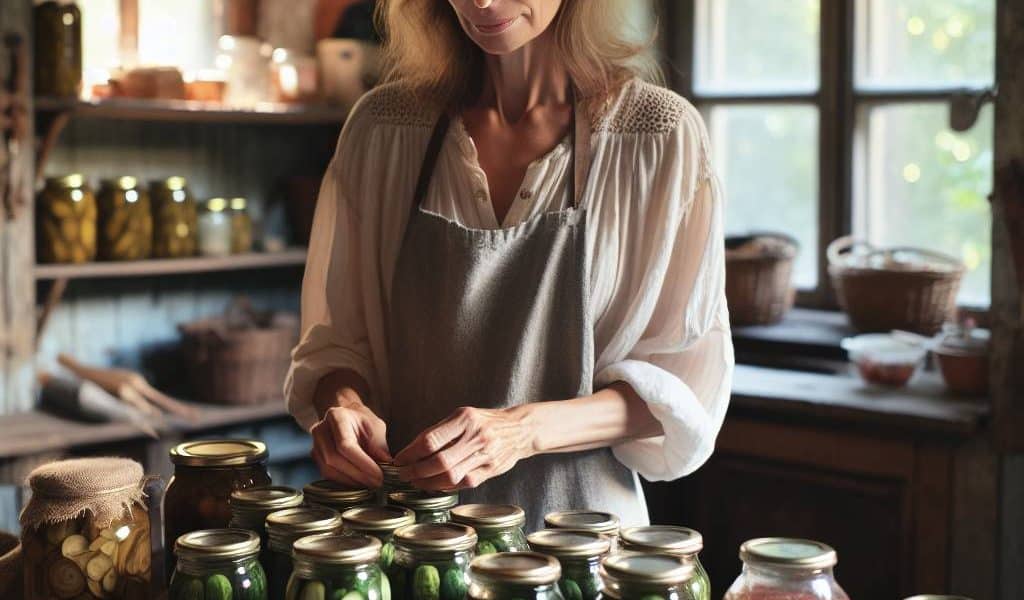

I remember the first time I tried to sell my homemade pickles. I was convinced I’d just slap a label on a jar, and voilà—instant entrepreneurial success. But soon enough, I found myself knee-deep in a bureaucratic swamp, drowning in cottage food laws that seemed designed to extinguish any spark of creativity. You’d think I was setting up an international smuggling ring instead of just trying to share my grandma’s secret dill recipe with the world. Spoiler alert: there’s a bit more to it than just having a killer brine.

But don’t worry, I’m not about to let you dive into this quagmire without a map. In this piece, we’ll unravel the tangled mess of cottage food laws, digging into what you really need to know to keep your kitchen legal and your sanity intact. From home-based business guidelines to the nitty-gritty of safety standards, we’ll tackle it all with the honesty and grit it deserves. So, grab a cup of coffee (or a stiff drink) and let’s roll up our sleeves together.
Table of Contents
Home Sweet Home or Legal Labyrinth? My Foray into Cottage Food Laws
Let’s get one thing straight: turning your kitchen into a mini-commerce hub is no walk in the park. It’s more like navigating a maze blindfolded, with a spoonful of homemade jam as your only guide. Cottage food laws—those charming little rules that allow us to sell our culinary creations from the comfort of home—are as varied as a potluck dinner. Each state has its own quirky list of dos and don’ts, and just when you think you’ve got it covered, there’s another twist in the legal road. I remember diving headfirst into this world, convinced that passion alone could bypass the red tape. Spoiler alert: it doesn’t.
Now, let’s talk about the reality check that comes with this territory. You’d think making cookies in your own kitchen would be simple, right? But throw in a dash of health department regulations, a sprinkle of specific labeling requirements, and a heaping spoonful of liability insurance, and suddenly you’re not just a home baker—you’re a small business navigating a bureaucratic jungle. I quickly learned that understanding the fine print of cottage food laws is like deciphering a secret recipe, one that might just require a law degree on the side. But hey, if you’re ready to roll up your sleeves and wade through the legal muck, there’s a sweet reward at the end: the satisfaction of sharing your creations with the world, all while staying on the right side of the law.
The Unvarnished Truth of Homemade Hustles
When you’re juggling homemade dreams and legal hoops, remember: the real recipe for success starts with understanding the fine print, not just the ingredients.
The Bitter Aftertaste of Red Tape
After all this, I’m left with a strange blend of satisfaction and frustration. Satisfaction, because there’s a certain pride in having wrestled with the beast of bureaucracy, emerging (mostly) unscathed. But the frustration? That’s the bitter pill that comes with realizing how far removed we are from the simple joy of sharing homemade wonders. I started with the naive notion that crafting goodies in my kitchen could be a straightforward affair. Instead, I found myself knee-deep in a muck of permits and forms, just to legally hand over a batch of cookies to a neighbor.
There’s something profoundly odd about it all. Home is where the heart is, they say, but try telling that to the slew of safety requirements and legal hoops you must jump through. It’s like being asked to wear a suit to a backyard barbecue—absurd and a bit stifling. Yet, maybe that’s the price of ‘progress,’ where safety and legality brush elbows with the simple act of selling a jar of homemade jam. At the end of the day, though, I wouldn’t trade the dirt under my nails for a sanitized, pre-packaged life. I’ll keep digging into this stubborn field, even if it means occasionally tripping over a legal root or two.