
I’ll be honest with you: my first attempt at building a cold frame was more of a wooden coffin than a plant protector. Picture me, standing knee-deep in splinters and shattered dreams, trying to convince myself that this rickety structure would somehow safeguard my greens from the impending frost apocalypse. Spoiler alert: it didn’t. I learned the hard way that you can’t just slap together a few planks and hope the universe grants you a thriving winter garden. But hey, we all start somewhere, right?

Now, let’s talk about what you’re really here for—transforming your garden into a year-round sanctuary without having to sell your soul to overpriced garden centers. I’ll walk you through the real deal: constructing a cold frame that actually works, so you can extend your growing season, even when winter’s breathing down your neck. This isn’t just about survival; it’s about thriving, with a touch of practicality and a dash of rebellion against Mother Nature’s icy grip. Ready to get your hands dirty? Let’s dig in.
Table of Contents
How I Outsmarted Winter: The Art of Extending the Growing Season
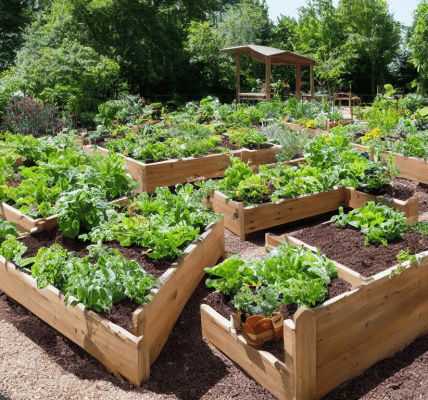
Winter in the garden is like an unwelcome guest who shows up early and refuses to leave. But I’ve found a way to keep the harvest going without sacrificing every ounce of my sanity—or my plants’ survival. Enter the cold frame, the unsung hero of the gardening world. Picture this: a simple wooden box with a glass or plastic lid, like a greenhouse got together with a treasure chest. It’s not fancy, but it doesn’t need to be. What it does need to do is trap the sun’s warmth and keep Jack Frost from ruining your hard work. It’s my secret weapon for turning the tables on winter, keeping those greens growing when they’d rather be cozying up under a blanket of snow.
Now, before you roll your eyes and mutter about another DIY project, hear me out. The beauty of a cold frame is its simplicity—it’s straightforward enough to build over a weekend with some leftover wood and an old window. And the payoff? Huge. We’re talking fresh veggies in February, extending the growing season without whispering sweet nothings to the overpriced produce at the grocery store. Trust me, there’s nothing quite like plucking a crisp lettuce leaf when your neighbor’s garden is taking an ice bath. This isn’t just about beating winter; it’s about reclaiming a little piece of the year that Mother Nature usually holds hostage. So grab your tools and join me in the art of outsmarting winter—because, let’s be honest, who really wants to pay for kale in January?
The Cold Frame Revelation
Some people build cold frames to extend the growing season, but I build them to defy winter’s icy grip and save my plants from their frosty fate. It’s my rebellion against the freeze.
A Frosty Farewell and a New Dawn
Looking back, the battle against winter’s relentless grip was like trying to teach a cat to fetch. Frustrating, but when it finally clicks, the satisfaction is unparalleled. Building a cold frame wasn’t just a weekend project—it was a rebellion against nature’s icy decree. I’ve seen too many plants surrender to the frost, but this year, I dared to stand in defiance. Sure, it took some trial and error, a few splinters, and more than one colorful word under my breath, but now my garden is a winter warrior. It’s no longer a question of ‘if’ my plants will make it through, but ‘how many’ will thrive come spring.
So here’s to us, the stubborn souls who refuse to let our gardens wither in the cold silence of winter. With each season, I learn a little more about resilience—not just in my plants, but in myself. And maybe that’s the real harvest. Because as much as I love the sight of green shoots peeking through the snow, what I treasure more is the quiet assurance that I’ve carved out a space where life endures. It’s a small act of defiance, sure, but in a world that often feels chaotic, I’ll take every victory I can get, even if it’s just a green leaf in January.