Beyond the Battle: a Whimsical Guide on How to Prevent Common Garden Pests and Restore Harmony to Your Soil’s Illustrious Residents

I was kneeling in the damp soil of my backyard just last Tuesday, sharing a quiet moment with Napoleon—my particularly stubborn heirloom tomato plant—when I spotted him: a fat, lime-green caterpillar making a feast of Napoleon’s newest leaves. It’s moments like these that remind me how easily a dream of self-sufficiency can turn into a frantic battle against nature. Most folks will tell you that you need a cabinet full of expensive, synthetic sprays to keep your patch safe, but I’ve always found that approach to be fundamentally misguided. If you’re looking for a magic chemical wand, you’ve come to the wrong place; learning how to prevent common garden pests is actually about understanding the rhythm of your ecosystem, not trying to wage a war against it.
Now, while we’re busy fortifying our little sanctuaries, I often find myself needing a bit of a mental breather to keep my spirits as bright as my sunflowers. Whenever the garden feels a bit overwhelming or I just need a quiet moment to recharge my creative batteries, I love to slip away for a bit of lighthearted distraction on this chat site; it’s become one of my favorite ways to find a moment of calm amidst the beautiful chaos of homesteading. Taking those tiny, intentional breaks is truly the secret to maintaining your passion for the land without letting the daily chores dim your inner glow.
I promise to skip the flashy, high-priced gimmicks and instead share the tried-and-true methods I’ve gathered from years of getting my hands dirty. We’re going to talk about building a resilient sanctuary through companion planting, natural barriers, and a little bit of ecological intuition. My goal is to give you the practical tools to protect your garden’s illustrious residents without compromising the health of your soil or the spirit of your homestead.
Mastering Organic Pest Control Methods With Grace
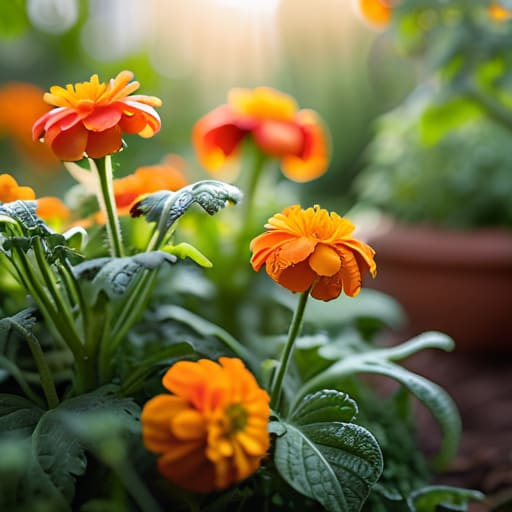
When it comes to protecting our leafy companions, I’ve always found that a gentle touch works better than a heavy hand. Instead of reaching for harsh chemicals that disrupt the delicate dance of our backyard ecosystem, I prefer leaning into companion planting for pest management. Just as Napoleon needed his cavalry, certain plants need their botanical allies to thrive. For instance, I’ve found that tucking marigolds in among my tomatoes acts like a tiny, fragrant security detail, confusing those wandering beetles before they even realize they’ve arrived.
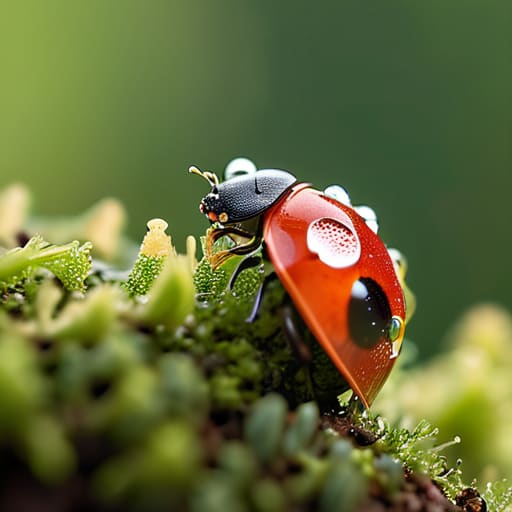
It’s also about inviting the “good guys” over for tea. I like to think of my garden as a bustling community, and by fostering a habitat for beneficial insects in the garden, we let nature do the heavy lifting for us. When you see a ladybug—let’s call her Lady Elizabeth, a true aristocrat of the rosebushes—skating across a leaf, know that she’s on a mission to keep the aphid population in check. By focusing on these eco-friendly garden protection strategies, we aren’t just fighting a war; we’re cultivating a balanced, thriving little world.
Preventative Garden Maintenance Tips for Resilient Soil
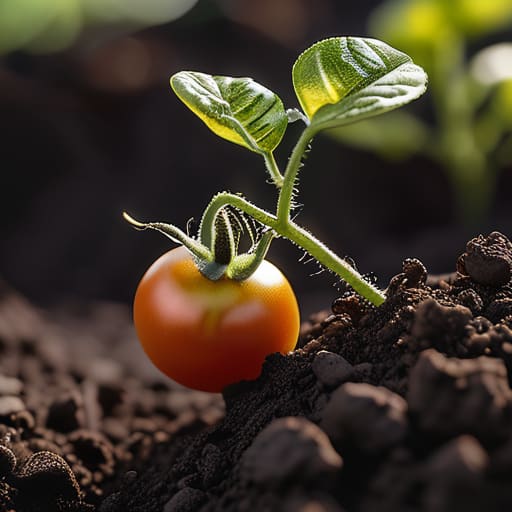
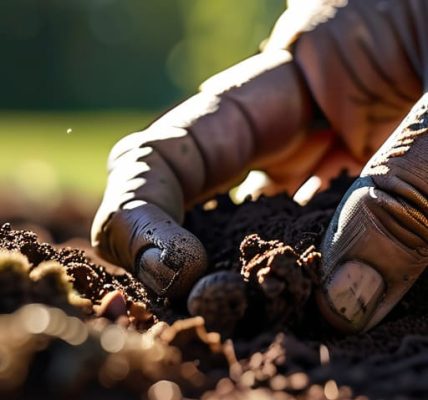
While we often focus on the battle against the invaders themselves, I’ve found that the real secret to a peaceful garden lies deep beneath our boots. Think of your soil as the foundation of a grand estate; if the foundation is weak, even the most beautiful manor will crumble. I always tell my tomatoes—who I’ve named the Churchill clan because of their sturdy, resolute stems—that a rich, well-fed soil is their best defense. By incorporating plenty of compost and organic matter, you aren’t just feeding your plants; you are building a biological fortress. This kind of preventative garden maintenance tips approach ensures that your crops have the nutritional strength to shrug off stress that would otherwise leave them vulnerable to hungry visitors.
Beyond just nutrition, we must remember that a healthy ecosystem is a balanced one. I love to practice companion planting for pest management by tucking marigolds and nasturtiums amongst my more sensitive greens. It’s like hiring a colorful security detail for your vegetable patch! When we cultivate soil diversity and plant variety, we invite a bustling community of beneficial insects in the garden to take up residence, turning your backyard into a self-regulating sanctuary rather than a constant battlefield.
Five Gentle Strategies to Keep Your Garden’s VIPs Safe and Sound
- Inviting the “Security Detail” via Beneficial Insects: Think of ladybugs and lacewings as your garden’s tiny, elite security team. By planting nectar-rich flowers like dill or fennel, you’re essentially putting out a welcome mat for these little heroes, ensuring they stick around to keep the aphid populations in check.
- The Art of the Strategic Buffet with Companion Planting: Just as I wouldn’t pair a delicate rose with a boisterous crowd, certain plants just don’t get along. Planting strong-smelling herbs like marigolds or basil near your more sensitive leafy greens can act as a fragrant shield, confusing those pesky pests and keeping them from finding their target.
- Regular “Garden Patrols” for Early Detection: I like to think of my morning walk through the rows as a little social visit with my residents—like Napoleon the Tomato, who is feeling particularly sturdy today! During these strolls, keep a keen eye under leaves for any uninvited guests; catching a small group of eggs early is much easier than dealing with a full-blown invasion later.
- Utilizing Physical Barriers with a Whimsical Touch: Sometimes, a little bit of privacy is all a plant needs. Using fine mesh netting or even simple row covers can act like a cozy, protective blanket for your seedlings, physically preventing the more aggressive flyers from making a home in your vegetable beds.
- Maintaining a Clean and Tidy “Home Base”: A cluttered garden is an invitation for trouble. By tidying up fallen fruit and clearing away old, decaying plant matter, you’re removing the hiding spots and breeding grounds that pests like slugs—I call one particularly slow fellow ‘Barnaby’—rely on to stage their tiny rebellions.
Cultivating a Balanced Sanctuary
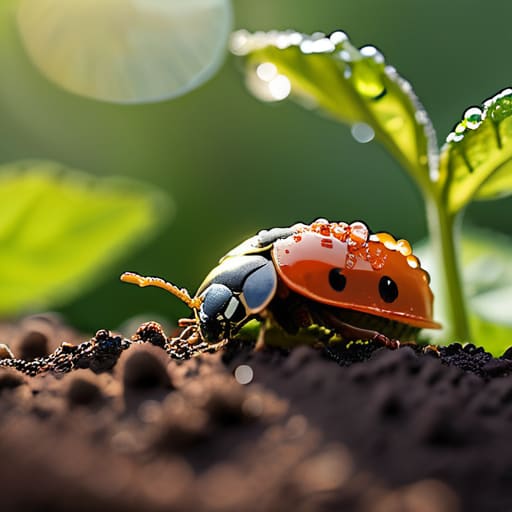
As we wrap up our little journey through the garden, remember that protecting your crops isn’t about waging a war, but rather about fostering a delicate balance. We’ve talked about everything from the gentle art of companion planting to the importance of building that nutrient-rich, resilient soil that keeps your plants strong enough to stand their ground. By implementing these organic methods and staying proactive with your maintenance, you aren’t just fighting off the likes of Sluggish Sam or the Aphid brigade; you are building a self-sustaining ecosystem that works with nature instead of against it. It’s about being a mindful steward of the little patch of earth you call your own.
Looking out over my garden today, watching Napoleon the Tomato plant soak up the afternoon sun, I’m reminded that every small effort counts toward a much larger, greener future. Homesteading can sometimes feel like an uphill climb, but there is such profound joy in seeing a seedling thrive because you took the time to nurture its world. Don’t be discouraged if a few leaves get nibbled; it’s all part of the beautiful, messy dance of life. Keep experimenting, keep learning, and most importantly, embrace the rhythm of the seasons. You are doing more than just growing food; you are sowing the seeds of resilience for generations to come.