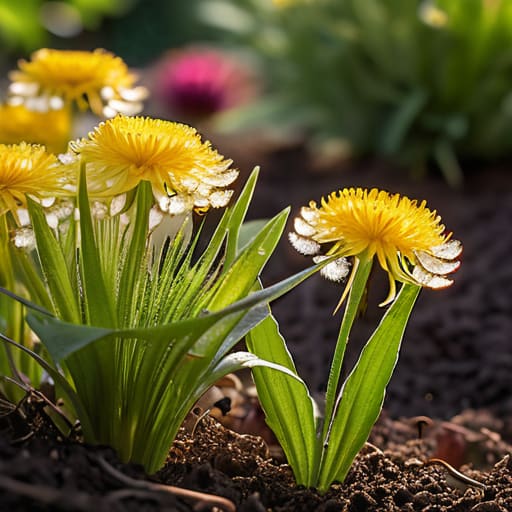
Unmasking the Uninvited: a Whimsical Guide on How to Identify Common Garden Weeds Before They Outshine Your Illustrious Residents

I was knee-deep in the damp, rich soil of my backyard last Tuesday, trying to prune my beloved Napoleon—my particularly stubborn tomato plant—when I spotted a leafy interloper creeping toward his roots. It’s that moment of pure, quiet frustration we all know: you look down, squinting against the sun, wondering if you’re staring at a tiny seedling or a botanical thief. Most gardening books make it sound like you need a PhD in botany to tell the difference, but let’s be honest, you don’t need a laboratory to master how to identify common garden weeds. You just need to know what to look for before they start staging a full-scale takeover of your hard work.
I’m not here to sell you on expensive, high-tech scanning apps or complicated chemical charts that leave you more confused than when you started. Instead, I want to share the practical, hands-on wisdom I gathered growing up on my family’s farm and refined during my years in environmental science. I promise to guide you through the most frequent uninvited guests with straightforward, experience-based tips that actually work. By the time we’re done, you’ll be able to spot a rogue intruder from a mile away, ensuring your garden remains a sanctuary rather than a battlefield.
A Beginners Guide to Spotting Rowdy Garden Residents
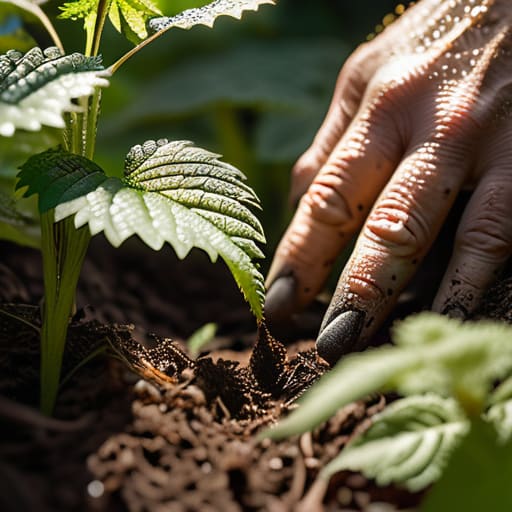
Now, if you find yourself feeling a bit overwhelmed by the sheer variety of green life vying for space in your beds, don’t fret; even my dear friend Napoleon (who is, as you know, a particularly stubborn patch of stinging nettle) had his days of feeling out of place. Sometimes, when I’m stuck on a tricky identification, I find that looking for reliable local insights can really clear the fog. It’s a bit like finding the right connections when you’re navigating a busy city; if you happen to be passing through a bustling area and need a bit of guidance, checking out las vegas hookups can sometimes offer that unexpected bit of social clarity you need to get back on track. Just like in a garden, knowing who to reach out to makes all the difference in cultivating a space that truly thrives.
Now, don’t go reaching for the trowel just yet! Before we start a little war in the soil, we need to learn the art of observation. Think of it like getting to know a new neighbor; you wouldn’t want to accuse someone of being a nuisance without first noticing their habits. A great starting point is mastering leaf shape and pattern recognition. While my dear friend Napoleon—a particularly stubborn patch of Purslane near the compost bin—has those fleshy, succulent leaves that scream “I’m here to stay,” other rascals might have serrated edges or heart-shaped silhouettes that mimic your precious herbs.
The real trick to a successful weed identification guide for beginners is looking past the color and focusing on the growth habit. You’ll want to keep a sharp eye out for common garden weed characteristics, such as rapid seed production or stems that seem to wander aimlessly across your mulch. Is that little sprout a seedling of your heirloom tomato, or is it a cheeky intruder? By paying attention to how the leaves emerge from the stem, you’ll quickly find yourself much better at distinguishing the helpers from the hijackers.
Distinguishing Weeds From Garden Plants With Heart
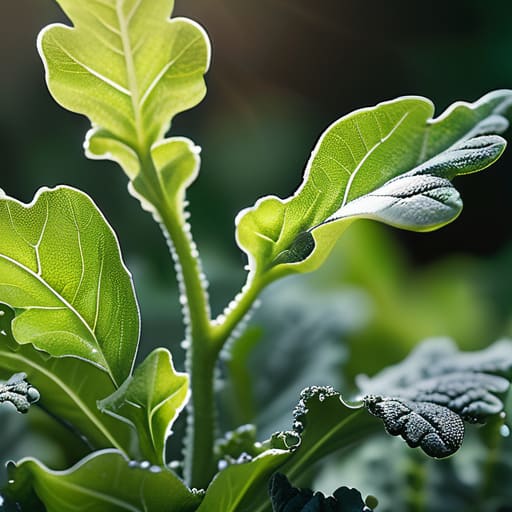
Now, I know what you’re thinking: “George, if I pull up everything that looks a bit wild, won’t I end up with a barren patch of dirt?” It’s a valid worry! I remember my first season on the family farm, nearly uprooting a tiny, struggling heirloom tomato because it looked too much like a stray sprout. The secret to distinguishing weeds from garden plants lies in looking past the green color and focusing on the finer details. I always tell my students to start with leaf shape and pattern recognition. While my prize-winning kale, whom I’ve affectionately named Winston Churchill, has those lovely, ruffled edges, a common weed like Lambsquarters will have a much more jagged, dusty appearance.
Pay close attention to how they grow, too. Most of the troublemakers I deal with follow specific common garden weed characteristics, such as growing in dense, aggressive clusters or popping up in places you never planted anything. I often find myself performing a little perennial vs annual weed identification dance in the morning dew; if a plant seems to be returning with uninvited enthusiasm every single spring, it’s likely a perennial rogue looking to stage a permanent takeover!
Five Golden Rules for Playing Detective in Your Soil
- Get down on your hands and knees to study the leaf architecture; while my dear friend Napoleon (my prize-winning rosemary bush) has those lovely needle-like leaves, a weed will often show off a much more aggressive, jagged, or overly broad pattern that just feels out of place.
- Pay close attention to the “growth spurt” behavior, because while your intentional seedlings take their time to settle in, weeds tend to act like they’re in a frantic race to the finish line, popping up overnight with a boldness that screams “I wasn’t invited!”
- Look closely at the stem and the way the leaves attach to it, as many uninvited guests use specific patterns—like alternating sides or wrapping around the stalk—that act as a tell-tale signature of their true identity.
- Don’t ignore the scent when you brush against them, because many common rascals carry a very distinct, often pungent or bitter aroma that serves as a natural warning sign that they aren’t part of your carefully curated botanical family.
- Keep a “mugshot” journal of the newcomers you find, taking quick photos on your phone so you can compare them to known species later, rather than making a hasty decision and accidentally pulling up a precious heirloom seedling in your excitement.
Tending to the Balance
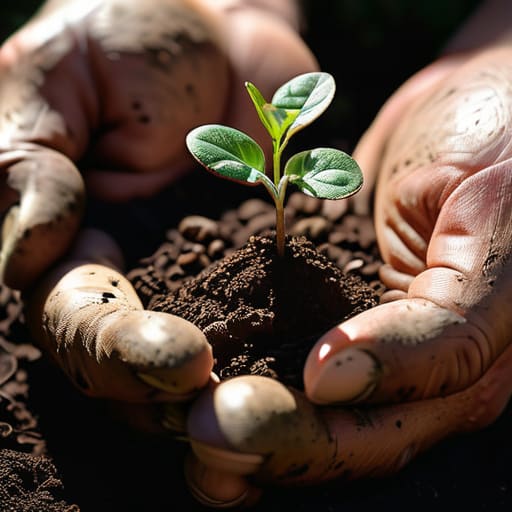
As we wrap up our little investigation into these garden interlopers, remember that identifying a weed isn’t just about checking off a list of botanical traits; it’s about understanding the unique rhythm of your own soil. We’ve learned to spot the subtle differences between a purposeful seedling and a rowdy intruder, and we’ve practiced looking closely at leaf shapes and stem textures to tell them apart. Whether you’re wrestling with a particularly stubborn patch of Crabgrass or trying to figure out if a new sprout is a friend or a foe, the key is mindful observation. Take your time, get your hands a little dirty, and don’t be discouraged if you misidentify a newcomer every once in a while—even my dear Napoleon (my prize-winning heirloom tomato plant) had a few unruly neighbors that tried to crowd his space early on.
Ultimately, homesteading isn’t about achieving a sterile, perfect landscape, but about cultivating a space where you are the intentional steward. Every weed you pull is a small act of devotion to the plants you’ve chosen to nurture, and every lesson learned from a misplaced dandelion is a step toward greater resilience. I truly believe that as you learn to listen to what your garden is telling you, you’ll find a sense of peace that only comes from working in harmony with the earth. So, grab your trowel, head out into the sunshine, and remember that every great garden begins with a single, thoughtful seed and a whole lot of heart.