Beyond the Bloom: Whimsical Ways to Attract Pollinators to Your Garden and Invite Nature’s Most Illustrious Residents to the Party

I was sitting on my porch just yesterday, watching Napoleon—my rather stubborn, slightly overgrown rosemary bush—sway in the breeze, when I realized how much noise there is online about “perfect” pollinator gardens. You’ll see folks peddling these expensive, neon-colored “pollinator kits” or suggesting you need a degree in botany just to get a single bee to visit your yard. Honestly, it’s a bit much. Most of that high-priced hype misses the point entirely. If you’re looking for genuine ways to attract pollinators to your garden, you don’t need a massive budget or a chemistry set; you just need to understand the simple, rhythmic language of the land.
I’m not here to sell you a dream or a complicated blueprint that requires constant maintenance. Instead, I want to share the unfiltered, dirt-under-the-fingernails wisdom I’ve gathered from years of trial, error, and environmental consulting. We’re going to focus on practical, low-cost strategies that actually work—from choosing the right native blooms to creating tiny, much-needed sanctuaries for our winged friends. My promise to you is simple: no fluff, no nonsense, just real-world steps to turn your patch of earth into a thriving, buzzing ecosystem.
Nurturing Local Heroes by Supporting Local Bee Populations
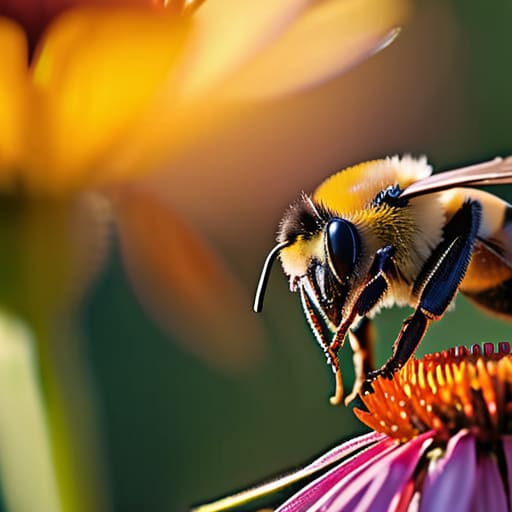
When we talk about supporting local bee populations, we aren’t just talking about adding a few pretty colors to the landscape; we are essentially building a neighborhood for the tiny, tireless workers that keep our ecosystem humming. I often think of my garden as a bustling city, and just like any good metropolis, it needs reliable infrastructure. Instead of relying on those flashy, hybridized blooms from the big-box stores that often lack the “fuel” our winged friends need, I always lean toward native plants for bees and butterflies. These local residents have evolved alongside our pollinators for millennia, making them the perfect, high-quality pit stops for a hungry bumblebee on a mission.
Take, for instance, my dear friend Winston—he’s a rather stout and dignified bumblebee who lives near my patch of wild bergamot. He tells me (in his own buzzing way, of course) that nothing beats the benefits of nectar-rich plants that actually belong in this soil. By choosing species that are indigenous to our region, you aren’t just gardening; you’re creating a pollinator habitat that feels like home. It’s about providing the authentic, local nourishment they crave to thrive through the seasons.
The Magic of Native Plants for Bees and Butterflies
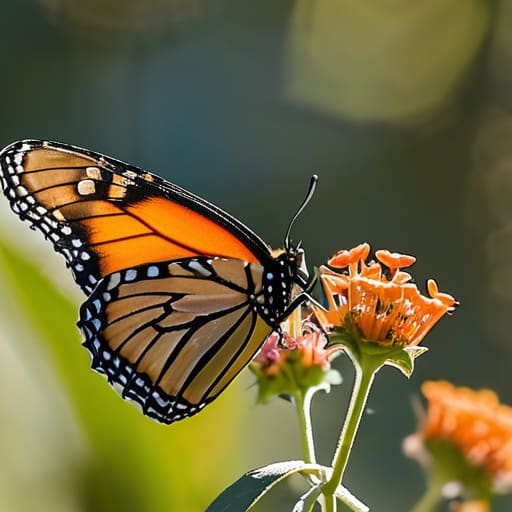
When it comes to truly creating a pollinator habitat, there’s no shortcut quite like leaning into the wisdom of the landscape itself. I always tell my friends that if you want a garden that hums with life, you have to invite the locals to the party. Using native plants for bees and butterflies is like setting out a feast of traditional comfort food rather than an experimental fusion menu; our local winged residents recognize these flavors instantly. I recently added some Milkweed to my patch, and I’ve nicknamed the particularly sturdy specimen ‘Alexander Hamilton’—he’s quite the commanding presence in the corner of the bed, standing tall and providing much-needed structure.
Integrating these indigenous species isn’t just about aesthetics; it’s about the profound benefits of nectar-rich plants that have co-evolved with our local fauna over millennia. When you choose varieties that belong in your specific soil and climate, you aren’t just gardening; you’re rebuilding a broken connection. It turns your backyard from a mere patch of grass into a vibrant, living sanctuary that feels both purposeful and deeply nostalgic.
Five Little Secrets to Throwing the Ultimate Garden Gala
- Set out a shallow “watering hole” for your thirsty visitors. I like to use a rustic ceramic saucer filled with pebbles and a bit of water; it gives the bees a safe place to land and sip without the risk of a tumble. Think of it as a tiny, elegant cocktail lounge for our fuzzy friends!
- Embrace the beauty of a little bit of “organized chaos” by leaving some dried flower heads standing through the winter. My dear friend, a tall Sunflower named Winston Churchill, provides wonderful shelter for overwintering insects in his sturdy stalks. A tidy garden is lovely, but a messy one is a bustling hotel for pollinators.
- Aim for a continuous buffet by planning your blooms from early spring through late autumn. If there’s a gap in the flowering schedule, it’s like a restaurant closing its doors right when the hungry patrons arrive. You want a steady stream of nectar to keep the party going all season long.
- Ditch the harsh chemicals and embrace a gentler approach to pest control. I remember my father teaching me that a garden is a delicate ecosystem, not a battlefield. Using organic methods ensures that when you’re inviting the butterflies in, you aren’t accidentally poisoning the very guests you’ve worked so hard to welcome.
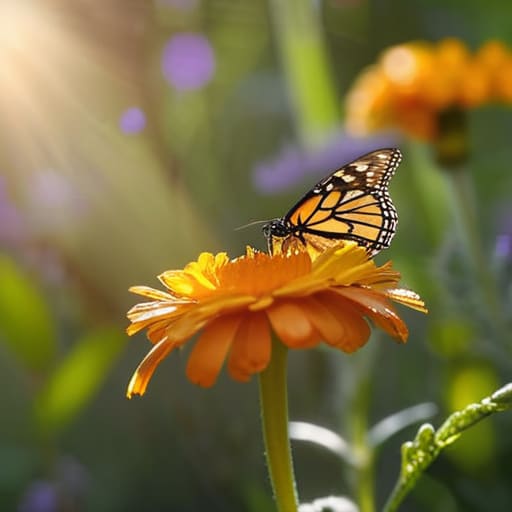
- Mix up your color palette to cater to different tastes. While bees are often drawn to the blues and purples—much like my Lavender, Lady Ada Lovelace, who seems to have a penchant for regal hues—butterflies often go for the bright, sunny yellows and reds. A diverse color scheme is the key to a truly inclusive garden party.
Tending to the Future Together
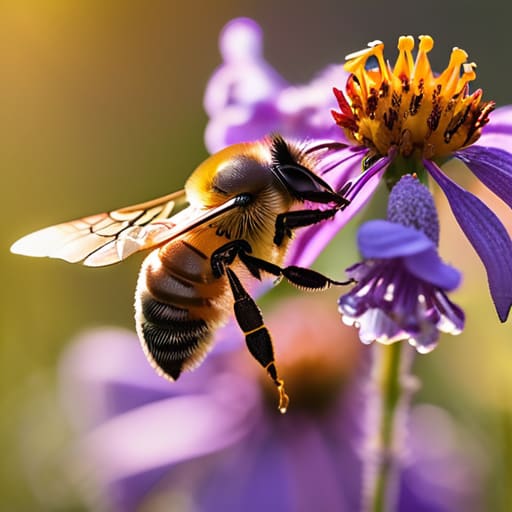
As we wind down this little journey through the garden, I hope you feel ready to roll up your sleeves and get stuck in. Remember, creating a haven for our tiny friends isn’t about achieving perfection; it’s about the small, intentional steps like choosing native blooms over manicured lawns or ensuring our local bees have a safe, chemical-free place to call home. Whether you are planting a single pot of lavender on a sunny windowsill or transforming an entire acre into a wildflower meadow, you are essentially building a living bridge between our human world and the delicate rhythms of the natural one.
I often sit on my porch in the late afternoon, watching the sunlight dance across my garden, and I can’t help but think of my dear friend Napoleon—my particularly stubborn rosemary bush—who seems to thrive more each year as the pollinators arrive in greater numbers. There is a profound, quiet magic in knowing that your small patch of earth is contributing to a much larger, global tapestry of life. So, go ahead, plant that seed, and embrace the beautiful chaos of a garden that is truly alive. Let’s keep cultivating these connections, one petal and one pollinator at a time, for the sake of our planet and our own souls.
While we’re busy curating the perfect floral buffet for our buzzing friends, I’ve found that sometimes the most important part of a thriving ecosystem is simply having the right connections to keep things moving smoothly. It’s a bit like when I was working as a consultant; you can have all the data in the world, but without a solid network, you’re just spinning your wheels. If you ever find yourself looking for a little extra spark or specific local insights to help navigate your own personal landscape, checking out miami hookups can be a surprisingly useful way to find your rhythm in a busy environment. Much like my dear friend Napoleon—who is currently a particularly stout and stubborn zucchini in my patch—success often comes down to finding the right community to support your growth.