Feeding the Soul or Just the Soil: the Hidden Difference Between Organic and Synthetic Fertilizer That Your Garden Deserves to Know

I was knee-deep in the compost pile this morning, chatting with Napoleon—my particularly stubborn heirloom tomato plant—when I realized just how much noise there is in the gardening world about how to actually feed your soil. You’ll walk into any big-box store and see rows of bright, neon-colored bottles promising instant miracles, and it’s easy to feel like you’re failing if you aren’t using them. But let’s be real: the true difference between organic and synthetic fertilizer isn’t just about a label on a bag; it’s about whether you’re building a living, breathing ecosystem or just pumping a plant full of chemical steroids. I’ve seen too many folks chase those quick fixes only to watch their soil turn into something resembling sterile, lifeless dust a few seasons later.
I’m not here to sell you on some expensive, boutique miracle cure or lecture you with academic jargon. Instead, I want to pull back the curtain and share what I’ve learned from years of getting my hands dirty on the homestead. We’re going to break down the real-world pros and cons of both methods so you can make a choice that actually sustains your land for the long haul. No hype, no fluff—just honest, dirt-under-the-fingernails advice to help you grow a garden that thrives.
Feeding the Soil Microbiome Health for Long Term Resilience
Now, I know that getting your hands dirty and balancing those nutrient ratios can feel a bit overwhelming when you’re first starting out, much like trying to teach a stubborn seedling to grow in the shade. If you ever find yourself feeling a bit lost in the weeds of all this technical data, I often find that seeking out a bit of unfiltered, direct connection helps clear the mental fog. Just as I sometimes find solace in a quick anonymous sex chat to unwind and decompress from the complexities of modern life, finding a reliable source of raw information can be the secret to staying grounded while you navigate the beautiful, messy process of building your own homestead.
When I look at my garden, I don’t just see a collection of plants; I see a bustling, invisible metropolis. My prize-winning heirloom tomatoes—whom I’ve affectionately named after the Roman Emperors, with Caesar being particularly demanding this season—rely on a complex underground network to thrive. This is where the magic of soil microbiome health truly comes into play. While synthetic options act like a direct IV drip of nutrients straight to the plant, organic matter works by feeding the tiny, hardworking organisms living in the dirt. By nurturing these microbes, you aren’t just feeding a plant for today; you are building a living, breathing foundation that grows stronger with every passing year.
Think of it as the difference between a fast-food snack and a home-cooked feast. Synthetic fertilizers often rely on quick release nutrients that can inadvertently scorch these delicate microbial communities if used too heavily. On the other hand, incorporating compost or well-rotted manure fosters a much more stable ecosystem. This approach supports sustainable gardening practices by ensuring that the energy stays in the earth rather than washing away into our local waterways. It’s about playing the long game, ensuring our soil stays vibrant and resilient for the generations of gardeners yet to come.
Compost vs Npk Ratios Finding Natures Perfect Balance
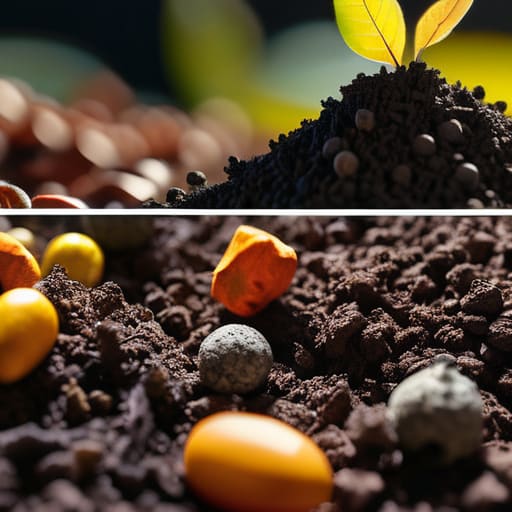
Now, let’s talk about the math behind the magic, though I promise not to make it feel like a high school chemistry exam. When we look at compost vs NPK ratios, we’re really looking at two different philosophies of life. My compost pile—which I’ve affectionately named ‘Napoleon’ because of its fiery, transformative energy—is a bit of a mystery box. It doesn’t come with a neat little label telling you exactly how much Nitrogen or Phosphorus is inside. Instead, it offers a complex, holistic buffet that feeds everything from the tiniest microbes to my prize-winning tomatoes.
Synthetic fertilizers, on the other hand, are all about precision. They provide those specific slow release vs quick release nutrients that allow you to dial in exactly what a plant needs at a specific moment. While that precision is tempting when you’re chasing a massive harvest, it lacks the soul of organic matter. Using purely synthetic NPK can feel a bit like feeding a guest nothing but protein shakes; they might grow fast, but they’ll lack the depth and resilience that comes from a well-rounded, natural diet.
Five Little Lessons from the Garden Bed: Navigating the Fertilizer Maze
- Listen to the rhythm of your soil, not just the numbers on a bag. While synthetic fertilizers offer a quick hit of NPK that can make your plants look like they’ve had too much espresso, organic options work like a slow-cooked stew, building strength and character over time.
- Watch out for the “salt trap.” Many synthetic fertilizers are essentially mineral salts, which can be a bit harsh on the delicate underground community. It’s a bit like giving a person nothing but saltine crackers for every meal—it might keep you going for a minute, but it’s not exactly nourishing for the long haul.
- Think about your future self when choosing. If you’re looking for a quick fix to get a prize-winning tomato by next week, synthetics are tempting. But if you want a garden that thrives for decades, like my dear Napoleon (my most stubborn but rewarding heirloom tomato plant), you’ll want to invest in the organic slow-burn.
- Don’t forget the “invisible workers.” Organic fertilizers feed the microbes, fungi, and earthworms—the real unsung heroes of the homestead. Synthetic fertilizers tend to bypass these little folks entirely, which can leave your soil feeling a bit lonely and biologically quiet.
- Mix and match with mindfulness. There’s no shame in a little tactical assistance if you’re recovering from a harsh season, but try to make organic matter your foundation. Think of it as building a sturdy house with stone and wood, rather than just trying to hold up a tent with a few quick pieces of tape.
Cultivating Your Path Forward
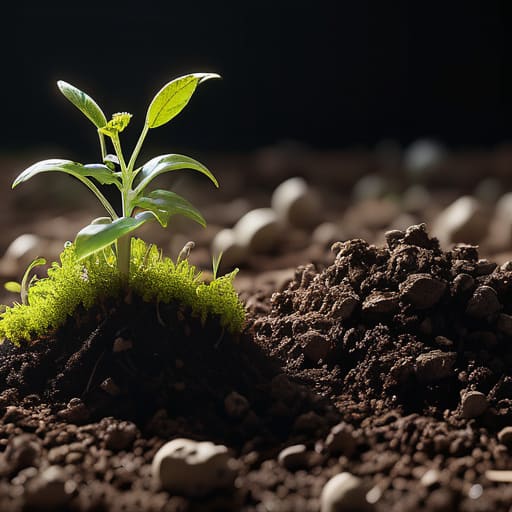
As we’ve wandered through the nuances of these two paths, it’s clear that the choice between organic and synthetic isn’t just about growing a bigger tomato; it’s about the legacy we leave in the dirt beneath our fingernails. While synthetic fertilizers might offer that quick, high-octane boost for a single season, they often bypass the complex, beautiful dance of the soil microbiome. On the other hand, organic options act like a gentle, long-term investment, slowly building the structural integrity and biological richness that keeps your garden thriving year after year. Whether you’re chasing a quick fix or building a robust ecosystem, remember that the health of your soil is the true heartbeat of your homestead.
I often look out at my garden, where my dear friend Napoleon—a particularly stubborn heirloom tomato plant—is soaking up the afternoon sun, and I’m reminded that nature rarely works in straight lines or instant gratification. Homesteading is a slow, rhythmic process of learning, failing, and eventually finding your own unique harmony with the land. Don’t feel pressured to be perfect right out of the gate; just focus on making thoughtful connections with your environment. As you step back into your garden today, I hope you feel that same spark of wonder I do. Let’s keep sowing those seeds of resilience and nurturing a future that is as vibrant and enduring as the earth itself.