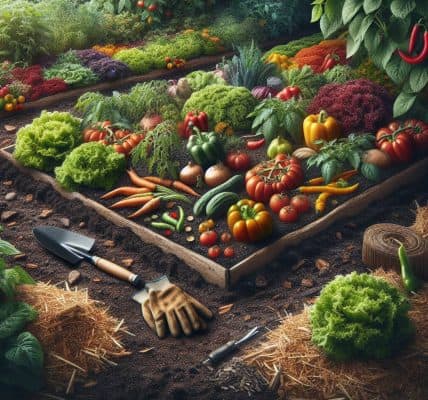
I once thought I was a gardening genius. Armed with a shiny companion planting chart, I strutted into my backyard ready to orchestrate a botanical symphony. Spoiler alert: it was more like a discordant mess. My tomatoes ended up tangled with basil in a way that looked more like a wrestling match than a harmonious duet. Turns out, blindly following a chart without understanding the ‘why’ behind it is like trying to bake a cake with random ingredients. You might get something edible, but it sure as hell won’t taste right.

But hey, I’m not here to let you fall into the same trap. Let’s sift through the clutter and get to the crux of what makes companion planting actually work. Forget the glossy charts that promise you the world and leave you with a vegetable warzone. We’ll talk about which plants actually make good neighbors and how they can fend off pests and boost growth. Stick around if you want the no-nonsense guide to giving your veggies the friends they deserve.
Table of Contents
How I Discovered the Secret Society of Plants That Actually Like Each Other
It all started one blistering afternoon when I found myself knee-deep in my scraggly vegetable patch, muttering curses at the army of aphids that had declared war on my tomatoes. I was desperate—ready to try anything short of surrendering my garden to the bugs. That’s when I stumbled upon the curious world of companion planting. It was like discovering a secret society right under my nose, one where plants not only coexisted but actually thrived together. Who knew that marigolds could be the stalwart bodyguards my tomatoes needed against the onslaught of pests? It seemed absurdly simple—pairing plants like some kind of botanical matchmaking service, but here I was, ready to give it a shot.
I dove headfirst into researching which plants were best buddies, and let me tell you, it was a revelation. Imagine my surprise when I found out that my carrots and onions could team up to fend off carrot flies and onion maggots. These plants weren’t just surviving; they were conspiring together like old friends. The more I read, the more I realized that this wasn’t just about pest control. Planting basil near my tomatoes didn’t just keep the bugs at bay; it made my tomatoes taste better—a culinary symphony orchestrated right in my backyard. This wasn’t just gardening; it was a vibrant, living strategy game, and I was hooked.
The Unvarnished Truth About Garden Alliances
In the tangled web of your veggie patch, it’s not just about what grows next to what. It’s about who fights alongside who to keep the pests at bay and the growth unstoppable.
The Unseen Alliances Beneath the Soil
Reflecting on this journey through the tangled web of companion planting, I’ve come to see my garden not just as a patch of dirt, but as a microcosm of strategy and survival. It’s a battleground where every plant has a role, whether it’s an ally or an enemy. I’ve watched as my tomatoes thrived next to basil, not because some chart told me so, but because I learned to listen to what the garden was saying. The harmony isn’t in the neat rows but in the chaos of understanding who complements whom and why.
And here’s the kicker: it’s not just about boosting growth or fending off pests. It’s about creating an ecosystem where everything feels like it belongs. Sure, I may roll my eyes at the idea of plants being pals, but there’s no denying the quiet power of these underground alliances. So, next time you’re out there, spade in hand, consider not just what you’re planting, but who they’ll be sharing soil with. Maybe then, gardening will feel less like a chore and more like an ongoing conversation with nature’s finest conspirators.