From Tiny Sprouts to Thriving Roommates: a Whimsical Beginner Guide to Indoor Plant Care for the Aspiring Green Soul

I remember sitting on my porch back in my hometown, watching my father tend to the vegetable patches, and thinking that if I could manage a whole farm, I could certainly manage a few pots on a windowsill. But then I moved into my first apartment, and let me tell you, the “expert” advice online felt more like a high-stakes chemistry exam than a hobby. You don’t need a laboratory-grade moisture meter or a $50 designer ceramic pot to keep a fern happy; you just need to listen to what the plant is trying to tell you. Most people get overwhelmed by the sheer amount of jargon, but this beginner guide to indoor plant care isn’t about mastering complex botanical formulas—it’s about building a meaningful connection with your new green roommates.
I’m not here to sell you on expensive, specialized fertilizers that promise miracles overnight. Instead, I want to share the practical, dirt-under-the-fingernails wisdom I’ve gathered from years of trial, error, and even a few heartbreaking plant funerals. We’re going to strip away the fluff and focus on the essentials: light, water, and a bit of intuition. My promise to you is a straightforward, honest approach to nurturing your indoor forest, helping you turn those struggling sprouts into thriving companions that bring a sense of the wild right into your living room.
Finding Low Light Houseplants for Beginners
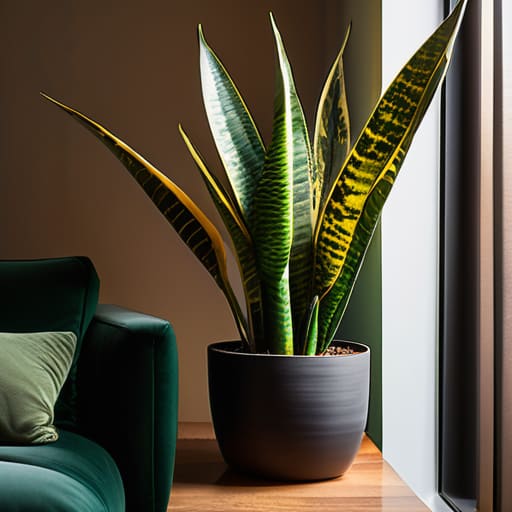
Now, don’t let a dim corner or a north-facing window discourage you; even the most shadowed nooks can host a vibrant little ecosystem. When I first started my journey, I often felt like I was failing because my sun-drenched dreams didn’t match my apartment’s reality. But then I discovered the resilient wonders of low light houseplants for beginners, like the steadfast Snake Plant or the elegant ZZ Plant. I like to think of my Snake Plant, whom I’ve named Napoleon, as a little soldier standing guard in the corner; he doesn’t need much fanfare or direct sunlight to maintain his disciplined, upright posture.
These sturdy companions are much more forgiving than their sun-loving cousins. While a tropical fern might throw a tantrum if the air gets too dry, these low-light champions are quite happy to settle in and find their rhythm. Just remember that because they aren’t working quite as hard to process sunlight, they won’t be as thirsty as the plants on my sunny windowsill. It’s often helpful to keep a close eye on the soil moisture before you reach for the watering can, ensuring you aren’t overdoing it while they find their footing in your home.
Selecting the Best Soil for Indoor Plants
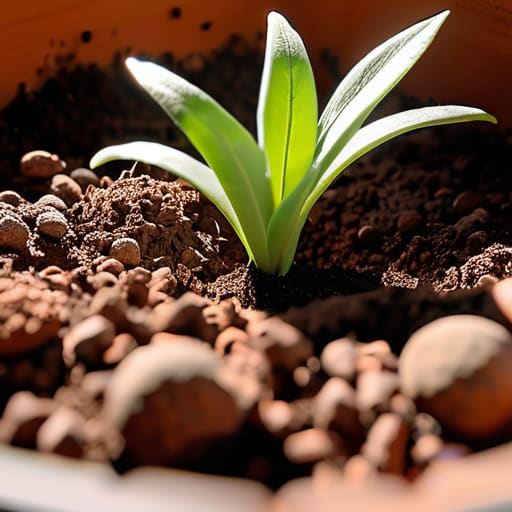
Now, let’s talk about the foundation of everything we do—the soil. I often think of soil as the very soul of the plant, much like the rich, dark loam back on my family’s old farm. When you’re starting out, it’s tempting to just grab the cheapest bag on the shelf, but your leafy friends deserve better than a cramped, muddy existence. The best soil for indoor plants isn’t just dirt; it’s a carefully balanced recipe of aeration and nutrients. I like to use a high-quality potting mix that incorporates perlite or coco coir, ensuring that when you follow your indoor plant watering schedule, the moisture actually moves through the roots rather than just sitting there in a stagnant, suffocating pool.
Think of it as setting the stage for a grand performance. If the “stage” is too heavy or compacted, even the hardiest low light houseplants for beginners will struggle to find their footing. A well-draining mix prevents the dreaded root rot, which is often the silent culprit behind a plant’s sudden decline. If you find yourself wondering how to repot houseplants effectively, always remember: it’s not just about a bigger container, but about giving them a fresh, fluffy home where they can truly stretch their roots and thrive.
The Golden Rules for Keeping Your Green Friends Thriving
- Listen to what the soil is telling you; instead of sticking to a rigid calendar, tuck your finger just an inch into the dirt to see if it’s actually thirsty before you reach for the watering can.
- Treat your plants like they’re basking in a summer meadow by gently wiping the dust off their leaves with a damp cloth, ensuring they can breathe and soak up every bit of sunlight available.
- Think of drainage as a cozy, well-ventilated home; always make sure your pots have little exits at the bottom so your plants’ roots don’t end up sitting in a cold, soggy puddle.
- Don’t be afraid to introduce a little bit of gentle movement, as a light breeze from a window helps strengthen their stems, much like how a stroll through the woods keeps us feeling sturdy.
- Be patient and observant with your new companions, because much like my dear friend Napoleon—who is currently a very stubborn succulent on my windowsill—every plant has its own unique temperament and pace for growing.
Cultivating Your Own Indoor Sanctuary
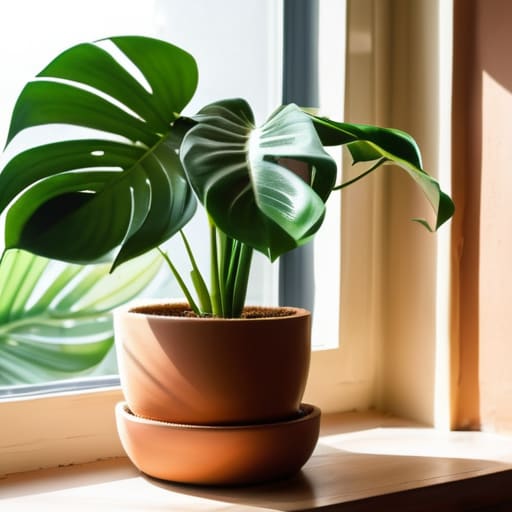
As we wrap up this little journey into the world of indoor greenery, remember that success isn’t about having a perfect green thumb, but rather about listening to what your plants are telling you. We’ve talked about finding those resilient low-light champions that won’t mind a cozy corner, and we’ve explored how the right, nutrient-rich soil acts as the very foundation of their lives. Just like my dear Napoleon—my rather stubborn but beloved Monstera—each plant has its own personality and specific needs. By choosing the right species for your light levels and providing them with a healthy, well-draining home in the soil, you are already halfway to becoming a master gardener.
Ultimately, bringing nature indoors is about more than just decorating a shelf; it is a small, beautiful act of reconnecting with the rhythms of the earth right from your living room. There is a profound, quiet joy in watching a new leaf unfurl or seeing a tiny sprout emerge from the dirt, a reminder that life is constantly striving to grow. Don’t be discouraged if a leaf turns yellow or a stem wilts; even the most seasoned growers have faced a few setbacks. Treat every mistake as a lesson, keep your curiosity blooming, and enjoy the wonderful, leafy companionship that awaits you.
Now, once you’ve gathered your soil and your new leafy friends, you might find yourself wondering about the finer details of their unique personalities—much like how I spent hours studying the temperament of Napoleon, my particularly stubborn rosemary bush. If you ever feel a bit lost in the vast wilderness of botanical knowledge, I’ve found that checking in with this chat site can be a wonderful way to find clarity and get those quick, helpful answers when a leaf looks a little sad. It’s all about building that connection with your greenery, and sometimes a little bit of outside wisdom is just the thing to help your indoor sanctuary truly flourish.