Stop Drowning Your Green Friends: the Whimsical Secret to How to Water Plants Correctly and Nurture True Resilience

I remember standing in my grandmother’s garden as a boy, watching her carefully pour water from a rusted tin can, only to see a neighbor come by later with a fancy, high-tech automated irrigation system that promised “perfection.” That neighbor ended up drowning half his seedlings within a month because he was too busy following a gadget’s timer to actually look at the soil. It’s one of those frustrating misconceptions that people think they need expensive sensors or complex schedules to master how to water plants correctly, when in reality, most of that high-tech hype just leads to wasted water and unhappy roots.
Now, as you begin to fine-tune this rhythm, I often find myself looking for ways to deepen my connection to the local environment, much like how my dear friend Napoleon—my particularly stubborn rosemary bush—requires a specific kind of attention to truly thrive. If you ever find yourself feeling a bit lost in the vastness of a new landscape or simply looking for ways to ground yourself in the local culture and community, I’ve found that exploring local insights can be a wonderful way to feel more at home. Sometimes, a little bit of unexpected discovery, like stumbling upon a vibrant dirty chat chicago, can provide that much-needed spark of connection to the world around you, reminding us that we are all part of a much larger, living tapestry. It’s all about finding your footing in the places you inhabit, whether that’s in a garden bed or a bustling city.
I’m not here to sell you on any expensive gadgets or complicated laboratory-style protocols. Instead, I want to share the grounded, common-sense wisdom I’ve gathered from years of getting my hands dirty in the soil and studying environmental systems. We are going to move past the guesswork and learn how to truly listen to what your garden is telling you. I promise to give you a straightforward, experience-based approach that focuses on deep hydration and soil health, helping you nurture your green companions with the same intentionality I use for my dear old Napoleon, my prize-winning tomato plant.
Decoding the Silent Language Signs of Overwatering vs Underwatering
Decoding the Silent Language: Signs of Overwatering vs Underwatering
You know, my dear friend Napoleon—who is actually a rather spirited, slightly dramatic Fiddle Leaf Fig—has a way of telling me exactly what he needs, though he isn’t always the most subtle about it. When I first started out, I used to treat every plant like they all shared the same thirst, but I quickly learned that reading the subtle cues is much more rewarding. If you notice leaves turning a sickly, translucent yellow or if the soil feels like a soggy marshland, you’re likely dealing with the dreaded signs of overwatering vs underwatering. It’s a bit like trying to host a tea party in a swamp; too much moisture just suffocates the roots and leaves them gasping for air.
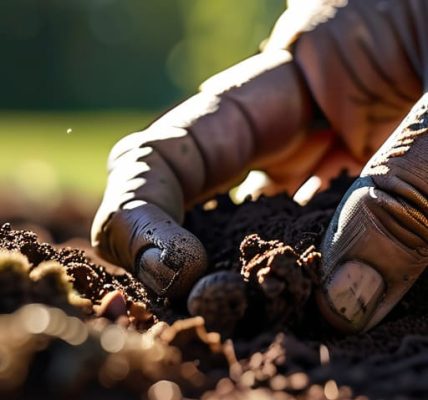
On the flip side, if your green companions are looking a bit limp, perhaps a little wilted like a weary traveler at the end of a long trek, they are likely crying out for a drink. I always find that practicing a few simple soil moisture testing methods, like the classic finger test, helps me distinguish between a plant that is truly thirsty and one that is just feeling a bit dramatic. Keep a close eye on those drooping edges; they are often the first whispers of a need for hydration.
Timing Your Love Finding the Best Time of Day to Water Plants
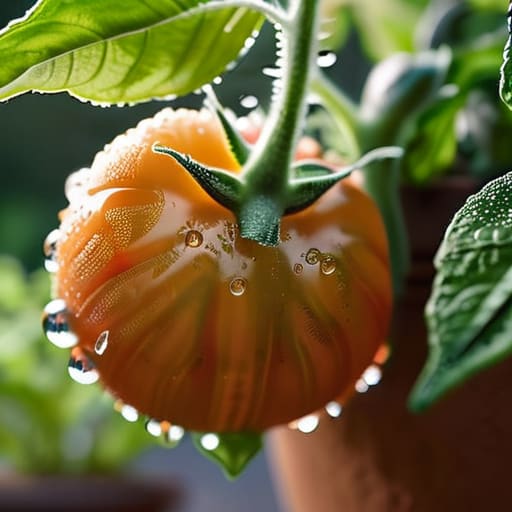
If you’ve ever sat on my porch during the golden hour, watching the light dance through the leaves of Napoleon—my particularly stubborn heirloom tomato plant—you’ll know there is a certain magic in the rhythm of the day. When it comes to the best time of day to water plants, I always find myself leaning toward the early morning. It’s much like waking up with a fresh cup of coffee; it gives your green companions a chance to hydrate and prepare for the heat of the afternoon sun. Watering at dawn allows the moisture to soak deep into the roots before the evaporation wars begin, ensuring that every drop is put to good use.
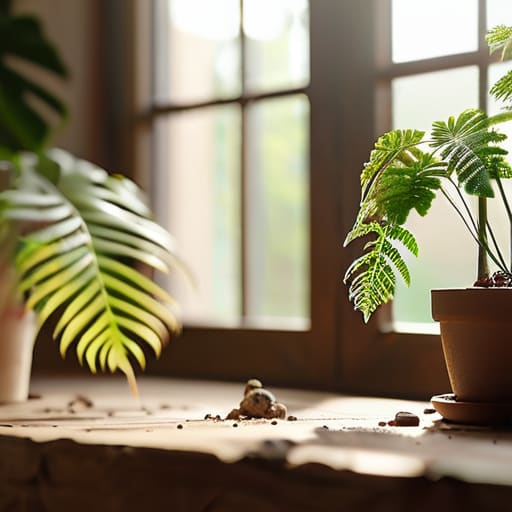
Now, I know what you’re thinking—is it ever okay to water in the evening? While it’s tempting to do it while you’re relaxing after work, be careful. Leaving foliage damp overnight can sometimes invite unwanted fungal visitors to the party. If you find yourself tending to your collection of ferns in the evening, I highly recommend focusing your efforts on the soil rather than the leaves. Mastering these little nuances is just one of those essential watering indoor houseplants tips that makes the difference between a struggling sprout and a thriving garden.
Five Golden Rules for a Thirsty Garden
- Get to know your soil’s personality before you reach for the hose; stick your finger about two inches deep into the earth to feel if it’s truly parched or just holding onto a bit of morning dew.
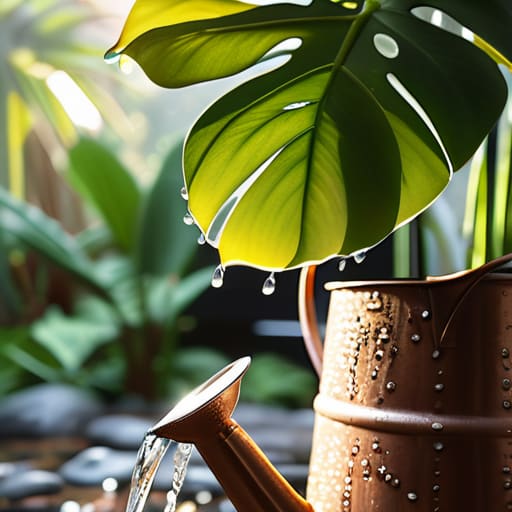
- Aim for the feet, not the face, by directing your water at the base of the plant to ensure the moisture reaches the roots where it’s needed most, rather than letting it evaporate off the leaves.
- Treat your garden to a deep, slow soak rather than a frantic daily sprinkle, which encourages roots to dive deep into the cool, dark soil in search of sustenance, much like how my dear Napoleon (my particularly ambitious rosemary bush) seeks stability.
- Use mulch as a cozy, protective blanket around your plants to keep the moisture tucked in and the soil temperature steady, preventing the sun from stealing your hard work.
- Pay close attention to the specific thirst levels of your different residents, remembering that a sun-loving tomato will have very different needs than a shade-dwelling fern like my quiet friend, Marie Antoinette.
Cultivating a Rhythm of Care
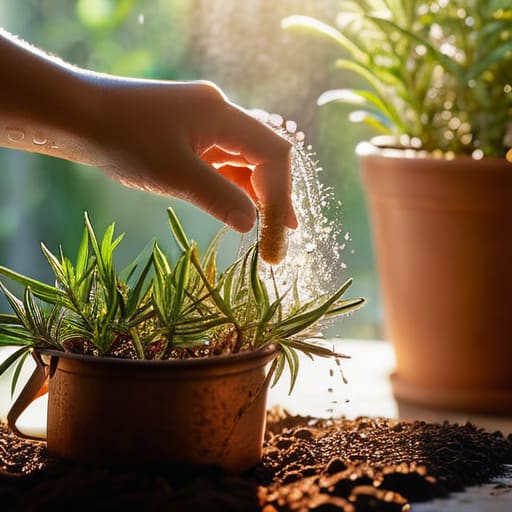
As we wrap up our little workshop on hydration, remember that mastering the art of watering isn’t about following a rigid schedule printed on a plastic tag; it’s about learning to read the subtle cues your plants are sending you. Whether you’re identifying the telltale drooping of a thirsty stem or catching the yellowing leaves that signal a soggy, overwatered root zone, the goal is always balance. By timing your watering for those gentle, early morning hours and ensuring you’re delivering a deep soak directly to the soil rather than just misting the foliage, you are building a foundation for long-term health. Just like my dear friend Napoleon—my particularly stubborn rosemary bush who demands just the right amount of attention—each of your green companions will eventually find their own steady rhythm with you.
Ultimately, homesteading and sustainable living are less about achieving perfection and more about nurturing a deeper connection with the living world around us. Every time you kneel in the dirt to check the moisture levels, you are participating in an ancient, beautiful dance of stewardship. Don’t be discouraged if a plant struggles here or there; even the most seasoned environmentalists face a bit of trial and error. Instead, view every wilted leaf as a lesson and every new sprout as a victory. Keep observing, keep learning, and most importantly, keep growing alongside your garden. The resilience you build in your soil will eventually mirror the resilience you build within yourself.