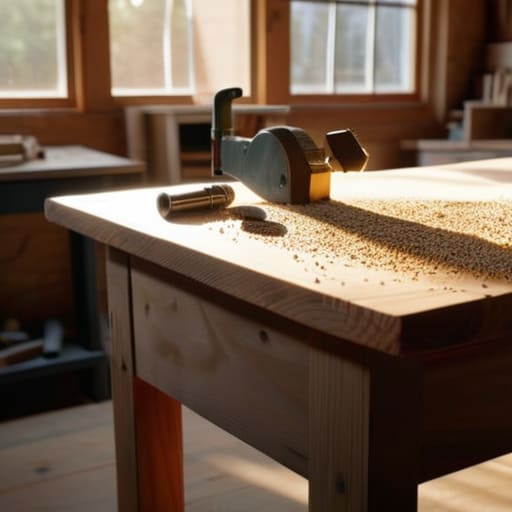

I remember sitting on the porch of my family’s old farmhouse, watching my grandfather turn a rough slab of cedar into a smooth, functional bench. Back then, it felt like magic, but looking back through my environmental science lens, I realize it was actually a deep, rhythmic dialogue between man and material. Many of you reaching out to me feel a bit overwhelmed by that same mystery, staring at a mountain of shiny hardware at the local shop and wondering where to even begin. It’s easy to feel like you need a massive, power-hungry workshop to make a difference, but finding the right essential woodworking tools for beginners is less about buying everything in sight and more about selecting the right companions for your journey.
In the following guide, I’m going to strip away the noise and focus on the soul of the craft. I’ve curated a list of seven foundational items that will allow you to move from mere curiosity to creating something truly lasting. We aren’t just looking at gadgets; we are identifying the sturdy anchors of a budding workshop. By the end of this, you’ll have a clear, actionable roadmap to start shaping your own homestead heirlooms with confidence and purpose.
The Measuring Tape's Golden Rule
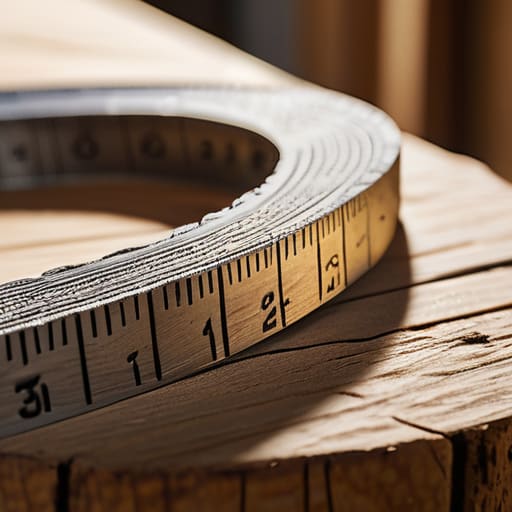
Before we even touch a saw, we have to talk about the art of precision. I often tell my friends that a project is only as strong as its first measurement, and there’s nothing quite like the tactile satisfaction of a high-quality steel tape. It’s your first line of defense against a pile of expensive, mismatched lumber, acting as the silent architect of your entire homestead endeavor.
The Soul of the Saw
There is a certain magic in the sound of a saw biting into a fresh piece of cedar, a rhythmic song that signals progress. For a beginner, I always suggest starting with a sturdy handsaw rather than rushing straight into the roar of electric power tools. A hand tool requires a bit more patience and rhythm, but it allows you to truly feel the density and direction of the wood fibers as you work.
The Gentle Grip of the Clamp
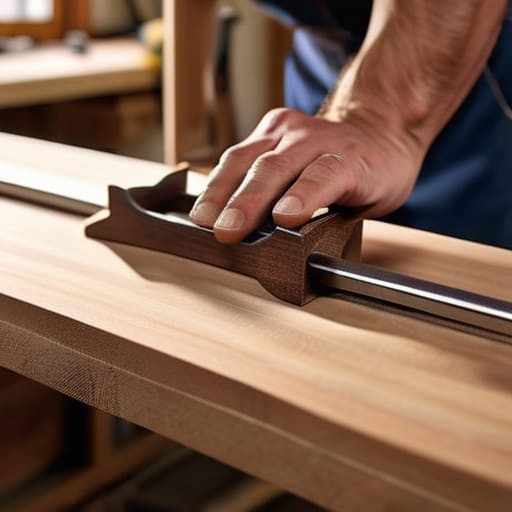
If wood is the body of your project, then clamps are surely the sinews that hold everything together while the glue sets. I like to call them the “unsung heroes” of the workshop because, while they don’t do the flashy cutting or shaping, nothing stays true without them. You can never have too many, and I’ve often found myself jokingly asking my garden, “Napoleon, do you think we need one more pair of clamps for this bench?”
The Smoothing Touch of Sandpaper
There is a profound sense of peace that comes from the repetitive, meditative motion of sanding. It is the final stage where the rough edges of your labor are softened, turning a jagged piece of scrap into something that feels velvety and intentional under your fingertips. It’s the transition from a mere object to a finished piece of craftsmanship that belongs in a home.
The Precision of the Hammer
Every workshop needs a reliable hammer, a tool that feels balanced and purposeful in your palm. I’ve always viewed the hammer as the heartbeat of the construction process, providing the rhythmic force needed to drive home nails or seat a chisel. It’s a tool of strength and intention, requiring a steady hand and a clear eye to ensure every strike is purposeful rather than frantic.
The Keen Edge of the Chisel
While saws are for the big decisions, the chisel is for the whispers and the nuances. It is a tool of incredible delicacy, capable of carving out intricate joinery or cleaning up a corner that a saw simply cannot reach. Using a chisel requires a heightened sense of awareness, as you are essentially sculpting the wood with controlled, surgical strikes.
The Guiding Line of the Square
Finally, we must discuss the carpenter’s square, the tool that ensures your world remains upright and true. Without a square, even the most beautiful piece of joinery can end up leaning precariously, like a sapling struggling in a heavy wind. It is the ultimate arbiter of truth in your workshop, providing the geometric certainty that your corners are exactly ninety degrees.
Cultivating Your Craft
As you look over your growing collection of tools, don’t feel overwhelmed by the sheer potential of what you can create. From the precise bite of your saw to the smooth finish provided by your hand planes, each implement is a bridge between a raw idea and a tangible piece of your homestead’s history. Remember, you don’t need a massive, expensive workshop to begin; you simply need these foundational companions and the patience to learn their rhythms. Whether you are building a simple birdhouse or a sturdy raised garden bed for my dear friend Napoleon (he’s a particularly spirited tomato plant this year), having the right basics ensures that your journey is defined by intentionality rather than frustration.
Woodworking is much like tending to a garden; it requires a gentle hand, a bit of grit, and a lot of heart. There will be days when a joint doesn’t quite fit or a cut goes awry, but those are often the moments where the most profound learning happens. I hope you approach every grain of timber with the same curiosity I feel when I’m tinkering with my latest solar-powered gadget. Embrace the sawdust, celebrate the small victories, and most importantly, trust the process. By picking up these tools, you aren’t just making objects; you are sowing the seeds of self-reliance that will nourish your soul for years to come.
As you begin to find your rhythm with these tools, don’t forget that the most important part of homesteading isn’t just the gear, but the community you build along the way. Whether you’re troubleshooting a tricky joint or just looking for a bit of friendly conversation to brighten a quiet evening in the workshop, finding a sense of connection is vital for keeping that creative spark alive. If you happen to be navigating life in the UK and find yourself craving a bit of social interaction to balance out those long hours of solo crafting, you might find some unexpected warmth and companionship through local chat in UK. It’s those small, meaningful connections that truly turn a solitary hobby into a well-rounded way of life.