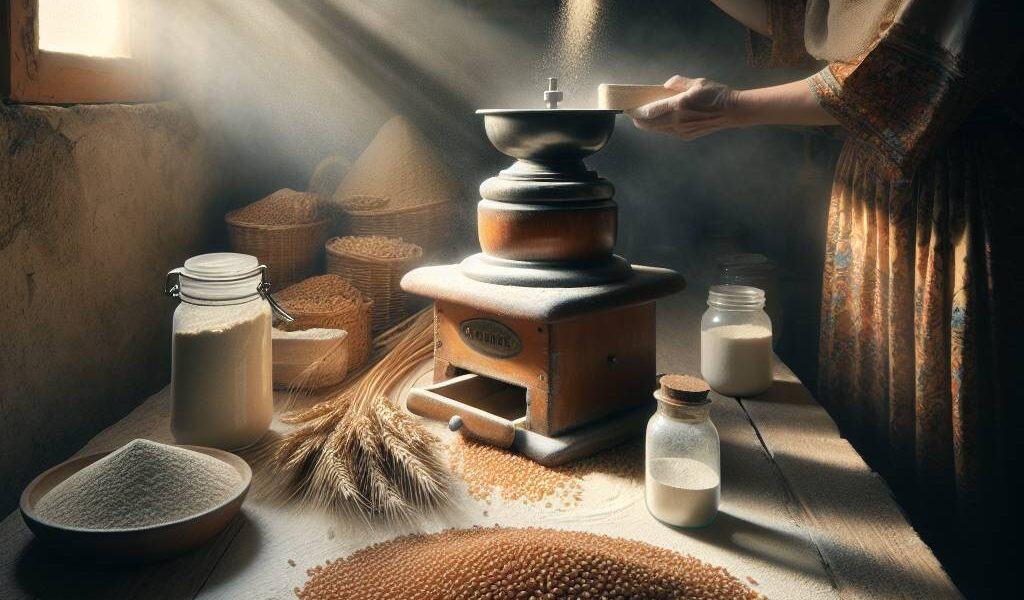

I never thought I’d be the kind of person who’d turn their kitchen into a flour disaster zone. But here I am, mid-battle with a mountain of wheat berries, and my trusty coffee grinder wheezing like an asthmatic gerbil. This wasn’t exactly the pastoral dream I had in mind. My first attempt at grinding flour was more comedy than culinary genius, with flour dust coating every surface and a noise that could wake the dead. But, hey, who needs store-bought certainty when you can have the rustic satisfaction of knowing exactly what lurks in your bread?
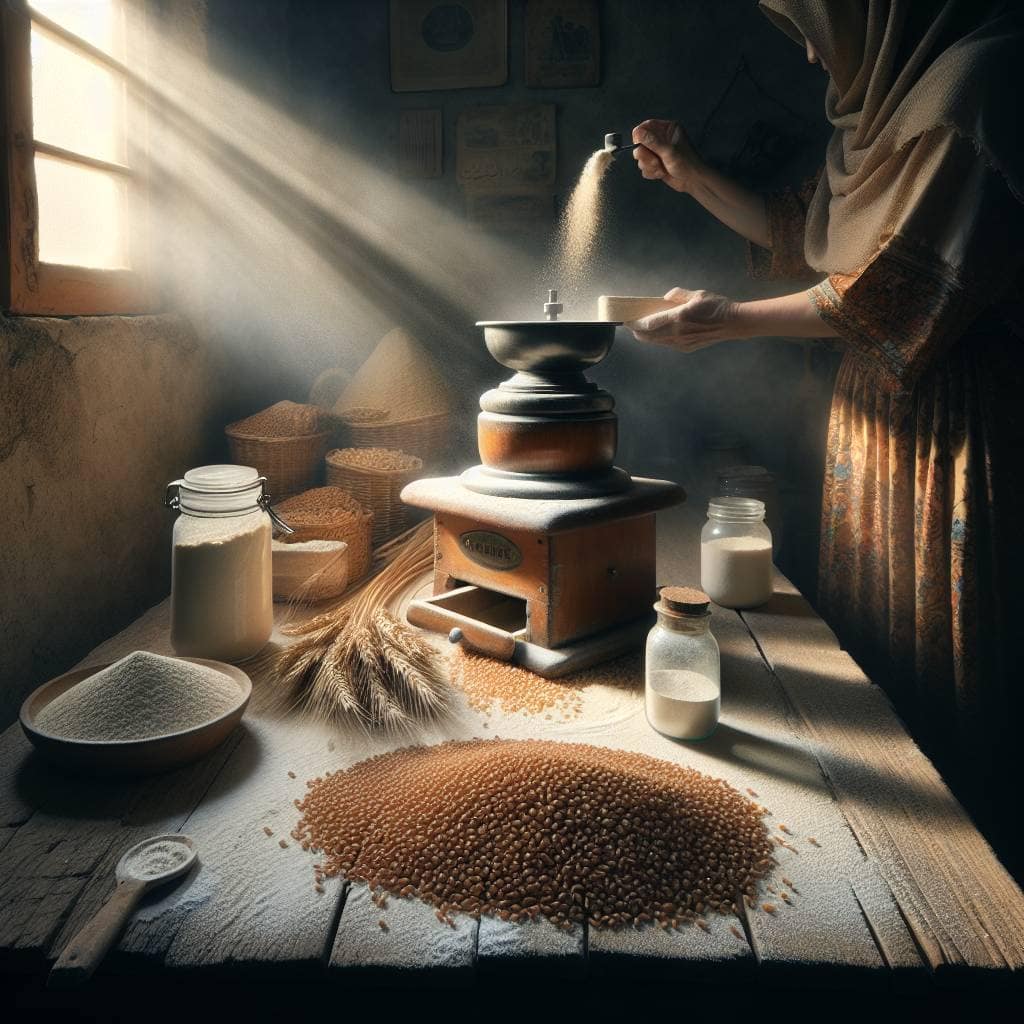
If you’re ready to ditch the pre-packaged mystery bags of flour and embrace the chaos, stick around. I’ll walk you through this gritty process—warts and all. From choosing the right grains to picking a grinder that won’t self-destruct on the first use, I’ve got the lowdown. Fresh flour has its perks, and I’m here to share the hard-earned wisdom that comes from getting your hands dirty. Let’s get real about turning whole grains into the freshest flour you’ve ever tasted.
Table of Contents
My Love-Hate Relationship with the Grain Grinder
Ah, the grain grinder. A contraption that brings an equal mix of joy and frustration into my life. Let me take you through the rollercoaster of emotions I experience every time I wrestle with it. Picture this: a hulking machine that looks like it could double as a medieval torture device. It demands space, patience, and a certain level of mechanical sympathy that I’m not always ready to give. But when I do get it right—when the wheat, spelt, or rye transforms from whole grains into flour as fine as dust—it’s like watching magic happen. The aroma of fresh, untouched flour is incomparable, awakening memories of fields and harvests, a direct connection to the earth.
But don’t let the romance of fresh flour fool you. The reality? It’s a love-hate tango. The grinder is noisy, like a small jet engine taking off in my kitchen. And let’s not even mention the clean-up. Flour ends up everywhere—on the counter, in my hair, possibly even in the cat’s fur. So why bother? Because there’s something undeniably satisfying about knowing exactly what goes into my bread. No preservatives, no mystery additives. Just pure, fresh flour. It’s the kind of satisfaction that makes the chaos worth enduring.
When Wheat Meets Willpower
In every handful of whole grains, there’s a story of resilience. Grinding your own flour isn’t just about the fresh flour; it’s about reclaiming a forgotten craft, one noisy, dusty batch at a time.
From Grain to Grind: My Flour Epiphany
Staring at the grains swirling in my grinder, I realized something profound. This isn’t just about flour. It’s about rediscovering the integrity of food, the primal satisfaction of creating something from scratch. Sure, it’s gritty and sometimes a pain, but there’s an authenticity to knowing my bread starts as a humble wheat kernel. Freshly ground flour isn’t about chasing some romanticized notion of rustic living; it’s about confronting the roots of what we consume.
In the end, grinding my own flour became a metaphor for life itself—messy, rewarding, and undeniably real. It’s easy to forget the whole picture when convenience blinds us. But there’s something liberating about taking control, about feeling the granules slip through my fingers, about knowing this isn’t just sustenance but a choice to embrace quality. So here’s to the grind—may we all find the patience to appreciate the journey, one grain at a time.