
I once thought growing onions was a no-brainer, just a simple step up from those sad little chives languishing in my kitchen window. Spoiler alert: I was wrong. My first attempt involved a rogue squirrel, a torrential downpour, and a misguided belief in my ability to control nature. By the time I’d finished, the only thing thriving was my frustration. You’d think onions would be forgiving, given their robust flavor and hardy reputation. But no, they demand respect, patience, and a touch of humility—qualities I had to cultivate alongside my crops.
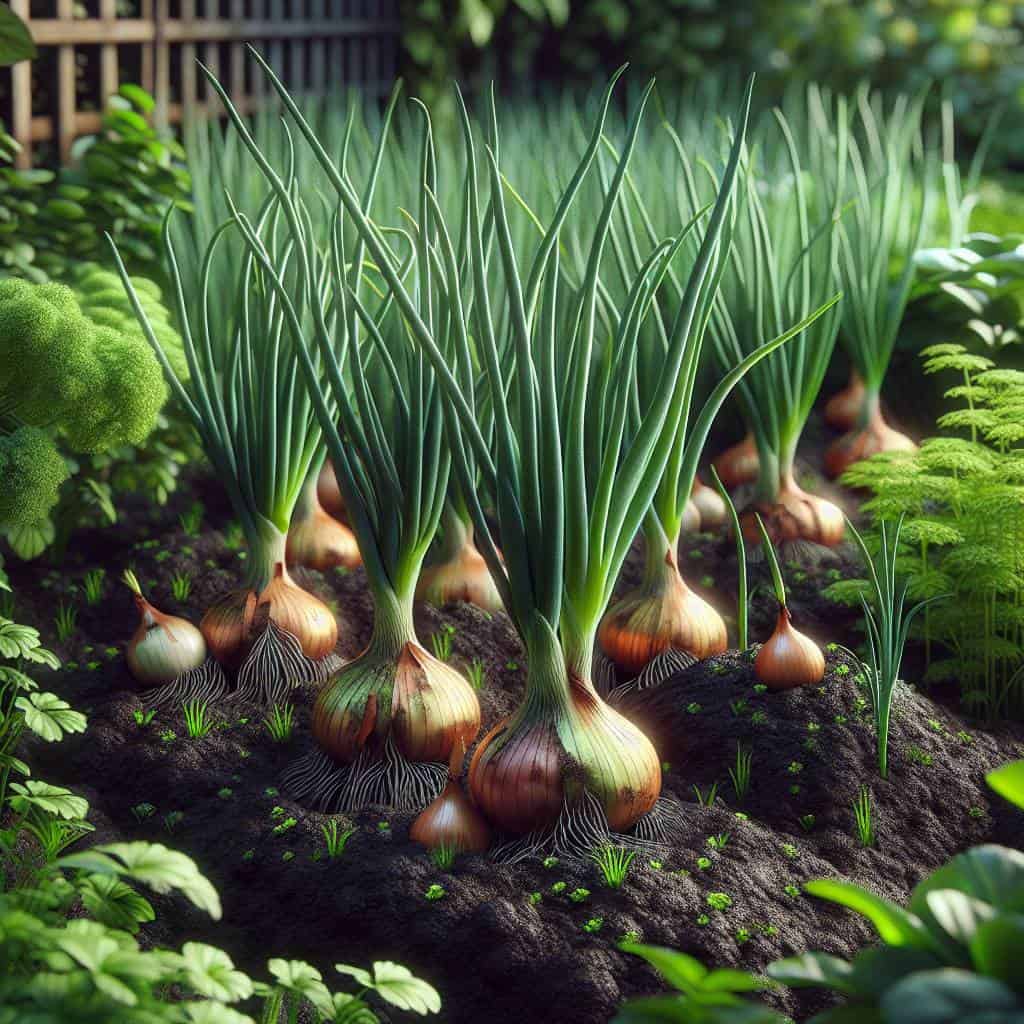
So, if you’re ready to embark on this odyssey of dirt and determination, stick around. This isn’t just about sticking seeds or sets into the ground and hoping for the best. I’ll walk you through the whole saga, from the right time to plant, to when you can finally pull those beauties from the earth. We’ll tackle harvesting, curing, and storing, so you don’t end up with a pantry full of mushy regret. Consider this your no-nonsense guide to onions, minus the fluff and with just enough grit to keep it real.
Table of Contents
The Great Onion Experiment: When to Plant and When to Hope
So, you fancy yourself an onion grower, eh? Let’s dive right into this odyssey, which I like to call “The Great Onion Experiment.” First up: when to plant. You might think it’s as simple as picking a day with decent weather and getting your hands dirty. But no, onions have their own rhythm. Whether you’re starting from seed or sets, timing is everything. Seeds require a head start indoors, around 8 to 10 weeks before the last expected frost. Sets, those tiny bulbs of potential, are more forgiving and can be planted directly into the soil as soon as it’s workable. But here’s the kicker—both need a good dose of patience. You’re not just planting onions; you’re planting hope.
Now, about that hope. Growing onions is an act of faith. You’re coaxing life from a seed or a set, with nothing more than dirt, water, and sheer will. And nature? She’s fickle. Sure, you can track the calendar and monitor soil temperatures, but in the end, you’re at her mercy. There will be moments when the sprouting seems slow or the bulbs too small. That’s when you muster your resolve, because the real reward—those crisp, savory onions—is worth the wait. Harvesting is only the beginning. You’ve got curing and storage ahead, where the true test of your efforts unfolds. So, plant with intention, hope with heart, and remember: the journey is just as important as the destination.
The Unvarnished Truth About Onions
Planting onions isn’t just about when to sow or how to harvest. It’s about understanding that patience is your only true ally, and the soil will test you long before it rewards you.
The Unexpected Wisdom of Onions
Here’s the thing about growing onions: it teaches you far more than how to cultivate a vegetable. It’s a test of patience, a lesson in timing, and a nod to the raw authenticity of nurturing life from seed to harvest. When I first plunged my hands into the soil, I wasn’t just planting; I was signing up for a rollercoaster of hope and frustration. But isn’t that the essence of any worthwhile journey? Patience is a scarce commodity in a world that demands instant gratification, and onions don’t care about your schedule. They’ll take their sweet time, thank you very much.
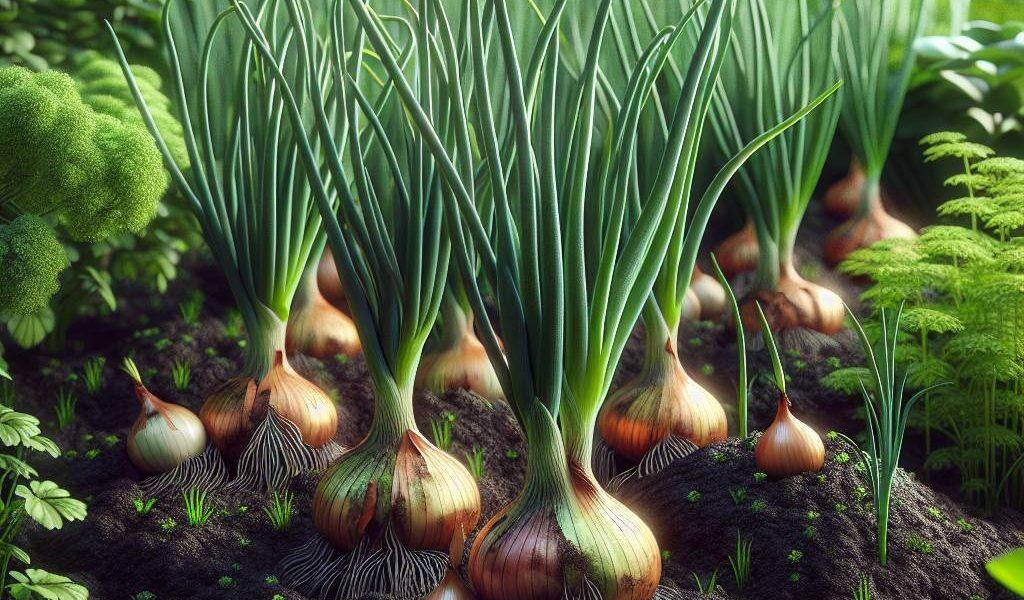
As I step back and look at my cured onions hanging like trophies in a storage room that smells like the earth, I realize this process isn’t about perfection. It’s about embracing the messy, rewarding ride of growth. So, whether you’re in it for the long haul or just dipping your toes into the gardening world, remember that every bulb has its story. And if you listen closely, you might just learn something about yourself along the way. Here’s to muddy hands and the quiet triumph of pulling a sturdy onion from the dirt—against all odds.