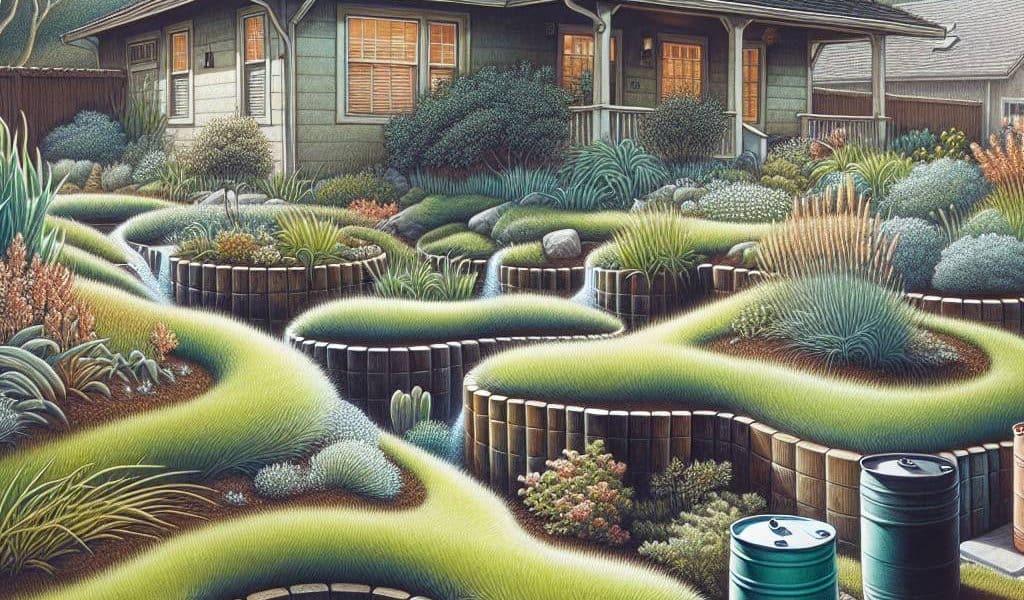

I once thought water management was just a fancy term for “let’s see how many rain barrels we can fit in the yard.” I laughed at the idea of swales, imagining them as mystical trenches dug by garden gnomes. Then came the season of unending rain, and I found myself ankle-deep in my own version of the Great Lakes, right in the basement. Turns out, dismissing water management was about as wise as ignoring a leaky roof during a monsoon. So here I am, a humbled convert, eager to share what I’ve learned the hard way.
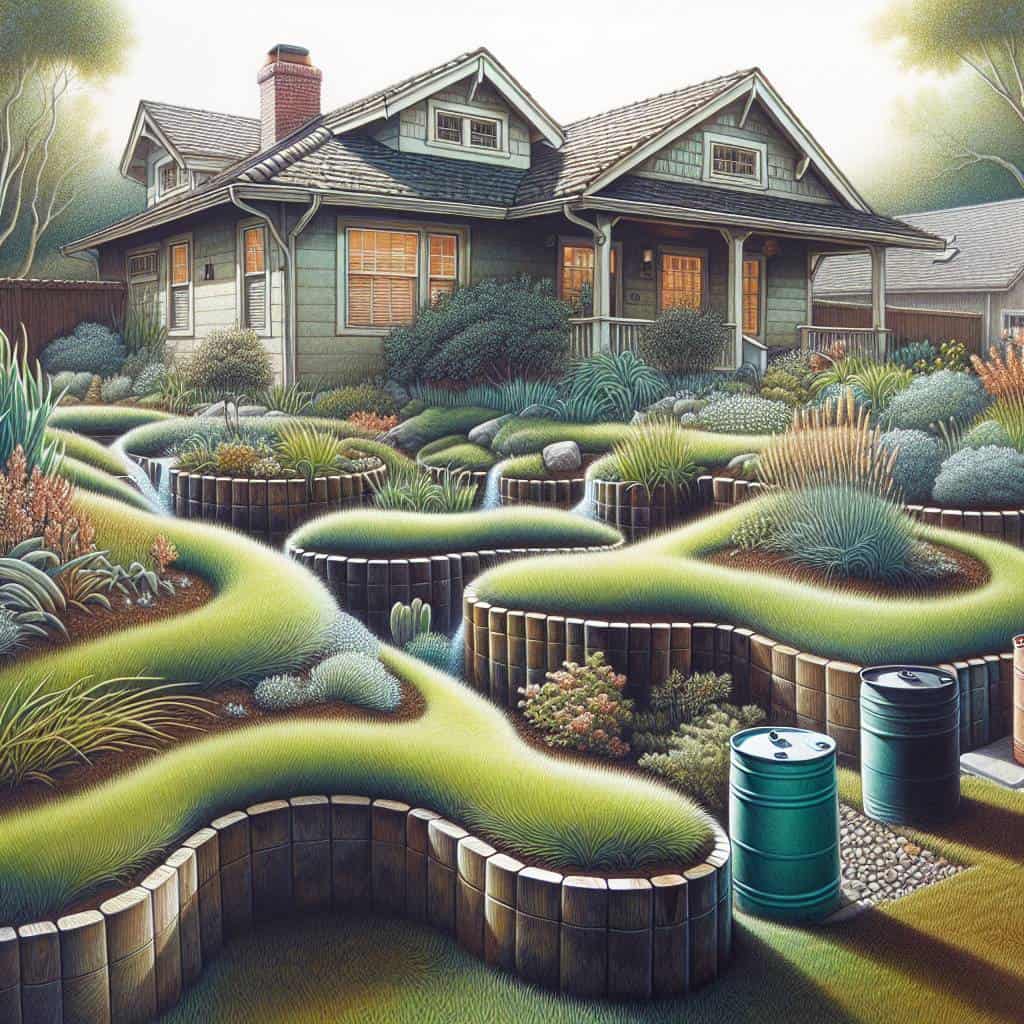
Stick around, and I’ll spill the beans on why managing water on your property isn’t just for the eco-warriors among us. We’ll talk about swales (yes, they’re real), ponds, and why rainwater collection isn’t just for folks wearing hemp sandals. Whether you’re trying to keep your lawn from becoming a swamp or looking to save a few bucks on the water bill, I promise to cut through the jargon and get to the nitty-gritty. No sugarcoating, just the straight talk you need to keep your property dry and your dreams afloat.
Table of Contents
An Introduction to the importance of water management on your property
Let’s cut to the chase: water management on your property isn’t just some fancy term thrown around by environmentalists to sound smart. It’s a real issue. Ignore it, and you might find yourself up the creek without a paddle—quite literally. Imagine this: a heavy rainstorm hits, and that gentle slope in your backyard transforms into a raging river, rushing straight toward your foundation. Swales and ponds aren’t just for aesthetics or attracting wildlife; they’re your first line of defense. Ever tried collecting rainwater? It’s not just about saving a few bucks on your water bill. It’s about having a lifeline when things get dry, or when your municipal supply gets cut off.
Now, let’s talk conservation. It’s not just a buzzword for tree huggers anymore. With the way weather patterns have been acting up, it’s downright pragmatic. You might think rainwater collection is something only folks with too much time on their hands do, but when drought hits, those barrels full of rain will look like liquid gold. And don’t get me started on ponds. They’re not just about creating a picturesque scene for Instagram. They play a crucial role in managing runoff and providing a habitat for critters that keep your local ecosystem in check. So, if you think you can keep pushing water management to the bottom of your to-do list, think again. It’s time to roll up your sleeves and get your hands dirty because, trust me, you’ll thank yourself later.
Key Considerations and Final Thoughts
Alright, folks, let’s get down to brass tacks. When you’re thinking about water management on your property, first, you’ve got to understand that it’s not just about avoiding a soggy lawn or a leaky basement. It’s about creating a system where every drop counts. Swales aren’t just some fancy landscaping term—they’re your frontline soldiers, redirecting water to nourish your land instead of flooding your patio. And don’t even get me started on ponds. They’re not just pretty water features; they’re reservoirs that can save your bacon during a dry spell. Collecting rainwater isn’t just for the eco-warriors—it’s a practical move that can slash your water bill and keep your garden thriving even when the skies are stingy.
Now, let’s talk about the bigger picture. Water conservation isn’t just a nice-to-have; it’s a must-have. If you’re the kind of person who thinks conservation is just a buzzword, imagine a future where turning on the tap is like playing Russian roulette. Investing in solid water management practices today means you’re not just safeguarding your property, you’re investing in the future. So, take a long, hard look at your land. Figure out where the water flows, where it pools, and where it drains. Trust me, it’s the sort of foresight that pays off. In the end, the goal is simple: keep the water where you want it, and keep it out of where you don’t. Because when it comes to water management, a little planning goes a long way. And if you mess this up, well, don’t say I didn’t warn you.
When Water Becomes Wisdom
You might think a rain barrel is just a glorified bucket, but when the drought hits and your garden’s gasping for life, you’ll wish you’d listened to that old farmer with the pond.
When Water Talks, Listen
Water’s been the silent partner in my life for as long as I can remember. Growing up, it was just there—flowing, pooling, sometimes wreaking havoc. But it’s funny how you don’t really notice something until it smacks you upside the head. I learned that the hard way when a freak storm turned my backyard into a marshland. That’s when I realized: water management isn’t just some fancy urbanite jargon. It’s a lifeline.
So, here’s the deal. It’s not just about digging a swale or throwing up a pond. It’s about respect. Paying attention to what the land is telling you and working with it, not against it. Every drop you save or redirect is a step towards sanity—and maybe even survival. So, take it from someone who’s been on the wrong side of a flood: listen to the water. It’s got a lot to say.