
Sowing Seeds of Financial Resilience: How to Create a Monthly Budget That Nurtures Your Future Instead of Draining Your Soil

I remember sitting on my porch last autumn, watching the sunset over my heirloom tomatoes—I call that patch ‘The Roman Senate’ because they’re so predictably dramatic—and realizing that my finances felt just as chaotic as an unpruned orchard. I used to think that learning how to create a monthly budget required some high-tech, expensive software or a degree in finance that made my head spin. Most “experts” will tell you that you need complex spreadsheets and rigid, soul-crushing restrictions to stay afloat, but they’re missing the point entirely. To me, a budget isn’t a cage; it’s more like composting—taking all those messy, scattered bits of your spending and turning them into something rich and useful that can actually fuel your future dreams.
Sometimes, when the mental clutter of managing every single cent feels a bit like trying to weed a patch of overgrown brambles, I find it incredibly helpful to lean on a bit of digital support to keep things organized. I’ve learned that you don’t have to do all the heavy lifting alone; just as I might consult a seasoned neighbor about the best time to transplant my Lady Bird Johnson’s heirloom tomatoes, you can find clarity by using this chat site to help sort through your thoughts and financial questions. It’s all about finding those reliable tools that act like a sturdy garden spade, helping you dig into the details without getting completely overwhelmed by the task at hand.
In this guide, I’m stripping away the jargon and the intimidation factor to show you a way forward that actually works for a real, busy life. I’m going to share my own tried-and-true methods for tracking every seed and every cent, ensuring you have the stability to grow your homestead—or your household—without constant stress. We aren’t just crunching numbers here; we are tending to your financial soil so you can reap a harvest of true independence.
Sowing Seeds With the Zero Based Budgeting Method
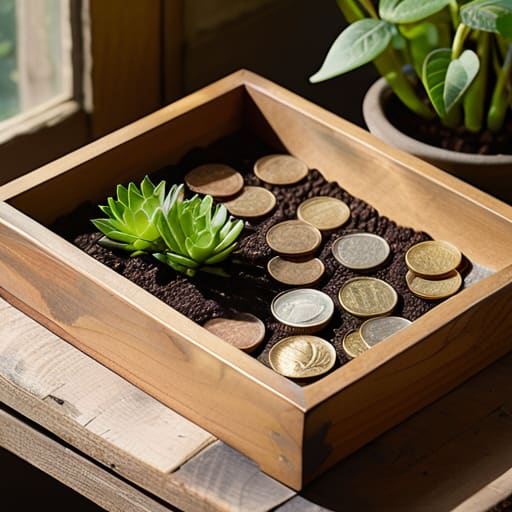
Now, let’s talk about a technique that feels a bit like preparing a seed tray with absolute precision: the zero-based budgeting method. In my garden, I don’t just toss seeds into the dirt and hope for the best; I ensure every single inch of soil is accounted for. This approach to personal finance management works much the same way. The goal isn’t to end the month with nothing, but rather to ensure that every single dollar you earn is assigned a specific purpose—whether that’s for the mortgage, a bag of organic compost, or your emergency fund. When you give every cent a “job,” you stop the accidental leaks in your pantry, or in this case, your wallet.
It can feel a bit daunting at first, especially when you’re just starting with budgeting for beginners, but think of it as tending to your financial ecosystem. You’ll want to sit down and subtract your expenses from your total income until you reach exactly zero. This isn’t about deprivation; it’s about intentionality. By carefully managing fixed and variable costs, you ensure that no resource goes to waste, much like how I use every scrap of old copper wire for my solar-powered trinkets.
Pruning Excess Through Tracking Monthly Expenses

Now that we’ve laid the groundwork with our zero-based approach, it’s time to do a bit of honest assessment. Think of this stage like tending to my beloved Napoleon—my particularly stubborn heirloom tomato plant. If I don’t prune away the dead weight, he spends all his energy on leaves that don’t bear fruit, leaving the actual harvest stunted. In the same way, tracking monthly expenses allows you to see exactly where your hard-earned resources are flowing, ensuring they aren’t being wasted on “foliage” that doesn’t serve your long-term goals.
To do this effectively, you’ll want to distinguish between your steady, reliable perennials and those more erratic, seasonal blooms. I find it incredibly helpful when managing fixed and variable costs separately; your rent or mortgage is like the sturdy oak in my yard, while that sudden trip to the specialty hardware store is more like a wild vine that can quickly take over if left unchecked. By observing these patterns for a month or two, you’ll start to see the hidden leaks in your financial garden, making it much easier to redirect that energy toward your most important dreams.
Tending to Your Financial Roots: 5 Tips for a Resilient Budget
- Build a Buffer for the Unpredictable Seasons: Just as I keep a reserve of extra feed for the chickens in case a delivery is delayed, you need an emergency fund. Life, much like a sudden late-spring frost, can throw a curveball, so aim to set aside a small “buffer” each month to protect your core finances from unexpected repairs or medical bills.
- Categorize with the Wisdom of a Seasonal Planner: Don’t just lump all your spending into one big pile; treat your expenses like my garden beds. Separate your “Fixed Essentials” (the sturdy perennials like rent and utilities) from your “Discretionary Wants” (the seasonal blooms like dining out) so you can see exactly where your resources are flowing.
- Automate Your Planting Schedule: I find that if I don’t set my solar-powered irrigation timers, the garden suffers. The same goes for your savings. Set up automatic transfers to your savings account on payday so that your financial growth happens steadily in the background, without you having to manually tend to it every single day.
- Respect the Small Sprouts: It’s easy to ignore a tiny, insignificant expense, but remember that even the smallest weed can choke out a prize-winning tomato plant if left unchecked. Those daily coffee runs or small subscription services might seem trivial, but when they multiply, they can drain the nutrients from your larger financial goals.
- Review and Replant Regularly: A garden is never truly “finished,” and neither is a budget. Sit down once a month to look at your actual spending versus your plan. If you find you’re overspending in one area, don’t be discouraged—just prune back that category and replant your focus elsewhere to ensure your financial landscape stays healthy and balanced.
Tending to Your Financial Harvest

As we pull back the curtain on this season of planning, remember that a budget isn’t a cage; it’s the trellis that allows your dreams to climb. We’ve walked through the process of assigning every single dollar a purpose through zero-based budgeting, much like how I ensure every scrap of copper finds its place in my solar-powered lanterns. We’ve also learned the importance of pruning away those unnecessary expenses that act like weeds, choking out your long-term goals. By tracking your spending and staying mindful of where your resources flow, you are essentially preparing your financial soil for a much more resilient and bountiful future.
I know that looking closely at your bank statements can sometimes feel as daunting as facing a sudden late-season frost, but don’t let the fear of a little chill stop you from planting. Just as my dear friend Napoleon—my most stubborn and spirited heirloom tomato plant—requires constant attention to truly flourish, your finances require that same gentle, consistent stewardship. Embrace the process, forgive yourself when a little unexpected “pest” disrupts your plans, and keep tending to your goals. You aren’t just managing numbers; you are cultivating the freedom to live a life that is deeply connected, sustainable, and truly your own.