From Garden Bounty to Table Bliss: My Whimsical Guide on How to Host a Dinner Without Stress

I still remember the frantic, flour-dusted chaos of my first real attempt at a seasonal supper. I was trying to follow a recipe that required three different stovetops and a level of precision usually reserved for laboratory experiments, and by the time the guests arrived, I was a sweating, frazzled mess hiding in the pantry. I had completely lost the plot, forgetting that the whole point of a meal is the connection, not the perfection of the plating. If you’ve ever felt like you’re fighting a losing battle against your own kitchen just to learn how to host a dinner without stress, please know that you aren’t alone in that struggle.
I’m not here to sell you on elaborate, expensive centerpieces or complex menus that demand your undivided attention from sunrise to sunset. Instead, I want to share the grounded, practical wisdom I’ve gathered from years of slow living and seasonal cooking. We are going to focus on simple, soulful preparations and mindful planning that allow you to actually sit down and enjoy the company of your kin. My promise to you is a guide built on real-world experience, helping you reclaim the joy of the table without losing your mind to the chaos.
Sowing Intentional Dinner Party Meal Planning Tips
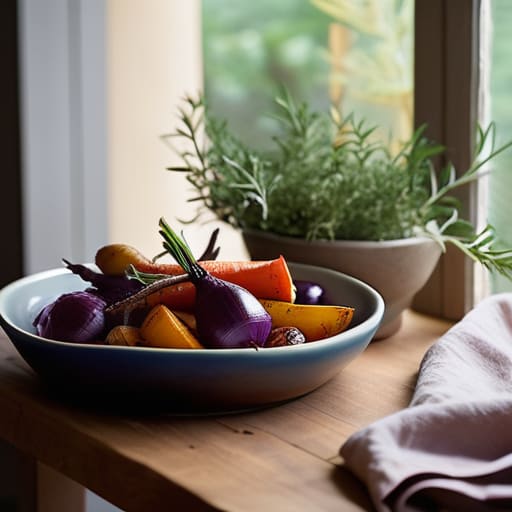
When I first started hosting, I used to treat my kitchen like a high-stakes laboratory, frantic and overwhelmed. Now, I view meal planning much like I view my garden; it’s all about the preparation before the first seed even touches the soil. One of my favorite dinner party meal planning tips is to choose dishes that actually benefit from sitting a while. Much like my dear friend Napoleon—a particularly sturdy heirloom tomato plant in my patch—a slow-roasted vegetable medley or a hearty stew only grows more character with time. By preparing a menu in advance that relies on oven-roasting or slow cooking, you liberate yourself from being tethered to the stove while your guests are still catching up.
I also find that simplicity is the soul of a successful evening. Instead of attempting a five-course spectacle that leaves you trembling in the corner, try focusing on a few high-quality, seasonal ingredients. If you are hosting guests on a budget, lean into the magic of grains, root vegetables, and fresh herbs. It’s not about the complexity of the technique, but the intention behind the flavors. When the menu feels manageable, you can actually sit down and enjoy the warmth of the hearth alongside your loved ones.
Preparing a Menu in Advance Like a Seasoned Gardener
When I’m planning a new garden bed, I never just throw seeds into the dirt and hope for the best; I study the soil, the sun, and the seasons first. Preparing a menu should feel much the same way. Instead of deciding what to cook while your guests are already knocking at the door, I find that preparing a menu in advance allows you to cultivate a sense of calm before the first course is even served. Think of your menu as a delicate ecosystem—you want ingredients that complement one another without requiring you to be tethered to a hot stove all evening. I often look to my pantry and my garden first, choosing dishes that can be prepared ahead of time, much like how I prep my seedling trays weeks before the frost retreats.
By selecting recipes that rely on slow-roasting or cold assembly, you aren’t just cooking; you are mastering the art of presence. There is no need to scramble through a list of complicated steps when you can rely on stress-free entertaining strategies like making a hearty stew or a chilled seasonal salad a day early. This approach ensures that when your friends arrive, you aren’t a frantic chef lost in a cloud of flour, but a relaxed host ready to share a story and a glass of wine.
Cultivating Calm: 5 Ways to Tend to Your Evening Like a Well-Loved Garden
- Set the stage before the sun dips low. Just as I wouldn’t dream of planting my dear Napoleon (my particularly stubborn heirloom tomato) without first prepping the soil, you shouldn’t rush the ambiance. Set your table, polish the glassware, and arrange your linens a day in advance. When the guests arrive, you won’t be wrestling with silverware; you’ll be ready to offer a warm welcome and a cool drink.
- Embrace the magic of “one-pot” wonders. In my environmental consulting days, I learned that complexity often leads to fragility. The same goes for your kitchen. Opt for slow-cooked stews or hearty roasted dishes that simmer away on their own. This allows you to step away from the stove and actually engage with your guests, rather than being tethered to a boiling pot like a prisoner to a plow.
- Delegate with the grace of a seasoned farmhand. If a friend asks, “How can I help?”, don’t shy away with a polite “I’ve got it covered.” Invite them into the process! Perhaps they can help peel the carrots or pour the wine. Sharing the labor isn’t just practical; it’s a way of building community, much like how the local bees and butterflies work in tandem with my garden to ensure a bountiful harvest.
- Curate a soundtrack of gentle rhythms. Silence can sometimes feel heavy, but a chaotic kitchen is even worse. Put on some soft, acoustic melodies or some old folk tunes that remind you of long summer evenings in the valley. A steady, calming auditory backdrop acts like a trellis for your evening, providing a structure that supports the conversation without overwhelming the senses.
- Forgive the imperfections, for nature is rarely symmetrical. If a sauce breaks or a plate is slightly chipped, don’t let it wilt your spirit. Even my most beautiful rosebush, Lady Elizabeth, occasionally loses a petal to a sudden breeze. Your guests aren’t there to critique your culinary precision; they are there to share your warmth and the joy of the meal. Focus on the connection, not the perfection.
Cultivating Connection at the Table
As we bring this little guide to a close, remember that a successful evening isn’t measured by a perfectly polished silver service or a menu that looks like it was plucked from a high-end magazine. It’s about the groundwork you lay before the first guest even knocks. By planning your meals with intention and preparing your ingredients with the same foresight I use when prepping my raised beds for spring, you strip away the frantic energy that so often ruins a good meal. When you manage your time like a seasoned gardener, you aren’t just organizing tasks; you are protecting your own peace, ensuring you have the mental space to actually enjoy the company sitting across from you.
At the end of the day, your dinner party is much like my dear friend Napoleon—my particularly stubborn heirloom tomato plant—who thrives best when given the right environment and a bit of steady care. Don’t let the pursuit of perfection wilt your spirit. Instead, embrace the beautiful, messy reality of living well. Whether a sauce splashes or a conversation wanders into a long, delightful tangent, let it happen. The true magic lies in the shared warmth of the hearth and the resilience of a community built around a table. Go forth, sow those seeds of hospitality, and remember that the most important ingredient is your own presence.
Once you’ve mapped out your menu, the next step is ensuring the atmosphere feels as effortless as a summer breeze through the clover. I often find that the secret to a truly relaxed evening isn’t just in the food, but in the rhythm of the gathering itself. Just as I tend to my dear Napoleon—my particularly stubborn heirloom tomato plant—I like to prepare for my guests by curating a sense of ease before they even step through the door. If you’re looking for some lovely inspiration on how to cultivate those warm, unhurried moments of connection, I’ve found that exploring the ideas over at casual encounters illinois can offer some wonderful perspectives on making every interaction feel truly meaningful. It’s all about creating a space where your friends feel less like formal visitors and more like old souls returning to a familiar hearth.