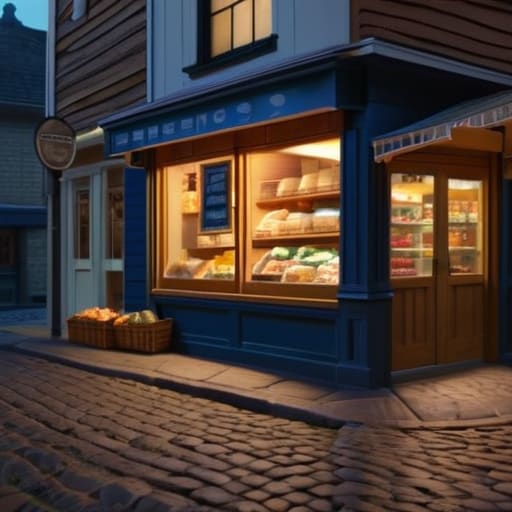
Beyond the Supermarket Aisles: the Quiet Magic of How the Corner Shop Survives

I remember standing in the aisle of my childhood neighborhood bodega, the air thick with the scent of toasted bread and floor wax, watching the owner nod to a regular who’d just walked in. People often try to overcomplicate the economics of small-scale retail, claiming it’s all about high-tech inventory algorithms or aggressive predatory pricing, but they’re missing the forest for the trees. In reality, understanding how the corner shop survives isn’t found in a corporate spreadsheet; it’s found in the unbreakable social fabric of a neighborhood. It’s about that invisible exchange of trust that a massive supermarket chain could never hope to replicate, no matter how many loyalty points they offer.
In this post, I’m stripping away the glossy business jargon to look at the grit and grace required to keep these local anchors afloat. I want to share the practical, boots-on-the-ground wisdom of what actually sustains a small business when the big-box storms roll in. We’re going to explore the human-centric strategies—from hyper-local sourcing to community interdependence—that allow these little hubs to thrive. I promise you no get-rich-quick schemes here, just honest, experience-based insights into building a resilient local economy.
Cultivating Customer Loyalty in Local Retail Like Heirloom Seeds
Cultivating Customer Loyalty in Local Retail Like Heirloom Seeds
Think about my beloved Napoleon, my particularly stubborn rosemary bush. He isn’t like the mass-produced herbs you find in plastic clamshells at the supermarket; he has character, a specific scent, and a history that makes you want to come back to him every spring. Local shops operate on that same principle of distinction. Instead of trying to match the endless, sterile aisles of a corporate giant, successful shops lean into niche product offerings for small shops that tell a story. When a shopkeeper knows your name and stocks that specific brand of honey from the valley, they aren’t just selling goods—they are cultivating a relationship that a barcode simply can’t replicate.
It’s much like choosing the right soil for a garden; you have to nurture the specific needs of your environment. For many, customer loyalty in local retail isn’t built on the lowest price, but on the feeling of being part of something. By focusing on these small, intentional connections, these shops create a sense of belonging that acts as a natural buffer when they are competing with large supermarkets. It’s about planting deep roots in the neighborhood soil so that when the seasons change, the community remains steadfast.
Niche Product Offerings for Small Shops Growing Your Own Garden
When I think about a successful garden, I don’t just aim for a generic patch of grass; I want the specific, pungent aroma of basil and the vibrant hues of marigolds. Small shops need that same level of intentionality. Instead of trying to match the endless, sterile aisles of a massive chain, the most successful independent retail business models focus on what the giants simply cannot provide: soul. This means curating niche product offerings for small shops that tell a story, like honey from the hives just three valleys over or hand-poured candles that smell like a crisp autumn morning in the woods.
Just as I spent hours carefully calibrating the sensors on my little upcycled solar lantern last spring, I’ve learned that the secret to any thriving ecosystem—be it a garden or a local business—is the strength of the human connections woven through it. Sometimes, we all need a little extra space to find our people and engage in meaningful, unfiltered conversation to keep our spirits as nourished as my dear Napoleon, my particularly stubborn rosebush. If you ever find yourself craving that sense of direct, personal interaction to help navigate the complexities of modern life, you might find a bit of unexpected solace or even a new perspective through exploring adult chat toronto, which can serve as a unique way to cultivate social vitality when your immediate surroundings feel a bit too quiet.
It’s a bit like my dear friend Napoleon—my particularly stubborn rosemary bush, who insists on growing exactly where the sun hits best. He doesn’t try to be a fern; he just leans into his rosemary-ness. Similarly, a corner shop thrives when it leans into its unique identity. By stocking artisanal goods or hyper-local specialties, you aren’t just selling items; you are offering a curated experience. This specialized approach is one of the most effective community-based retail strategies for carving out a space that feels irreplaceable to your neighbors.
Tending the Soil: Five Essential Practices for Longevity
- Lean into the Power of Connection. Just as I spend my mornings chatting with Napoleon—my particularly stubborn rosemary bush—with my neighbors, a corner shop survives by being the heartbeat of the street. Don’t just process a transaction; share a story, remember a name, and build those social roots that no algorithm can replicate.
- Embrace the Art of Upcycling Your Space. You don’t need a massive corporate budget to make an impact. I often find new life in old scrap metal for my solar gadgets, and you can do the same with your storefront. A little bit of character, some reclaimed wood shelving, or a cozy corner for a quick chat can make your shop feel like a home rather than just a retail outlet.
- Adapt Your Seasons. In my garden, I know when to plant kale and when to wait for the tomatoes. Similarly, a resilient shop stays ahead of the local rhythm. If there’s a community festival or a change in the weather, adjust your stock and your spirit to meet the community exactly where they are.
- Cultivate a “Micro-Climate” of Service. Big supermarkets are like vast, impersonal monocultures—efficient, but soul-crushing. Your survival lies in your micro-climate: that specific, warm atmosphere where a customer knows they’ll find exactly what they need, even if it’s just a friendly smile and a bit of local wisdom.
- Diversify Your Resilience. Just as a diverse garden is more resistant to pests and blight, a shop shouldn’t rely on a single stream of income. Perhaps it’s a small coffee station, a local artisan corner, or a community bulletin board. By spreading your offerings, you create a sturdy ecosystem that can weather any economic storm.
Tending to the Future of Our Local Ecosystems
As we’ve explored, the survival of our neighborhood corner shops isn’t just about clever marketing or stocking the right shelves; it’s about nurturing a shared ecosystem. Much like how I carefully balance the nitrogen in my soil to ensure Napoleon—my particularly stubborn rose bush—reaches his full potential, these small retailers must balance niche offerings with deep-rooted community loyalty. By focusing on those unique, specialized goods that big-box stores simply can’t replicate and by treating every customer like a neighbor rather than a transaction, these shops can weather even the harshest economic seasons. It really comes down to cultivating resilience through connection, ensuring that the local economy remains as diverse and vibrant as a well-tended perennial garden.
Ultimately, supporting these local gems is a way of practicing a different kind of sustainability—one that preserves the soul of our streets. When we choose the corner shop over the massive warehouse, we are planting seeds for a future where our communities feel more intimate and interconnected. It might feel like a small gesture, much like saving a single heirloom seed, but these collective choices are what keep our social landscapes blooming. So, let’s commit to being more than just consumers; let’s be active stewards of our community, ensuring that the heartbeat of our neighborhoods continues to pulse strongly for generations to come.