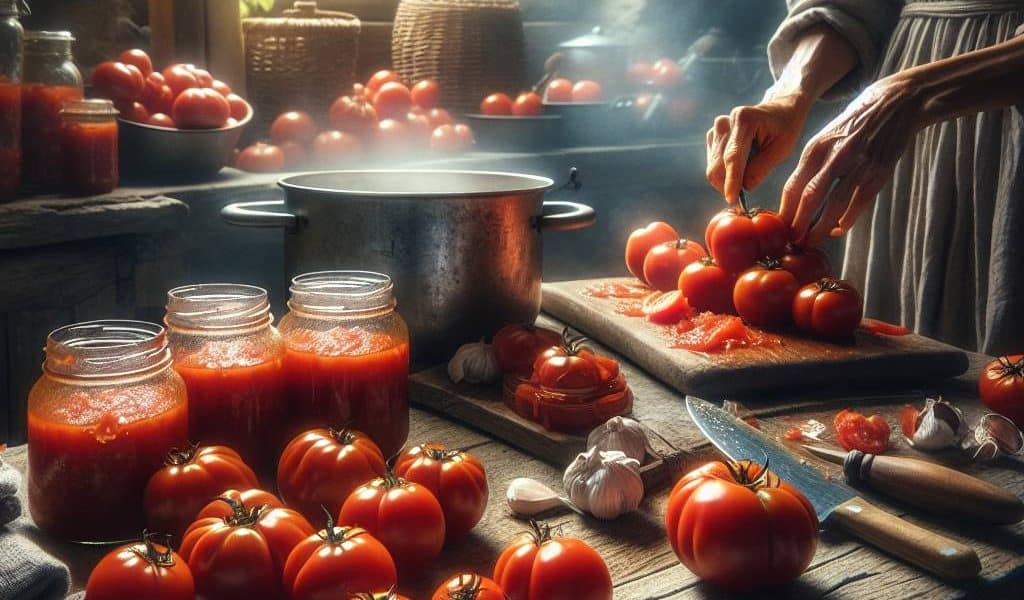

I’ve spent more hours than I’d like to admit in a kitchen, staring down a pile of tomatoes as if they were some divine test of endurance. You know the drill—each one daring me to preserve its plump, red flesh before it turns into a soupy mess. Let’s cut through the romantic nonsense: preserving tomatoes is not some idyllic pastime. It’s a desperate race against rot, a wrestling match with nature’s clock. And if you’ve ever found yourself knee-deep in tomato guts, wondering if there’s a better way, well, you’re in good company.
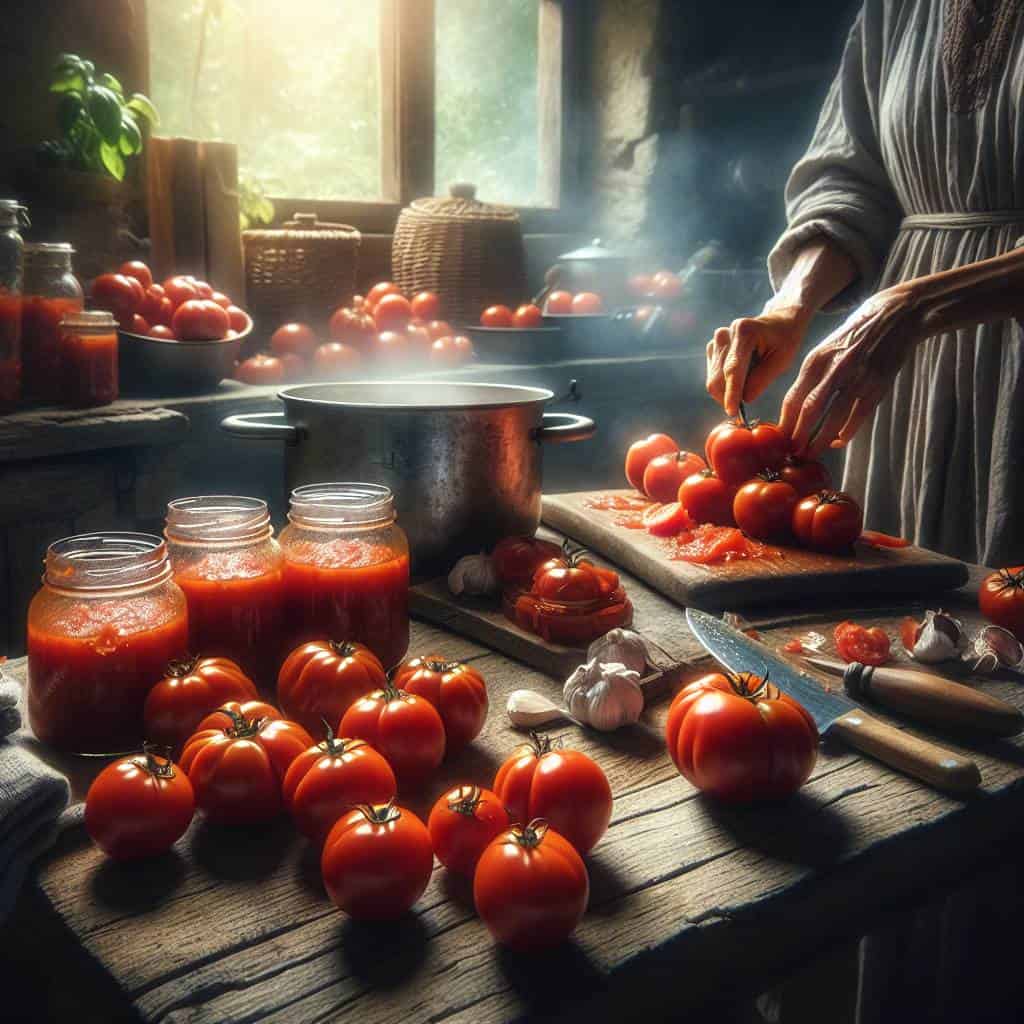
So, here’s the deal: we’re diving into the gritty reality of tomato preservation. I’ll spill the beans—or rather, the seeds—on methods that actually work, from canning to sun-drying, even concocting a decent sauce that doesn’t taste like sadness in a jar. Forget the fluff and the picture-perfect Pinterest dreams; this is about what really happens when you roll up your sleeves and get to work. Stick with me, and we’ll navigate this tomato apocalypse together.
Table of Contents
An Introduction to the best ways to preserve tomatoes
Preserving tomatoes isn’t just about keeping summer alive in a jar. It’s a gritty, often messy dance with nature’s clock, trying to outsmart the rot gods. I’ve spent more time than I care to admit in the kitchen, wrists deep in tomato guts, battling the inevitable march towards decay. And let me tell you, this isn’t some Pinterest-perfect project. It’s about practicality and the honest satisfaction of knowing exactly what’s in your pantry. Canning is the old-school warrior in this fight, a process where you seal those juicy gems in jars, locking in their essence. It’s labor-intensive, sure, but there’s something profoundly rewarding about hearing that satisfying ‘pop’ of a successfully sealed jar. Whole tomatoes, packed and preserved, are like a time capsule of summer’s sunniest days, ready to burst open when winter’s chill sets in.
But maybe canning isn’t your style, and that’s okay. I’ve been there, staring at the mountain of tomatoes on my kitchen counter, wondering if it’s worth the effort. Enter sun-drying—nature’s gift to the impatient. You toss those tomato slices in some salt, lay them out under the sun, and let nature do the heavy lifting. It’s like alchemy, turning simple fruit into something rich and concentrated. Or maybe you’re feeling a bit more adventurous, and you decide to whip up a batch of tomato sauce. This is where you get to play, throwing in herbs, garlic, maybe a splash of wine. It’s not just about preservation; it’s about creating a base for countless recipes, a canvas for whatever you’re cooking up next. So, roll up your sleeves and pick your battle. The tomatoes are waiting.
Key Considerations and Final Thoughts
Here’s the thing about preserving tomatoes: it’s not just a culinary chore; it’s a gritty dance with Mother Nature’s ticking clock. I mean, tomatoes are like rebellious teenagers—one minute they’re full of life and potential, and the next, they’re squishy messes of unfulfilled dreams. So, when you’re staring down a basket of ripe, red beauties, the key consideration should be matching the preservation method to your lifestyle and patience threshold. Canning whole tomatoes demands precision and the patience of a saint (or at least, a decent afternoon), while sun-drying requires a level of foresight and solar cooperation that makes planning a picnic seem simple. And let’s not overlook the humble sauce—an art form in itself. Each method has its merits, but the real question is how much effort you’re willing to invest in this tomato-saving saga.
Now, for the grand finale of thoughts. Preserving tomatoes is more than just a means to an end; it’s a testament to our attempts at defying nature’s timeline. Sure, you could let them rot on the vine, but where’s the satisfaction in that? There’s something profoundly human about bottling up summer’s essence to be savored on a bleak winter day. It’s a quiet rebellion against the seasons, a stubborn refusal to let the sun-soaked days slip away unnoticed. So, whether you find solace in the rhythmic ritual of canning or the lazy charm of sun-drying, remember this: you’re not just preserving tomatoes; you’re preserving a little slice of hope and defiance. And that, my friends, is worth all the effort.
Tomato Time Travel: An Honest Preservation
Canning tomatoes is less about capturing their summer glory and more about bottling up a piece of fleeting warmth to fend off the cold, indifferent months ahead.
Tomato Preservation: A Battle Worth Fighting
In the end, preserving tomatoes feels like a rebellion against the inevitable. It’s a defiance of time itself, captured in jars and the sun-kissed skins of dried slices. As I stood there, kitchen counter cluttered with jars and the aroma of simmering sauce thick in the air, I realized that each method—whether it’s canning, drying, or transforming them into a rich sauce—has its own rhythm, its own story. There’s a sort of poetry in this process, albeit one that’s a bit discordant and messy, much like life.
Yet, there’s satisfaction in knowing these little acts of defiance offer a taste of summer long after the vines have withered. Each jar or dried piece is a testament to the stubbornness of the human spirit. And perhaps that’s why I keep doing it. Not because it’s easy or quick, but because it connects me to something real—a tangible reminder that some battles, like preserving tomatoes, are worth the fight. In this simple act, there’s a quiet victory against the ticking clock, a nod to the relentless cycle of growth and decay. So, here’s to the noble, messy journey of keeping those tomatoes alive just a little bit longer.