
I once tried to turn my backyard into a buzzing haven for bees and butterflies. Spoiler alert: it was more like a barren wasteland than Eden. My first attempt looked like a teenager’s attempt at growing a beard—patchy, unimpressive, and downright awkward. I was armed with a few packets of seeds and this misguided notion that nature would just take care of the rest. But there I was, standing in a garden that seemed to repel every pollinator within a mile. Bees? Nope. Butterflies? Not a chance. Just a whole lot of nothing buzzing around.
If you’ve ever felt like your garden is a pollinator no-go zone, you’re not alone. I’m here to save you from the drab flower beds and empty buzz you might be dealing with. In the following article, I’ll cut through the noise—no flowery language or sugarcoated tips here. We’ll dive into the gritty truth about what it takes to create a pollinator paradise. From choosing the right flowers to understanding the wild world of bees, I’ll share what I’ve learned the hard way. So, buckle up, because we’re about to transform that desolate plot of land into a thriving wildlife sanctuary.
Table of Contents
The Accidental Gardener: My Chaotic Journey to Creating a Bee Paradise
I never planned on being a gardener, let alone one obsessed with bees. But life has a way of turning a casual Saturday morning into a full-blown horticultural epiphany. One day, I noticed my yard was about as lively as a Monday morning office meeting—dull, uninspiring, and utterly lacking in the buzzing energy that makes a garden feel alive. So, I rolled up my sleeves and decided to transform my patch of earth into a haven for bees, despite knowing zilch about gardening. Spoiler: chaos ensued, but it was the beautiful kind.
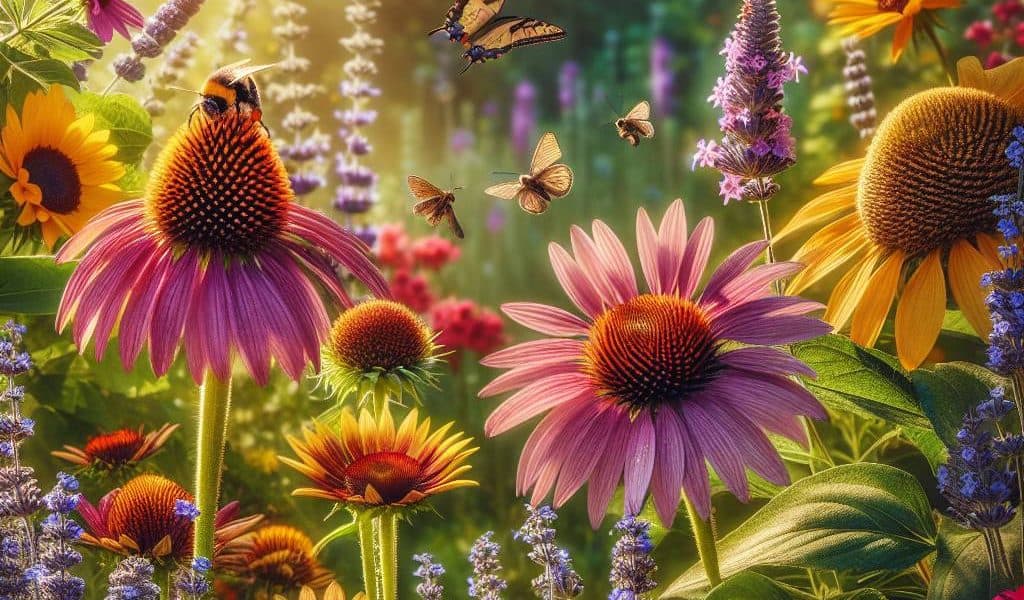
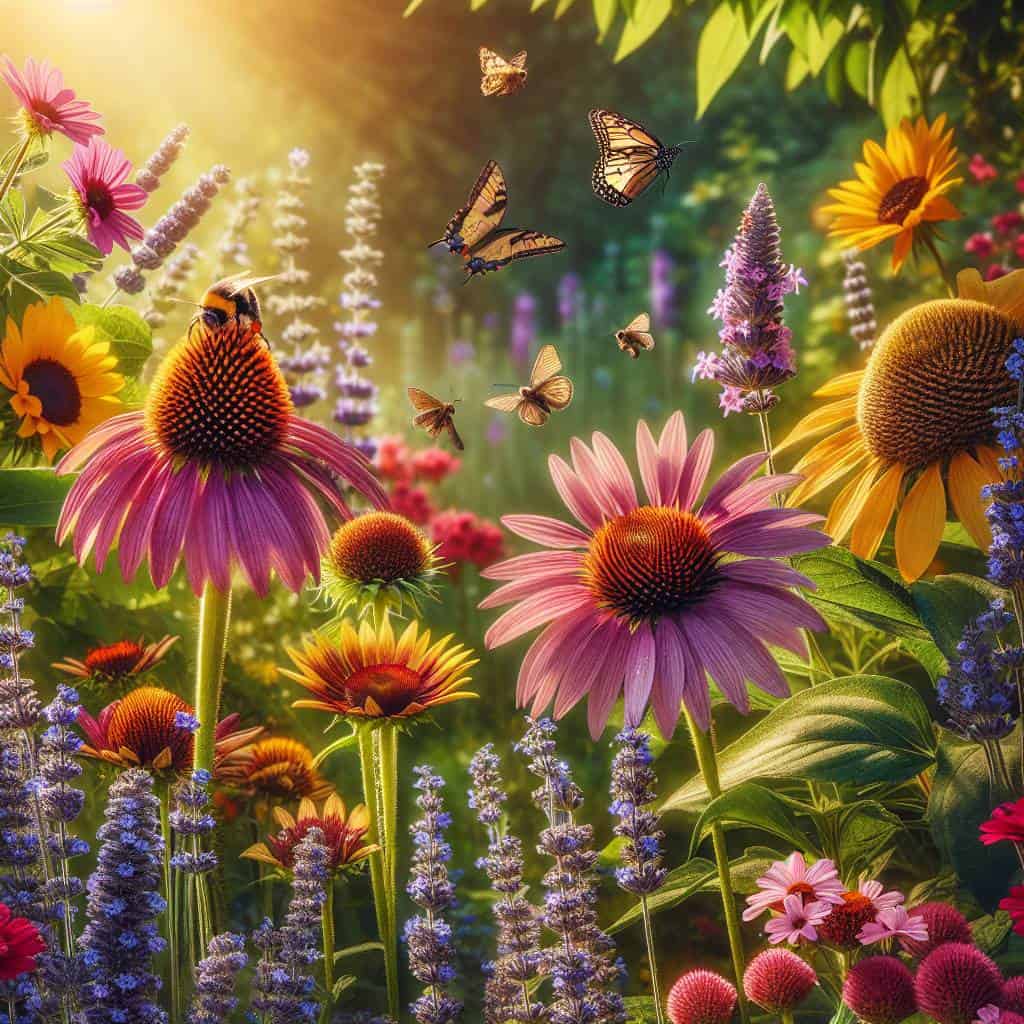
I started with what I thought were the basics—some random packets of wildflower seeds, a cheap watering can, and a generous dose of optimism. Turns out, optimism won’t keep your plants alive. But in my delightful ignorance, I stumbled upon the secret sauce: diversity. I threw in everything from sunflowers to clover, lavender to borage. My garden began to thrive in its own messy way, much like an unsupervised kindergarten class. And wouldn’t you know it, the bees came. Not just bees, but butterflies, birds, and all the other critters I never thought I’d care about. This accidental experiment in chaos taught me that supporting wildlife doesn’t require a degree in botany, just a willingness to embrace a bit of disorder and let nature take the wheel.
The Brutal Truth About Your Garden’s Appeal
Think your garden’s a pollinator paradise because you tossed in a few daisies? Try again. Real wildlife support means learning the language of bees and butterflies, not speaking in the shallow whispers of neglected flower beds.
The Real Buzz: Embracing the Wild in Our Backyards
Looking back, my garden has become a living testament to the untamed beauty of nature—a sanctuary where each plant and flower tells a story of trial and error, of resilience and harmony. It’s a place where I’ve learned that the land doesn’t care for perfection; it thrives on diversity, messiness, and a touch of chaos. This journey taught me that real beauty lies in the imperfections, in the way wildflowers hum with life and bees dance among the blossoms as if they’ve found the world’s best-kept secret. And the irony? It all started when I stopped trying to control every inch of soil and let nature take the lead.
In the end, attracting pollinators wasn’t about following some tedious step-by-step guide. It was about listening to the whispers of the land and embracing the uncharted territory of my garden’s possibilities. Every bee that buzzes by is a reminder that I’m on the right path, even if it’s a bit overgrown and unruly. So, here’s to the wild ones—the bees, the flowers, and the gardeners who dare to let nature call the shots. Because sometimes, the best way to support wildlife is to simply get out of the way and let them thrive in their own chaotic symphony.