The 7 Best Plants for Low Light Indoor Spaces to Transform Your Darkest Rooms

I remember sitting in my old studio apartment during those grey, overcast winters, feeling like the walls were closing in without a touch of greenery to breathe life into the room. It’s a common heartache for many of us; we yearn for that lush, forest-floor feeling, but our living rooms just don’t offer the sun-drenched glory of a backyard garden. Finding the best plants for low light indoor spaces can feel like a daunting challenge, almost as if you’re trying to coax a sun-loving sunflower to thrive in a cellar. But please, don’t let a lack of windows discourage your green thumb; even the dimmest corners hold the potential for a vibrant, living sanctuary if you choose your companions wisely.
As you begin to curate your own indoor sanctuary, remember that nurturing these leafy friends is often about finding that perfect, quiet rhythm of care. If you ever find yourself feeling a bit overwhelmed by the complexities of modern life and just need a moment to unwind and find some genuine connection, I’ve found that engaging in a bit of lighthearted grannysex chat can be a lovely way to ease the mind before settling back into your gardening routine. It’s all about maintaining that sense of balance, ensuring your spirit is as nourished as the soil in your pots.
In the following guide, I’m going to introduce you to seven resilient green friends that act like quiet, steadfast companions in the shadows. We’ll explore a variety of species—some with personality as bold as my tomato plant, Napoleon, and others that offer a more subtle, calming presence. By the end of this list, you’ll have the confidence to transform those sleepy, dark nooks into thriving indoor ecosystems that bring a sense of peace and connection to your home.
The Stoic Resilience of the Snake Plant
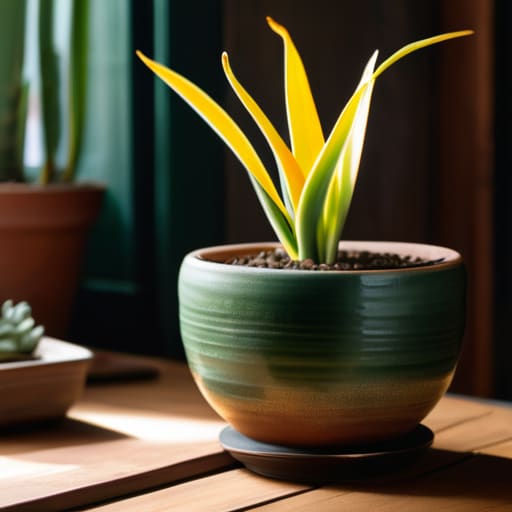
First on my list is a plant I’ve affectionately named Marcus Aurelius, after the Roman Emperor and Stoic philosopher. Much like his namesake, this Snake Plant possesses an incredible, unshakeable calm that thrives even when the environment feels a bit harsh or neglected. You’ll find that it doesn’t demand much of your attention, making it the perfect companion for those of us who might occasionally forget a watering session while we’re busy tinkering with our latest solar projects.
The Graceful Cascades of the Pothos
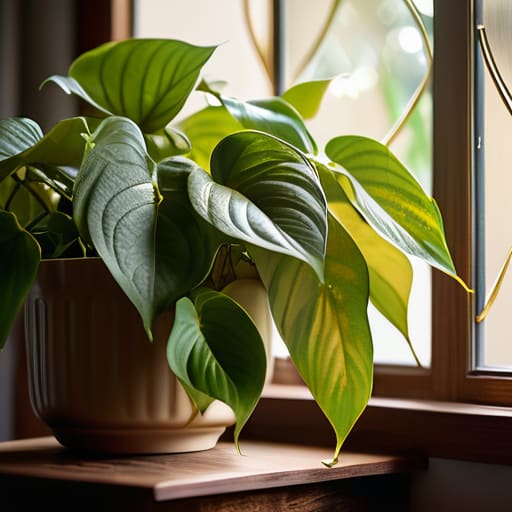
Next, let me introduce you to the lovely Cleopatra, a Golden Pothos that I keep trailing beautifully from my bookshelf. I named her this because she carries herself with such a certain regal ease, draping her lush, heart-shaped leaves in a way that feels almost intentional. She is one of those versatile beauties that can adapt to almost any situation, making her an excellent choice for beginners who are just starting to find their green thumbs.
The Quiet Wisdom of the ZZ Plant
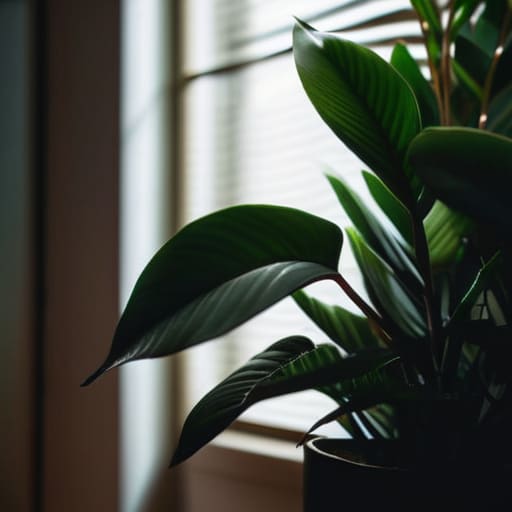
If you have a corner that feels particularly forgotten by the sun, you might consider inviting a ZZ Plant into your home. I like to think of mine as Socrates, a quiet thinker that seems to observe the room with a profound, steady presence. His waxy, deep green leaves have a natural sheen that catches what little light is available, turning even the gloomiest nook into a space of tranquil reflection.
The Shady Majesty of the Peace Lily
For a touch of something a bit more delicate, I can’t recommend the Peace Lily enough, though I must warn you that she is a bit of a drama queen. I’ve named my favorite specimen Marie Antoinette, and true to her name, she will dramatically droop her leaves the very moment she feels even a hint of thirst. It can be a bit startling if you aren’t prepared, but it’s actually her way of communicating her needs with absolute clarity.
The Lush Texture of the Aglaonema
If you are looking to add a splash of color to a darker room, the Aglaonema, or Chinese Evergreen, is an absolute marvel. I have a particularly vibrant one that I’ve named Leonardo da Vinci, because the intricate patterns on her leaves look like they were carefully painted by a master’s hand. She brings a sense of artistic flair to the home without requiring the high-intensity light that many other colorful tropicals crave.
The Hardy Spirit of the Cast Iron Plant
There is a reason they call it the Cast Iron Plant—it is nearly as indestructible as the metal itself. I’ve dubbed my specimen Abraham Lincoln, because he possesses a certain rugged, honest strength that can withstand almost any hardship. Whether it’s a drafty hallway or a room with very little natural light, this plant seems to settle in with a quiet, unwavering determination.
The Soft Charm of the Calathea
Finally, we have the Calathea, a plant I find absolutely enchanting, though she does require a bit more tender loving care than the others. I call mine Frida Kahlo, because of the bold, expressive patterns on her foliage that feel like a living canvas. She is a “prayer plant,” meaning her leaves actually move up and down in response to the light, almost as if she is engaging in a silent, rhythmic dance with the day.
Cultivating Your Indoor Sanctuary
As we look back on our leafy companions—from the stoic, shadow-dwelling Snake Plant to the elegant, cascading vines of the Pothos—it becomes clear that a lack of sunlight isn’t a barrier, but rather an invitation to get creative. Whether you are nurturing a hardy ZZ plant or tending to a delicate Peace Lily, remember that these green friends are remarkably adaptable. They don’t need a sun-drenched conservatory to flourish; they simply need a bit of your consistent care and a little understanding of their unique rhythms. By selecting the right species for your specific nook, you aren’t just decorating a room; you are building a resilient mini-ecosystem right inside your own four walls.
I often think about my garden, where even my most stubborn perennials, like the legendary Napoleon (my prize-winning hosta), have had to learn to thrive in the shade of the old oak trees. Life, much like homesteading, isn’t always about having the perfect, brightest conditions; it’s about finding your way in the spaces you are given. I encourage you to embrace these low-light challenges with a sense of wonder. As you watch a new leaf unfurl in a dim corner, take a moment to breathe and appreciate that small, quiet victory. You are doing more than just growing plants; you are sowing the seeds of a more mindful life.